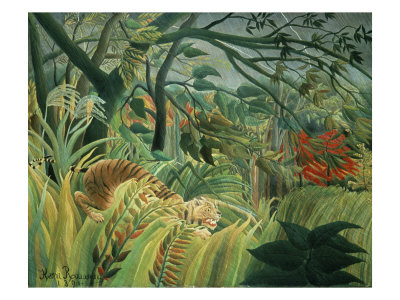
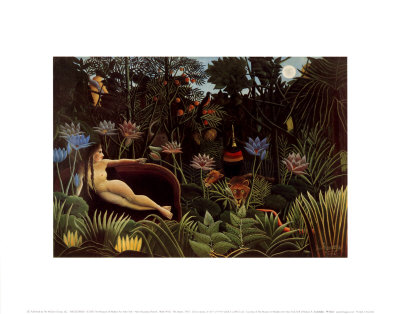
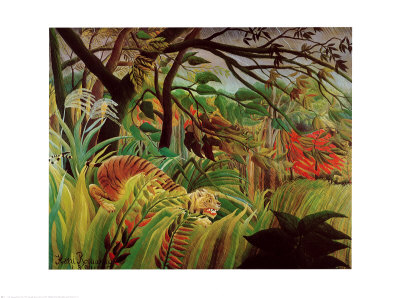
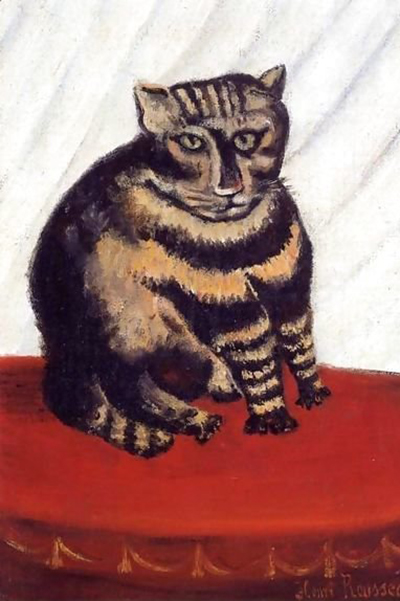
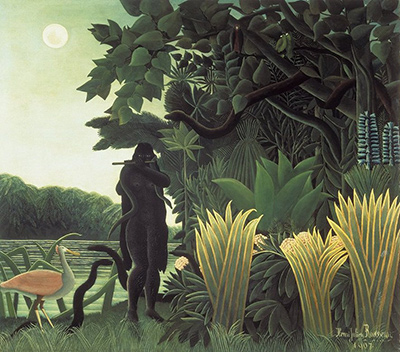
Henri Rousseau, the enigmatic painter who famously confessed to a lifetime of dreaming while working, offers a profound lesson on the relationship between time and creation. Even with only fifteen minutes allocated for his masterpiece, one can still cultivate the distinctive, dreamlike quality of naive art. This approach does not demand hours of labor but rather a focused, rhythmic engagement with the canvas that mirrors the spontaneous bursts of imagination Rousseau himself embodied.
Embracing the Fragmented Mindset
The first step in adapting to a fifteen-minute limit is to completely abandon the anxiety of finishing a perfect piece. Many artists feel that short sessions are merely for sketching outlines or practicing techniques, yet this mindset stifles the very freedom that defines naive art. Instead, view the fifteen minutes as a dedicated space for pure expression where the finished result is secondary to the immediate feeling of the brushstroke.
When you commit to this brief window, you enter a state of flow similar to Rousseau's famous "dreaming" period. In this state, you do not worry about correcting mistakes or adhering to academic rules of perspective. You simply listen to what your hand wants to do, just as he did when he sat in his garden watching the birds. The goal shifts from producing a gallery-worthy oil painting to capturing a fleeting moment of light, color, or emotion that exists only in that specific timeframe.
Redefining the Canvas and Materials
To maximize efficiency, you must rethink the tools you use during these short bursts. Large canvases often feel intimidating and require too much setup time, breaking the flow of your fifteen minutes. Instead, consider using smaller panels, sketchbooks, or even a single large sheet of paper. These surfaces allow you to begin immediately without the ritual of stretching or priming the cloth.
Furthermore, the medium you choose plays a critical role in speed. Oil paint can be slow to dry and requires patience for blending, which may not fit a rapid workflow. Acrylics, gouache, or even charcoal and pastel on rough paper offer much faster drying times and immediate visible results. Rousseau himself worked in oils, but his ability to work quickly came from his unique technique of thick, impasto application that didn't require layering. By adopting materials that respond instantly to your touch, you ensure that every second of your time is spent creating, not waiting.
The Power of Repetition and Routine
Consistency is the true secret of the painter who works in short bursts. If you can dedicate exactly fifteen minutes every morning, the act of painting becomes as automatic as brushing your teeth. Over weeks and months, these small, frequent sessions accumulate into a significant body of work that demonstrates growth and evolution. This routine builds muscle memory in your hand and sharpens your artistic intuition, allowing you to make decisions faster and more confidently with each passing day.
Think of your fifteen minutes not as a punishment for lack of time, but as a celebration of your daily life. It is a way to keep your creative spirit alive amidst the chaos of daily responsibilities. By treating this time as sacred, you protect your inspiration from the distractions of the modern world. Just as Rousseau would have appreciated, the repetition of the daily act helps you find a rhythm that is distinct from the frantic pace of the outside world.
Capturing the Essence of Naive Style
When time is scarce, you must focus on the essential elements of naive art rather than technical perfection. The hallmark of this style is often a slightly naive interpretation of reality, characterized by bold outlines, vibrant, unmixed colors, and a composition that feels constructed rather than observed. In your fifteen minutes, skip the detailed shading and focus instead on capturing the "spirit" of the subject.
You can achieve this by using limited palettes and simple shapes. A tree might be represented by a single curved line and a splash of green, rather than a meticulously detailed tree with every leaf rendered. This abstraction forces you to see the underlying structure of the world and simplifies the decision-making process. By focusing on the emotional impact of the colors and the rhythm of the lines, you can create a piece that feels complete and resonant, even if the details are simplified.
Practical Strategies for the Limited Session
To truly optimize your fifteen minutes, you can adopt a strict workflow that eliminates wasted motion. Start by sketching a rough composition in pencil or ink to establish the placement of your subject. Then, immediately move to the paint, focusing on one or two dominant colors to set the mood. Apply your paint quickly and liberally, building up the texture before it dries. Finally, spend the last two minutes making any necessary adjustments or adding finishing touches.
Here is a streamlined approach to ensure you stay within the time limit:
- Clear your workspace and gather your specific materials for that session.
- Sketch a very loose outline of your subject in under two minutes.
- Mix your primary palette of three to four colors based on the mood you want to create.
- Apply paint immediately, focusing on the main shapes and areas of color.
- Review your work and add final details or corrections in the final two minutes.
- Step back and appreciate the piece you have created in the allotted time.
By following this structured yet flexible method, you ensure that your time is spent actively making art rather than organizing your studio. The key is to let go of the pressure to create a masterpiece in one go. Instead, embrace the joy of creation and the unique beauty that comes from working under pressure. In the end, the value of your art lies not in the hours spent behind the canvas, but in the passion and creativity you bring to every moment you have.
Related reading
- The Digital Brush: Reimagining the Dream World of Rousseau
- The Child in the Jungle: Cultivating the Spirit of Naïve Art
- Finding Your Own Wild Garden: A Guide to Choosing Subjects in Naïve Art
- The Artist's Canvas: Unveiling the Essentials of Naïve Creation
- Unlocking the Surreal Garden: A Guide to Finding Historical Naïve Art for Inspiration