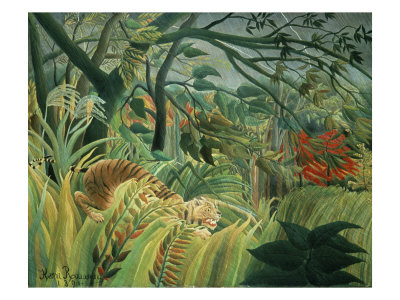
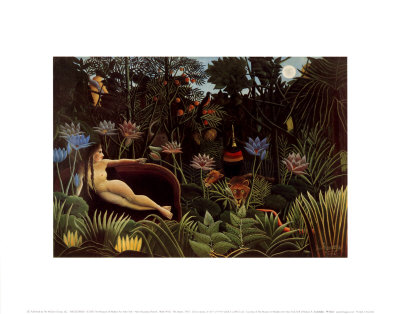
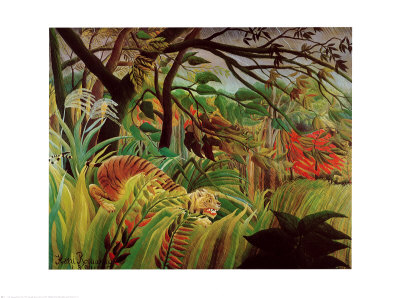
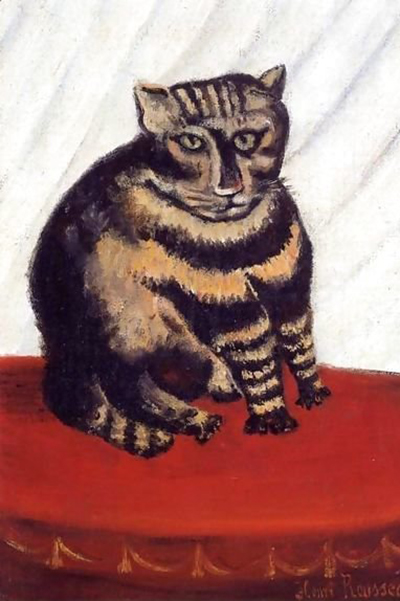
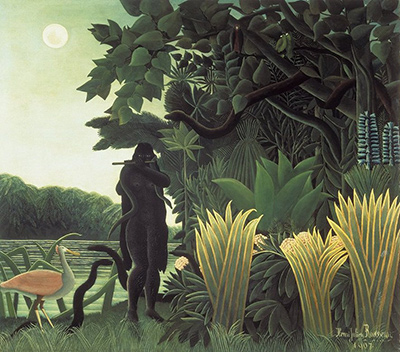
Henri Rousseau, the French painter famous for his "naïve" style, was a man who believed in painting the way he saw the world, unburdened by the rigid academic rules of his time. His unique ability to capture exotic jungles and nocturnal scenes with a fresh, dreamlike quality offers endless opportunities for modern artists seeking to break free from convention. Instead of simply copying his work, you can draw profound inspiration from the underlying philosophy of historical naïve art to develop your own distinctive voice.
Understanding the Naïve Mindset
To find true inspiration, one must first understand that the "naïve" label often implies an uninhibited perspective rather than a lack of skill. These artists operated from a place of pure observation, recording moments as they happened without the filter of artistic theory. When searching for historical examples, look for works that prioritize emotion and immediate reaction over technical perfection. The goal is not to replicate the brushstrokes of Rousseau but to adopt his fearless approach to composition and color. By immersing yourself in the spirit of these artists, you can discover how to capture the essence of a subject rather than just its physical appearance.
Where to Locate Historical Collections
Finding the right resources requires knowing where these works are preserved and displayed. Many museums and galleries around the world maintain extensive collections dedicated to the Art Naïf movement, serving as invaluable repositories for study. Libraries often hold comprehensive anthologies featuring primary works alongside critical analyses that explain the context of the era. Online digital archives are particularly useful for those who can only visit physical locations occasionally, offering high-resolution scans that allow for close examination of techniques. To begin your journey, consider visiting local cultural centers or searching for specific museum collections that focus on French Impressionism and its offshoots.
Diving Into Primary Sources and Analysis
Once you have identified a location or resource, the key is to engage deeply with the material rather than treating it as a visual reference sheet. When examining a piece, ask yourself what the artist was trying to convey at that specific moment in time. Pay attention to how the light interacts with the foliage, how the figures are positioned within the landscape, and how color is used to establish mood. Many institutions provide educational workshops or guided tours specifically designed to teach visitors how to interpret these works critically. Utilizing these opportunities can help you deconstruct the artwork and understand the thought process behind the creation, which is far more valuable than trying to mimic the final image.
Practical Methods for Deriving Inspiration
Applying the lessons learned from historical collections requires a shift in how you approach your own creative practice. Start by collecting images of naïve paintings that resonate with you, focusing on elements like composition, color palettes, and subject matter. Create a mood board that highlights what you admire about the style without necessarily trying to copy the specific pieces. Use these collections as a springboard to explore new themes, perhaps applying the loose handling of paint to a modern subject or using the vibrant greens and blues of Rousseau's jungles for a contemporary interior scene. This method ensures you are building upon a foundation of established art history while creating something entirely original.
- Analyze Composition: Notice how naïve artists often use asymmetrical arrangements to create dynamic tension.
- Study Color Theory: Observe how flat areas of color are used to define forms rather than create deep shadows.
- Embrace Simplicity: Reduce complex subjects to their most essential elements to capture the raw energy of the moment.
- Focus on Texture: Pay attention to the physical quality of the paint application, as this often adds character to the work.
- Draw Directly: Practice sketching from life or direct observation, just as the historical artists did, to bypass internal filters.
By integrating these practical steps into your workflow, you can harness the timeless appeal of historical naïve art. The legacy of artists like Rousseau lies not in the replication of their images but in the encouragement they provide to see the world with fresh eyes. When you approach art with this open-minded curiosity, you naturally develop a style that reflects your unique perspective, honoring the tradition without stifling your individual creativity. The world of naïve art remains a vibrant, ever-renewing source of energy for any artist willing to look closely and think boldly.