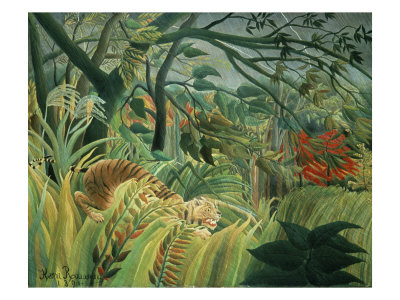
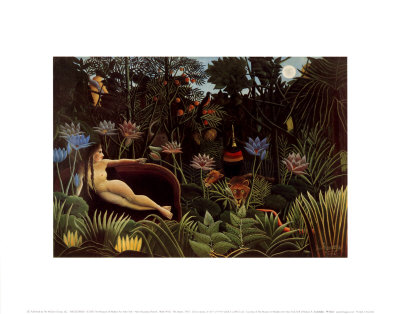
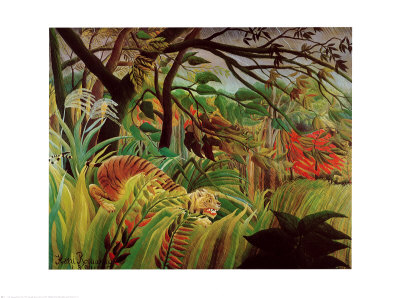
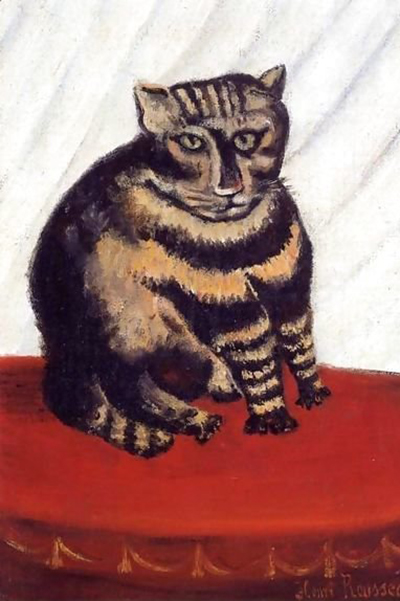
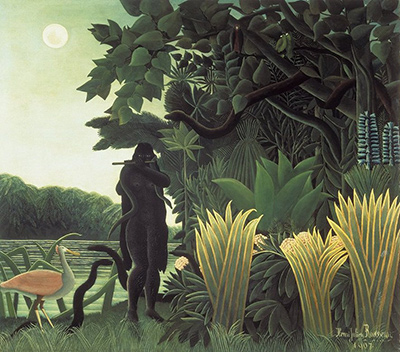
The question of whether children possess the maturity to emulate the unique vision of Henri Rousseau is a common one among parents and educators. While Rousseau himself painted mature works reflecting a lifetime of observation, the core spirit of naïve art—characterized by uninhibited imagination, bold colors, and a disregard for academic rules—is perfectly suited for young minds who naturally lack the fear of making mistakes.
Understanding the Essence of the Style
To teach children this style, one must first demystify what makes it distinct from traditional schooling. Henri Rousseau, known as "The Green Man," was famous for his jungle scenes that appeared effortless yet were carefully composed. The core of this approach lies in the rejection of rigid academic constraints. In a classroom setting, a child might be taught that trees must grow straight up and leaves must be uniform, whereas in naïve art, trees can be crooked, leaves can be oversized, and colors can be chosen based on how the artist feels about the object rather than how it actually looks. This psychological shift is crucial for children, allowing them to project their own whimsical realities onto the canvas without fear of being "wrong."
Practical Tools for Young Creators
Before a single stroke is made, it is essential to gather materials that encourage boldness rather than perfection. Traditional fine-tip markers or overly delicate brushes can inhibit the natural flow required for this style. Instead, focus on tools that allow for thick application and visible texture.
- Use heavy-bodied acrylics or watercolors that do not dilute too quickly, ensuring the child can control the paint's thickness.
- Select large, broad brushes rather than fine detail tools, as the goal is broad strokes and confident marks.
- Provide a palette of primary colors with a few secondary mixes, encouraging the child to make their own choices rather than following a pre-set color wheel.
- Offer textured surfaces like canvas boards, rough paper, or even painted cardboard to mimic the tactile quality of Rousseau's paintings.
- Include masking tape on edges of the paper to create clean lines that can later be erased, adding a playful layer to the composition.
- Encourage the use of objects as stencils, such as leaves or fabric, to create interesting patterns and textures.
- Ensure the workspace is large enough to allow for sprawling, energetic compositions without the child feeling cramped.
The Role of Observation and Imagination
While technical skill is not the primary goal, the ability to observe the world remains vital. Rousseau was known for his intense observation of nature, often painting from life despite his claims of sleeping for long periods. For children, this translates to encouraging them to look closely at their surroundings and then interpret what they see through their own lens. A child might paint a sunflower with three heads, or a bird with wings that look like clouds. This distortion is not a flaw but a feature of the style. It teaches children that their perception of reality is valid and that art is a reflection of their inner world, not just a technical reproduction of the external one. Engaging in storyboarding sessions where they draw their favorite imaginary scenes can further develop this narrative approach to painting.
Overcoming the Fear of "Not Looking Real"
One of the most common barriers to starting naïve art is the internalized pressure to create something that looks realistic. Children, like adults, are often taught early on that if something does not look exactly like a photograph, it is a failure. However, the beauty of the naïve style lies in its honesty. The "imperfect" look is actually a very honest representation of the artist's joy and imagination. Parents can help by praising the effort, the use of color, and the creativity involved in the composition rather than critiquing the accuracy of shapes or proportions. When a child sees that their unique, slightly odd interpretations are celebrated, their confidence grows, and they begin to experiment with different compositions, leading to a more mature artistic voice.
A Journey of Discovery for the Little Artist
Ultimately, teaching a child to paint naïve art is about more than just replicating a specific historical style; it is about nurturing a lifelong relationship with creative freedom. It offers a safe space where mistakes are not errors but opportunities for new discoveries. Just as Henri Rousseau found his voice in the lush, untamed world of the jungle, children can find their own unique voice in the vibrant, unfiltered world of their own imagination. By embracing the looseness and the lack of strict rules, we empower young artists to create works that are full of life, energy, and a distinctly human spirit. The journey may look different than the master's, but the heart of the artwork remains the same: a pure and unfiltered expression of the soul.
Related reading
- The Digital Brush: Reimagining the Dream World of Rousseau
- Finding Your Own Wild Garden: A Guide to Choosing Subjects in Naïve Art
- The Artist's Canvas: Unveiling the Essentials of Naïve Creation
- Unlocking the Surreal Garden: A Guide to Finding Historical Naïve Art for Inspiration
- Sketching the Unseen Realm