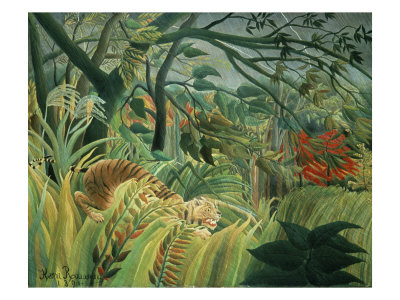
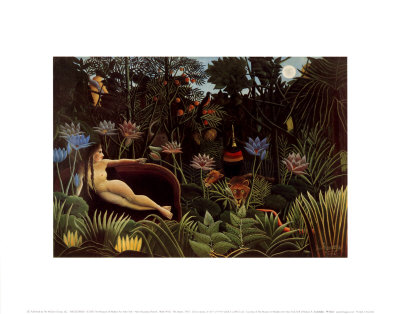
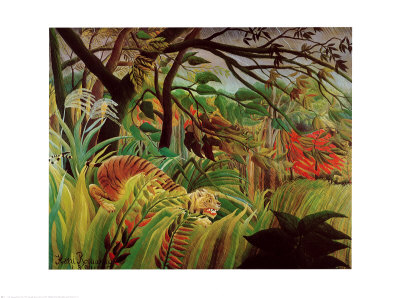
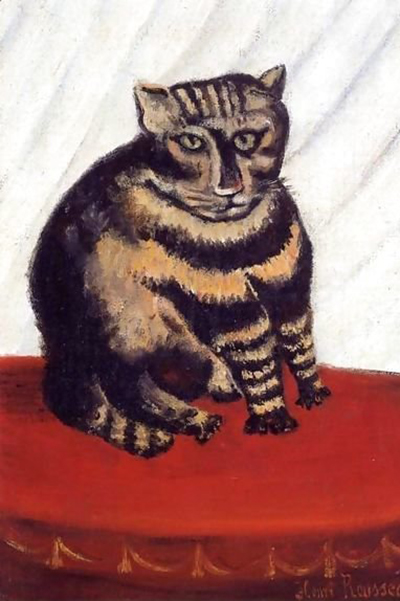
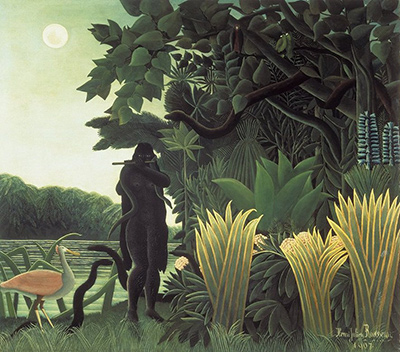
The legacy of Henri Rousseau, the "Dream Painter," offers a unique window into the human capacity for imagination, yet in our modern era, a new question has arisen: can artificial intelligence truly replicate the soul of naïve art? While algorithms can mimic the visual style of Rousseau's lush jungles and dreamlike creatures with remarkable speed, they struggle to capture the genuine, unfiltered emotion that drives the original artist's work. This distinction is crucial for anyone trying to understand the boundaries between synthetic generation and authentic human creation in the realm of art.
The Illusion of Style in Code
Artificial intelligence has become remarkably adept at learning patterns from vast datasets of existing artworks. When prompted to create an image in the style of Henri Rousseau, an AI model analyzes the specific brushstrokes, color palettes, and compositional choices that define his work. It can produce an image that looks deceptively like a scene from his famous "Sleeping Gypsy" or "The Night Corral." However, this replication is based on statistical probability rather than lived experience. The AI does not feel the thrill of the jungle or the quietude of the night; it merely predicts the next pixel based on what it has seen before.
The Source of Authenticity
The defining characteristic of naïve art is its lack of technical training, which paradoxically allows the artist to express raw, unpolished emotions. Rousseau, despite his formal education in architecture and law, painted with a childlike innocence that was untouched by academic rules. He painted what he saw in his dreams without the fear of judgment or the need for perfection. This vulnerability is the lifeblood of his work. An AI, conversely, operates with a cold logic designed to optimize visual appeal according to a prompt. It lacks the internal narrative, the personal struggle, and the specific life events that fuel Rousseau's unique vision. Without these human experiences, the resulting image may have the look of naïve art, but it remains empty of the soul.
Navigating the Ethical Landscape
As technology advances, the line between human-made and machine-generated art blurs, creating complex ethical and legal dilemmas. Collectors and galleries face difficult decisions when presented with works that appear indistinguishable from the originals. There is a risk that the appreciation for the human effort behind the brushstroke could be eroded if the public accepts AI-generated content as equal in value to genuine art. This raises important questions about authorship, copyright, and the preservation of artistic heritage. We must ensure that the legacy of artists like Rousseau is protected from being diluted by mass-produced digital simulations that lack the intentionality of the creator.
Distinguishing Features for the Observer
How can we tell the difference between a genuine Rousseau and an AI generation? While a casual observer might struggle, close inspection reveals several key differences.
- Imperfections and Texture: Human brushstrokes often show the physical interaction between the artist's hand and the medium, including slight variations in pressure and texture that AI struggles to replicate consistently.
- Emotional Resonance: A human work often tells a specific story or evokes a particular mood based on the artist's intent, whereas AI images often feel generic or overly polished.
- Anachronistic Details: Rousseau frequently included objects or techniques that did not exist in his time, reflecting his unique, timeless perspective, which AI might struggle to invent coherently without specific prompting.
- Contextual Clues: Genuine works come from a specific historical period and context, while AI images often lack the subtle historical markers unless explicitly detailed in the prompt.
The Future of Collaboration
Rather than viewing AI as a replacement for human artists, it can be seen as a powerful tool for inspiration and exploration. Artists can use AI to generate initial concepts or overcome creative blocks, using the output as a springboard for their own human-driven development. The goal should not be to replace the human touch but to enhance it. By understanding the limitations and strengths of both mediums, we can appreciate the unique value of naïve art while embracing the innovations of the digital age. The true essence of Henri Rousseau's work will always remain rooted in the human experience, ensuring that his dream world remains a sanctuary for genuine creativity rather than a simulation.
Related reading
- The Child in the Jungle: Cultivating the Spirit of Naïve Art
- Finding Your Own Wild Garden: A Guide to Choosing Subjects in Naïve Art
- The Artist's Canvas: Unveiling the Essentials of Naïve Creation
- Unlocking the Surreal Garden: A Guide to Finding Historical Naïve Art for Inspiration
- Sketching the Unseen Realm