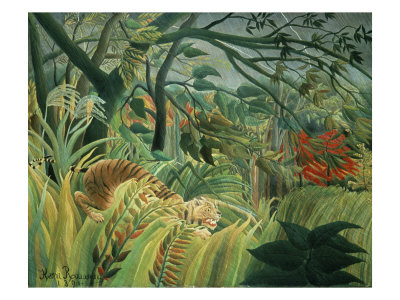
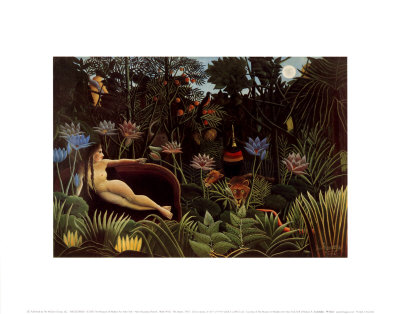
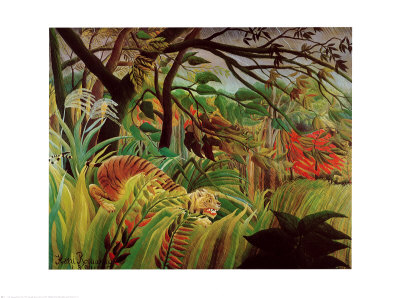
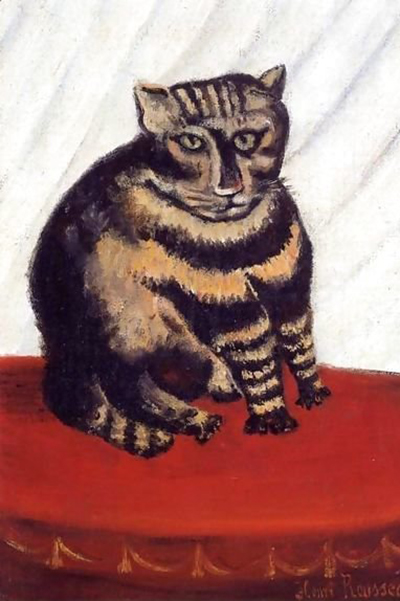
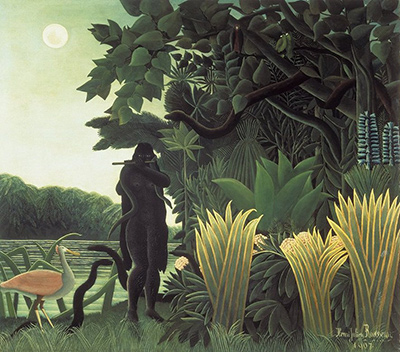
Entering the world of naïve art requires a shift in mindset as much as a change in supplies, moving away from the rigid academic rules that often intimidate beginners. Much like Henri Rousseau, who revolutionized painting by prioritizing imagination over technical perfection, the journey into this vibrant style begins with understanding what truly matters: seeing the world with fresh eyes rather than replicating it with flawless technique. This exploration aims to demystify the equipment needed to capture those dreamlike, jungle-filled landscapes and whimsical creatures that define the genre.
The Foundation: What Truly Matters First
Before purchasing a single brush or tube of paint, one must recognize that the most essential supply is simply a willingness to play. In the realm of naïve art, the brush can be anything from a stiff bristle to a soft hog hair, and the canvas can range from a stretched linen to a piece of cardboard or even a painted box. The primary goal is to capture the raw energy and unique perspective of the artist, which means that high-end artist-grade materials are not strictly necessary to begin. A simple sketchbook and a cheap set of acrylics can produce some of the most memorable works in this category.
Core Tools for the Naïve Painter
While you can certainly improvise, there are a few core tools that will serve as the backbone of your creative process, ensuring that your ideas are translated effectively onto the surface. These items allow for the blending of colors, the creation of textured backgrounds, and the sharp definition of forms without the need for advanced skill.
1. The Palette Knife
Perhaps the most transformative tool for a naïve artist is the palette knife. Unlike traditional brushes that lay paint down in thin layers, a palette knife allows you to apply thick, impasto textures that mimic the dappled light of a forest or the rough texture of a jungle floor. Henri Rousseau often used heavy application to create depth, and a knife enables you to achieve this physicality immediately. It allows you to sculpt the paint, creating ridges and peaks that catch the light in ways that brushes simply cannot. For beginners, a standard stainless steel knife is the starting point, but even a dull one can be used effectively to drag and smear colors in expressive, non-linear ways.
- A palette knife of varying sizes for texturing and blending
- A simple, flat brush for outlining and adding fine details
- An inexpensive canvas board or stretched canvas for practice
- Water or a small amount of medium for acrylics to control consistency
- A plastic bag or paper towel for cleaning tools between colors
Expanding Your Toolkit: The Optional
Once you have mastered the basics with your core tools, you may find yourself wanting to expand your palette to suit more specific moods or techniques. This is where optional supplies come into play, offering a way to enhance your work without being held hostage by cost or complexity. These items allow for greater versatility in color mixing and surface treatment, enabling you to experiment with different finishes and effects.
High-quality acrylic paints, while not mandatory, offer a broader range of hues and better lightfastness compared to student-grade options, which is beneficial if you plan to display your work permanently. Similarly, a high-resolution printer can be a lifesaver for creating custom brushes with unique bristle shapes that you might not find in standard art supply stores. However, these are secondary to the act of painting itself; a novice painter using student paints can still create beautiful, recognizable naïve scenes. The decision to invest in these extras should be guided by your budget and specific artistic goals rather than a fear of inadequacy.
The Role of Paper and Surface
The choice of surface is another critical area where beginners often make unnecessary assumptions. While traditional painters might insist on professional primed canvases, naïve art thrives on the possibility and the unexpected. A simple sheet of drawing paper can be painted over and re-painted until it becomes a textured surface that feels alive. The key is to embrace the imperfections. A slightly warped board or a piece of rough construction paper can add character that a perfectly smooth gallery wall would lack.
Cultivating the Naïve Spirit
Ultimately, the supply list is secondary to the spirit of the artist. Whether you are using a child's crayon or a professional oil stick, the essence of naïve art lies in the uninhibited application of color and form. There is no single "correct" way to do it, and the supplies you choose should serve your vision, not constrain it. Start with what you have, learn the fundamentals of layering and color mixing, and let your imagination guide you through the jungle of creation. Remember, the most important supply in your kit is the courage to paint without worrying about whether it looks "real" by traditional standards.
Related reading
- The Digital Brush: Reimagining the Dream World of Rousseau
- The Child in the Jungle: Cultivating the Spirit of Naïve Art
- Finding Your Own Wild Garden: A Guide to Choosing Subjects in Naïve Art
- Unlocking the Surreal Garden: A Guide to Finding Historical Naïve Art for Inspiration
- Sketching the Unseen Realm