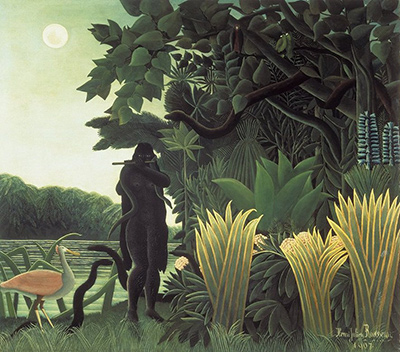
Choosing the right subject for a work of naive art is not merely an exercise in picking a topic; it is an act of aligning your inner world with the vibrant, unfiltered vision that defines the style of artists like Henri Rousseau. Naïve art thrives on authenticity, requiring a subject that resonates deeply with the artist's personal emotions and observations rather than adhering to strict academic rules or complex narratives. When you begin this journey, the goal is to find a theme that feels immediate, raw, and true to your own unique perspective, allowing the colors and forms to emerge spontaneously as you paint.
The Allure of the Unseen
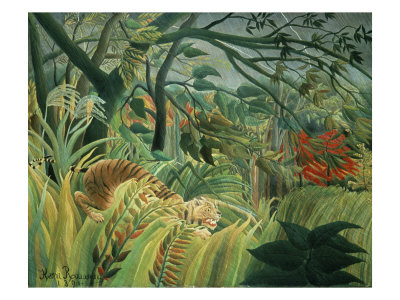
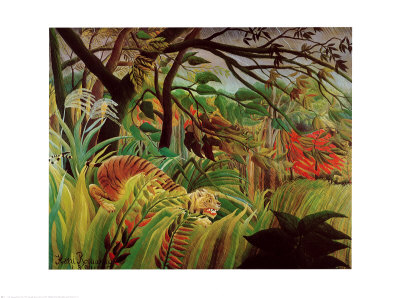
One of the most powerful techniques employed by Rousseau and other masters of the style was painting things they could not actually see in real life. This is often the most surprising aspect for beginners, as it encourages a complete departure from photorealism. Instead of trying to replicate the exact shade of a leaf or the precise angle of a bird's eye, the artist must focus on how an object feels to them. The subject should be something that triggers a strong emotional response, whether it is the overwhelming majesty of a jungle, the quiet intimacy of a domestic scene, or the strange beauty of a night sky. If you are asked to paint a subject you have never encountered but feel a deep connection to, you will likely produce work that feels alive and authentic because your imagination is doing the heavy lifting.
Embracing the Surreal and the Dreamlike
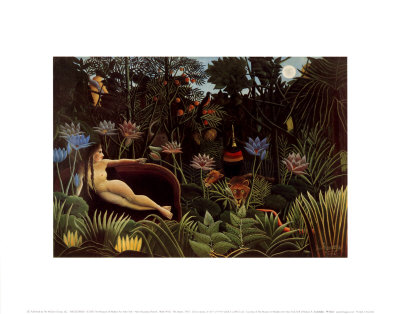
Rousseau's career was largely dedicated to exploring themes of dreams, nightmares, and the subconscious mind. When selecting a subject for your own work, consider pulling from the world of imagination rather than strict reality. This does not mean the subject must be nonsensical, but rather that it should exist in a space between the seen and the imagined. Think of a forest where the trees twist in impossible directions, a city where the architecture melts into the sky, or a still life where the objects seem to be breathing. By choosing a subject that exists in your dreams or a vivid fantasy, you automatically adopt the necessary freedom from the constraints of physics and perspective. This approach allows you to prioritize the emotional truth of the scene over the technical accuracy of the rendering.
Cultivating Your Personal Mythology
To truly succeed in this style, you must develop a personal mythology that you can return to again and again. This involves identifying recurring motifs that speak to your soul and treating them as central characters in your own artistic universe. For some, this might be the specific feeling of standing in the rain, for others, the intricate patterns found in nature, or the mysterious nature of insects. Once you have identified these core themes, your choice of subject becomes easier because you know exactly what you are looking for. You are no longer searching for a new idea but rather finding a new variation on a theme you already love. This consistency builds a cohesive body of work that feels like it comes from one distinct voice, which is the hallmark of a successful naïve artist.
Letting Your Hands Lead the Way
While the subject is crucial, the method of execution is equally important in defining the naive style. When you have chosen a subject that feels right, you must trust your hands and your instincts completely. Avoid the temptation to overthink the composition or try to apply rigid rules of perspective. Instead, let the brushstroke guide the painting, allowing colors to bleed and shapes to blur in a way that feels natural and unforced. The subject you have chosen should act as a prompt for your expression, not a blueprint that you must follow precisely. If you are painting a night scene, do not worry about the stars being in the exact position they appear in the sky; worry about the feeling of darkness and the spark of imagination.
Practical Tips for Your First Sketches
Before committing to a final painting, take time to gather inspiration and refine your concept through quick sketches or digital collages. This stage is about exploration and testing your instincts without the pressure of creating a masterpiece. Here are some practical steps to help you narrow down your subject and get started:
- Draw quick, loose sketches of your chosen subject, focusing on capturing the essence and emotion rather than the details.
- Gather images or memories of the subject and arrange them on a board to see how different elements interact with each other.
- Experiment with bold, flat colors and simple outlines to see if they enhance the emotional impact of your chosen theme.
- Write down a short description of why you chose this specific subject, focusing on the feelings it evokes in you.
- Step away from the subject for a day or two and return to it only when you feel a fresh spark of inspiration.
By following these guidelines and trusting your own unique vision, you can create a body of work that is as distinctive and compelling as the masterpieces of the past. The beauty of naïve art lies in its ability to communicate directly with the viewer, bypassing technical barriers to deliver a pure and unadulterated emotional experience.