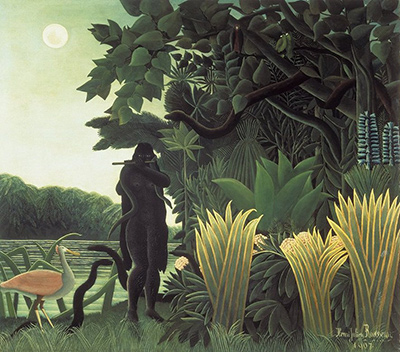
Achieving the visual illusion of a raw, unprimed canvas within a finished painting is a sophisticated technique that can instantly elevate a work from mere representation to a tactile experience. By leveraging thick impasto, an artist can capture the rough grain and structural integrity of the support material itself, creating a layer of texture that mimics the physical reality of the surface beneath the paint. This approach transforms the painting into a dialogue between the flat plane and the three-dimensional ridges, inviting the viewer to feel the brushstroke not just with their eyes, but with their imagination.
Understanding the Role of Texture in Naive Art
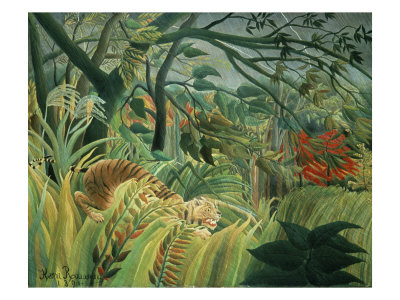
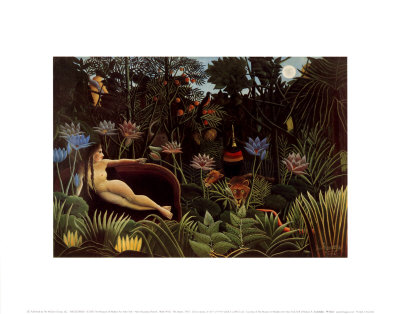
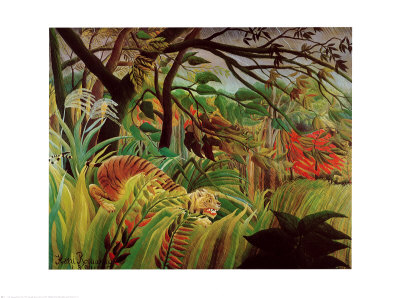
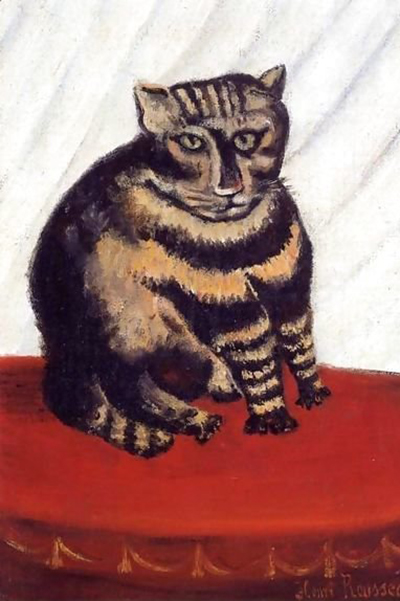
In the realm of naive art and post-impressionism, texture is not merely an aesthetic choice but a fundamental component of the narrative. Artists like Henri Rousseau often utilized thick applications of paint to suggest the world as it exists in nature, unrefined and full of tactile presence. When aiming to replicate the look of raw canvas, the goal is to create a surface that feels unfinished yet deliberate. The ridges formed by heavy paint application should resemble the interlaced fibers of linen or cotton, providing a sense of depth that flat glazing cannot achieve. This method allows the artist to break the illusion of a smooth wall, grounding the image in a specific, tangible reality.
Selecting the Right Mediums for Heavy Application
To successfully execute this technique, one must first consider the properties of the materials being used. Oil paints are traditionally the most forgiving medium for thick impasto due to their slow drying time, which allows for the blending of layers without cracking. However, acrylics offer a faster working window and excellent adhesion, making them ideal for creating sharp, distinct ridges that dry quickly to a durable finish. The viscosity of the paint is critical; standard tubes often contain too much binder, preventing the paint from lifting off the brush. Therefore, incorporating a substantial amount of turpentine, linseed oil, or a dedicated impasto medium is essential. This modification reduces the surface tension of the paint, allowing it to hold its shape and stack upon itself rather than spreading out and flattening into the canvas.
Techniques for Building the Raw Surface
Once the correct medium is prepared, the application technique becomes the primary vehicle for creating the canvas texture. The brush or palette knife must be loaded with a generous amount of paint, ensuring the bristles or blade are nearly saturated. The artist should then press the tool firmly into the surface, dragging across the canvas in the direction of the grain to create long, sweeping ridges that mimic the weave of the fabric. It is important to avoid creating uniform, perfect lines; instead, the strokes should vary in height and direction, adding a sense of organic chaos that characterizes raw material. Layering these thick applications can build up the visual density, making the painted surface appear as if it is physically rising from the support.
Achieving the Perfect Grain Pattern
The subtle artistry lies in the details of the grain pattern itself. A raw canvas does not have a perfectly even weave; there are knots, loose threads, and slight irregularities that give it character. To replicate this, the artist should vary the pressure and angle of the brushstroke. Some areas should be left slightly higher than others, creating a topography that catches the light differently. Using a palette knife can be particularly effective for creating deeper, more dramatic grooves, while a stiff brush can produce finer, more delicate ridges. By alternating between tools and textures, the artist can simulate the complex interplay of fibers found in a real canvas. This layering of different textures ensures that the final result does not look like a uniform block of paint, but rather a nuanced imitation of the underlying support.
Final Considerations for Longevity and Finish
After the impasto work is complete, the painting requires careful curing to ensure the thick layers do not crack or flake as the paint dries. Since oil paints remain pliable for months, it is crucial to allow sufficient time for the paint to fully settle and bond with the canvas before applying any overglazes or varnishes. Rushing this process can lead to structural failure in the high points of the impasto. Once the paint has dried, a single coat of a matte or satin varnish can unify the surface, enhancing the depth of the ridges without obscuring the texture. The goal is to preserve the tactile quality of the raw canvas effect while protecting the delicate layers of thick paint. This final step ensures that the artwork remains stable over time, maintaining the illusion of a raw surface that was carefully constructed rather than accidentally created.
To ensure the most authentic representation of the raw canvas weave, consider the following essential steps in your workflow:
- Mix your pigments thoroughly before adding solvents to prevent settling.
- Apply the first layer of impasto while the canvas surface is still slightly flexible.
- Allow the paint to dry completely before attempting to layer additional textures.
- Use a variety of brush sizes to create depth in the simulated fibers.
- Avoid using brushes that are too soft, as they will flatten the ridges.
- Inspect your work under angled lighting to verify the texture's effectiveness.
- Consider using a palette knife for areas requiring heavy, structural buildup.