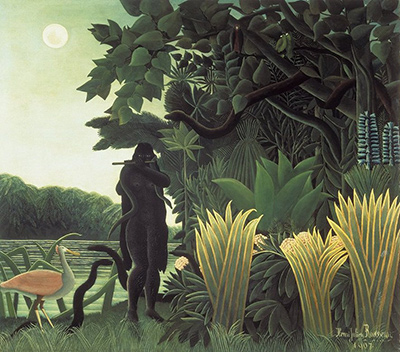
For many emerging artists, including those in the vibrant world of naïve art, the transition from studio practice to online commerce can feel daunting. The sheer volume of digital content available often obscures the unique charm and raw energy that define this specific style. However, by leveraging the right platforms and strategies, you can effectively connect your distinctive work with a global audience eager for authentic expression.
Choosing the Right Digital Marketplace
The first critical step is selecting a platform that aligns with the specific nature of your artwork and your personal brand. Not all marketplaces are created equal, and some cater better to certain styles or collector demographics than others. Consider the strengths of established art-specific sites versus general social media channels. While dedicated platforms offer built-in trust and specialized tools for authentication, social media provides unparalleled control over your narrative. You must evaluate which environment makes it easiest for potential buyers to understand and appreciate the unique qualities of your paintings without needing extensive explanation.
Building a Visual Portfolio That Speaks
In the digital realm, your portfolio is your primary salesperson. For naïve art, which often relies on immediate emotional impact and whimsical compositions, the quality of your presentation is paramount. High-resolution images are non-negotiable; blurry or pixelated thumbnails will cause serious collectors to bounce before they even read your description. Ensure you capture the texture of the canvas and the subtle brushstrokes that give your work its character. Furthermore, organize your portfolio logically, perhaps grouping pieces by theme or technique to help visitors navigate your body of work efficiently. A well-curated online gallery signals professionalism and seriousness about your craft, which can significantly boost buyer confidence.
Crafting Compelling Descriptions and Stories
Once the visual appeal is secured, the text accompanying your images becomes the bridge to the buyer's heart. Unlike academic art where context might be obscure, naïve art thrives on its creator's voice and the story behind the piece. Your descriptions should be engaging, clear, and enthusiastic, avoiding overly technical jargon that might alienate a casual shopper. Explain the inspiration behind the painting, the process you used, and what emotions it aims to evoke. If you have a personal connection to the subject matter, share that; collectors often buy art because they connect with the artist's humanity. This narrative approach transforms a simple transaction into a meaningful exchange of experiences.
Exploring Social Media for Direct Engagement
While platforms like Etsy or Saatchi Art provide a ready-made infrastructure, they do not guarantee sales. The most effective long-term strategy often involves building your own audience through active engagement on social media platforms like Instagram or Pinterest. These channels allow you to showcase your creative process in real-time, turning your studio into a window for followers. By posting videos of you painting, sharing sketches, or discussing the challenges and joys of your work, you create a community that feels invested in your journey. This direct line of communication fosters a level of trust and loyalty that is difficult to cultivate through static online listings alone.
Understanding Pricing and Shipping Logistics
Finally, a practical but often overlooked aspect of online sales is pricing your work fairly and managing shipping costs transparently. Research comparable works to ensure your prices are competitive yet reflective of the value you provide. Be clear about what is included in the price, such as framing, certification, or insurance, to avoid disputes later. For art that requires special handling or custom framing, provide detailed instructions on shipping options and packaging. Clear policies regarding returns and condition upon arrival are essential for maintaining a positive reputation in the online art community.
By combining a strategic choice of platforms with compelling storytelling and a strong visual presence, you can successfully navigate the complexities of selling naïve art online. Remember that building a sustainable career takes time, patience, and continuous learning. Embrace the digital landscape as a new canvas of its own, where your creativity knows no boundaries.
To help you get started immediately, here are the essential steps you should take before listing your first piece:
- Research at least three different marketplaces to compare their fees and audience demographics.
- Invest in a good camera or use high-quality smartphone settings to ensure your images are sharp and colorful.
- Write a draft of your artist statement to help you articulate your unique voice to potential buyers.
- Calculate your shipping costs based on actual dimensions and weight to avoid underpricing your labor.
- Create a password-protected draft gallery so you can refine your portfolio before going live publicly.