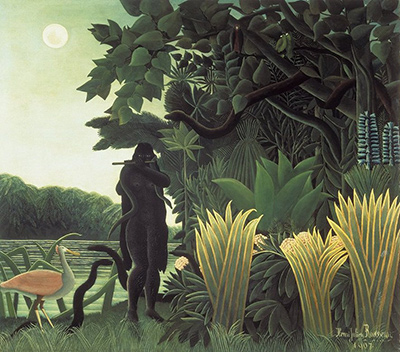
In the vibrant world of naïve art, where the soul of the painter often shines brighter than technical perfection, the notion of a "mistake" can feel both liberating and terrifying. For beginners stepping into the studio, the pressure to create flawless lines and precise shading can sometimes stifle the very creativity that defines this style. However, the truth is that imperfections are not flaws to be hidden, but rather opportunities to inject unique personality and charm into a piece. If an accidental drip of paint or a crooked horizon line brings your painting to life, it is not only okay to keep it; it is often the most beautiful part of the work.
The Philosophy of the Uninformed Eye
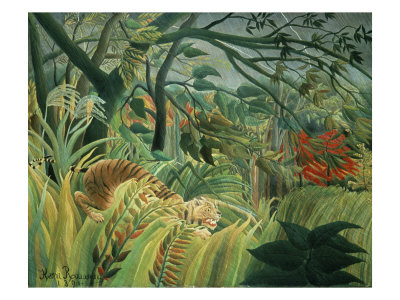
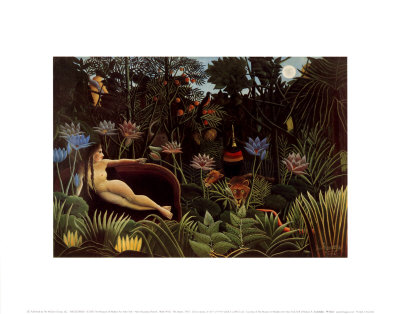
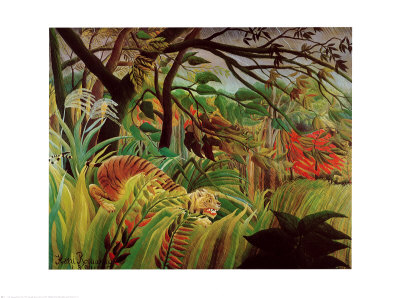
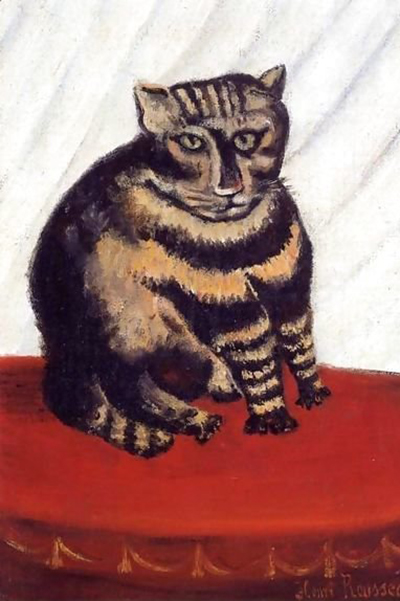
Naïve art, often associated with the work of artists like Henri Rousseau, thrives on an uninhibited approach to visual representation. Unlike academic art, which prioritizes correct perspective and anatomical accuracy, naïve art values emotional truth and immediate expression over technical correctness. When an artist paints without overthinking every detail, their hand moves with a freedom that can lead to unexpected outcomes. These outcomes, which might look like mistakes to a trained eye, are actually signs of a genuine, unfiltered creative process. They remind the viewer that the artist is a human being, making choices in the moment, rather than a machine executing a pre-planned blueprint.
Why Errors Enhance Character
When a brush slips or a color runs where it was not intended, it disrupts the visual rhythm of the canvas in a way that feels organic. A perfectly straight line can feel cold and artificial, whereas a wobbly line suggests the nervous energy or carefree attitude of the creator. In many cases, these irregularities draw the viewer's attention, creating focal points that a perfectly executed painting might lack. The "mistake" becomes a signature, marking the specific moment and the specific artist behind the work. It adds a layer of authenticity that polishes away, leaving nothing but sterile perfection.
Techniques for Turning Mistakes into Masterpieces
How does one transform an accidental blemish into a deliberate feature? The key lies in acceptance and subsequent integration. Instead of immediately trying to cover up an error, pause and ask if it could serve a purpose. If a blob of blue paint appears on a yellow background, does it look like a shadow, a flower, or a character's eye? Often, the answer is yes. By asking where that mark could logically belong, you shift your mindset from correction to creation. This mental shift allows you to build the rest of the composition around the anomaly, making it an essential part of the narrative rather than a distraction from it.
Practical Steps for Handling Imperfections
Working with the unexpected requires a specific mindset and a set of practical strategies. Here are some steps to help you navigate these moments in your studio:
- Pause and Assess: Before covering anything up, take a moment to look at the mistake objectively. Ask yourself how it might change the mood or story of the painting.
- Embrace the Color: Sometimes the most effective solution is to paint over the mistake using a contrasting color, turning a flaw into a new element of the design.
- Lean into the Shape: If the mistake forms a new shape, consider adding details to that shape to make it a distinct object within the scene.
- Accept the Fingerprint: Remember that your handprints and smudges are part of your unique artistic voice and should be celebrated, not erased.
- Reframe the Narrative: Tell a story that incorporates the error, giving it a role in the painting's history.
The Journey of Learning and Growth
Artistic growth in naïve painting is not a linear path to perfection, but a winding journey of discovery and self-expression. Every mistake teaches you something new about your hand, your colors, and your ability to adapt. By viewing errors as character-building blocks rather than failures, you encourage a more relaxed and joyful approach to painting. This relaxation is what ultimately allows the raw, unfiltered beauty of naïve art to emerge. So, the next time your brush wanders slightly off course, smile and keep painting. Your mistake is waiting to tell a story that no technically perfect painting ever could.