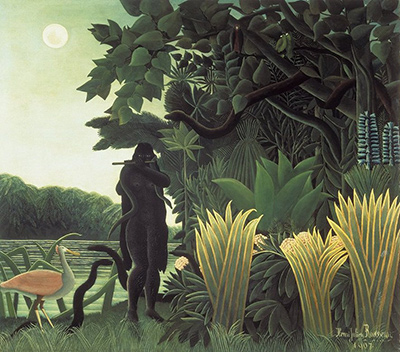
Creating art in the style of Henri Rousseau is a journey of immense freedom and liberation from the rigid constraints of academic tradition, yet it often leads beginners down a path of self-inflicted barriers before they even reach the canvas. While the spirit of naivety encourages a unique, unfiltered vision, many aspiring artists inadvertently replicate the very clichés they seek to avoid or struggle with technical fundamentals that undermine their raw potential. Understanding these common pitfalls early in one's journey is essential for transforming a simple sketch into a compelling work of primitive art that truly honors the dreamlike quality of Rousseau's legacy.
The Burden of Over-Intentionality
One of the most significant hurdles for new artists is the struggle to let go of over-thinking the composition. Naïve art thrives on spontaneity and the direct translation of an immediate impression, yet beginners often try to impose complex structures or overly detailed narratives onto their scenes. This intellectualization kills the magic; it prevents the artist from capturing the pure, unadulterated feeling of the moment. Instead of painting what they see and feel, they start painting what they think should be there, leading to a composition that feels weighed down by unnecessary complexity. The goal is to embrace the chaos and simplify, not to organize everything into a perfect, logical grid.
The Trap of Disproportionate Scale
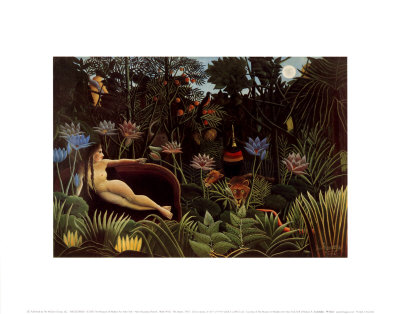
When attempting to mimic the lush, garden scenes of Rousseau, beginners frequently fall into the trap of drawing trees, birds, and animals at wildly incorrect scales relative to one another. A common mistake is making the birds as large as the humans or rendering trees so tall they seem to pierce the sky with an unrealistic density. This happens because the artist tries to draw every single element with perfect realism rather than considering the overall composition and the viewer's perspective. In naïve art, size is often used for emphasis, not necessarily for literal accuracy. A small bird might be painted large if it is the focal point of the story, while a massive tree might be rendered with fewer branches if it serves as a background element. Balancing these proportions requires an intuitive understanding of what feels right, rather than a rigid adherence to anatomical correctness.
Mastering the Simplified Tree Forms
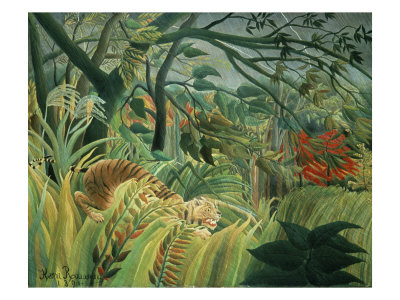
The tree is arguably the most iconic element in Rousseau's work, and it is also the most common source of frustration for beginners trying to replicate his style. Many artists attempt to draw trees with too much realism, adding every single branch and leaf, which results in a messy, tangled mess that loses its distinctive charm. To avoid this, the artist must learn to simplify the tree structure into bold, rhythmic shapes. Instead of trying to capture the texture of every leaf, focus on the silhouette and the major branches that define the tree's presence in the landscape. The branches should curve naturally, often creating a sense of movement or weight against the sky. By reducing the tree to its essential forms, the artist achieves the distinctive, cartoon-like elegance that defines the naïve aesthetic, allowing the background colors and other elements to shine through without being obscured by chaotic detail.
The Problem of Flat, Undifferentiated Color
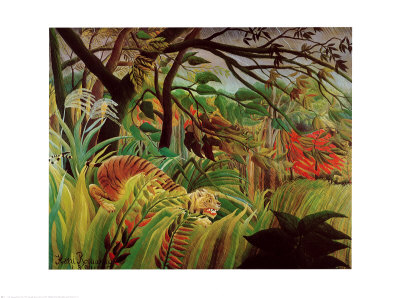
Another frequent error involves the application of color. Beginners often mix colors in a way that creates muddy, dull tones or apply them with such uniform flatness that the painting lacks depth and atmosphere. In the world of naïve art, color is a vehicle for emotion and memory, not just a representation of reality. Rousseau used vibrant, almost glowing hues to create a dreamlike quality, but modern beginners often try to make their colors look "realistic" by mixing them to match their eyes. This results in a palette that feels lifeless and uninviting. The mistake lies in trying to please the eye with accurate color matching rather than pleasing the soul with emotional resonance. The colors should pop and contrast sharply, creating a sense of luminosity that feels like sunlight filtering through a window, even if the lighting conditions in the painting are different from real life.
The Pitfall of Over-Refining the Edges
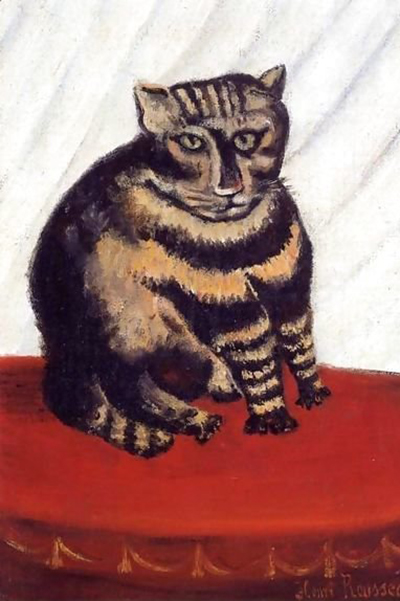
Finally, many beginners struggle with the edges of their subjects, often trying to make every contour line perfect and smooth. This over-refinement destroys the loose, sketchy, and energetic quality that is central to the naïve style. The lines should be confident but slightly wobbly, as if the hand is moving quickly to capture the fleeting nature of the subject. When artists spend too much time perfecting the outlines, they lose the sense of movement and vitality. The art should feel fresh and immediate, not polished and finished in a way that suggests a lack of spontaneity. By accepting some imperfection in the lines and allowing the paint to have a certain texture, the artist can better convey the raw, unpolished energy that makes naïve art so compelling and distinct from traditional academic painting. Avoiding these five common mistakes allows the artist to focus on the true essence of the style: the honest, uninhibited expression of a unique inner world.