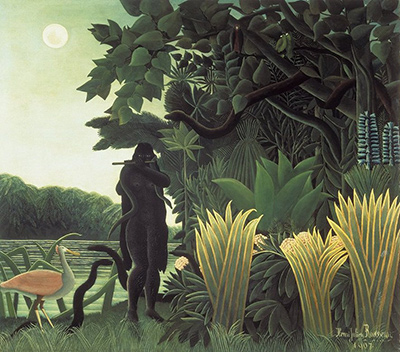
For the artist seeking the raw, unfiltered energy of naive art, the rain is not merely an obstacle but a vibrant catalyst that transforms the landscape into a living canvas. While many travel artists retreat from the elements fearing the damage to their materials or the loss of light, those who embrace the downpour find a unique, textured world where naive aesthetics thrive in their most authentic form. This guide explores how to harness the chaotic rhythm of a storm to create dynamic, emotional works that celebrate the imperfect, joyful spirit of naive painting.
Preparing Your Arsenal Against the Elements
Before stepping into the downpour, the most critical task is ensuring your physical tools are battle-ready. Naive art relies heavily on bold, visible strokes and vibrant color, which can be easily compromised by water, so preparation is key. You must choose a palette that includes waterproof mediums or paints that dry rapidly to the touch. Instead of traditional oil paints that require hours to dry and are vulnerable to moisture, consider acrylics or oil pastels that allow for quick layering and smearing even in damp conditions. Additionally, securing your sketchbook is essential; if possible, use a hardcover pad rather than a soft cover to prevent the pages from curling or the ink from bleeding when humidity rises.
Harnessing the Visual Language of Storms
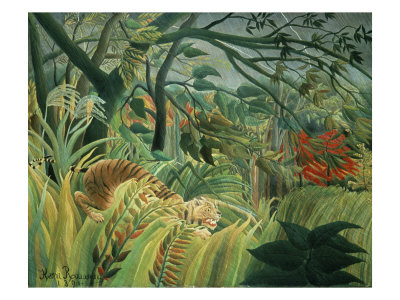
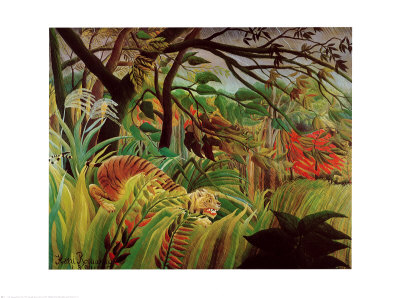
Rain creates a specific atmospheric quality that differs vastly from clear, sunny days. The vertical streaks of water blur the horizon, soften distant details, and create a sense of movement that is impossible to replicate in still photographs. For the naive artist, this is a gift. The visual language of a storm is defined by lines, direction, and intensity. You should focus on capturing the way the light refracts through falling droplets, the contrast between the dark, swollen clouds and the occasionally breaking sunlight. Do not try to paint a realistic storm scene in the traditional academic sense; instead, distill the emotion of the weather. Use large, sweeping gestures to represent the wind, thick blocks of color for the heavy clouds, and sharp, diagonal lines for the rain itself. The goal is to evoke the feeling of being enveloped by nature rather than to document the meteorological event with photographic precision.
Mastering Composition in Low Light
One of the greatest challenges of painting outdoors in rain is the often diminished light and the grey wash of the sky. In naive art, this limitation is actually an opportunity to simplify your composition and focus on the essential forms. When visibility drops, the eye naturally gravitates toward the brightest spots and the strongest contrasts, so use these cues to structure your painting. Look for the single window of light piercing through the clouds and let that become the focal point of your piece. Use the darker, wetter foreground to anchor the bottom of the canvas, guiding the viewer's eye upward toward the brighter elements. Avoid trying to capture every detail of the surrounding foliage, as the mist will obscure it anyway. Instead, suggest the presence of trees with simplified shapes and confident strokes. Remember that in naive art, the viewer connects with the artist's spirit, not the technical perfection of the rendering. A bold, expressive brushstroke that conveys the power of the storm is far more effective than a delicate, hesitant line that gets lost in the rain.
Managing Materials and Safety in Wet Conditions
Working in the rain requires a disciplined approach to material management to ensure your work survives the commute back to the studio. If you are using loose pigments or pastels, apply them directly onto a surface that is already dry, such as a board or a sealed plastic sheet, rather than paper that might warp. For brush work, keep your water containers covered or use tubes of paint that do not require mixing with water if you are working with oil pastels. It is also crucial to monitor your personal safety; never stand in direct streams of water that could cause slipping, and be mindful of electrical safety if painting near outdoor fixtures. Dressing in layers that allow for quick adjustments will also help maintain your focus. Once the storm passes, have a plan for drying your materials immediately, as wet paint can seize up or fade if left to air dry for too long in humid conditions.
The Joy of the Unpredictable
Finally, remember that the beauty of naive art lies in its lack of pretense and its celebration of the moment. There is no rulebook for how a storm should look, and the rain provides a spontaneous, unpredictable backdrop that defies rigid composition. Embrace the accidents created by the weather. A splash of mud on your palette can become a highlight; a sudden gust of wind can rearrange the scene in a way that inspires a new, energetic direction. Trust your instincts and let the chaotic energy of the storm drive your hand. The resulting painting will not just be a record of a rainy day, but a testament to the resilience and joy found in creating art despite the odds. By staying true to the spirit of naive art, you transform the adversity of the rain into the very soul of your masterpiece.
To ensure your workflow remains smooth and efficient during these turbulent conditions, consider the following essential steps:
- Always carry a waterproof cover for your portable easel or board.
- Keep a small bottle of blotting paper on hand to absorb excess moisture from your brush or palette.
- Select a location that offers natural shelter from the most violent gusts while still allowing you to see the storm.
- Check the weather forecast beforehand to choose the right intensity of rain for your style.
- Wear non-slip shoes that provide good traction on wet ground.
- Have a backup set of paints in a sealed plastic bag in case your primary supplies get ruined.
- Remain flexible and ready to change your subject matter if the scenery shifts dramatically.
By integrating these practical habits into your routine, you create a buffer between the harsh elements and your creative process, allowing you to focus entirely on the expression and emotion that define naive art.