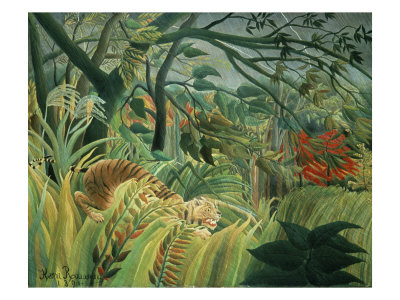
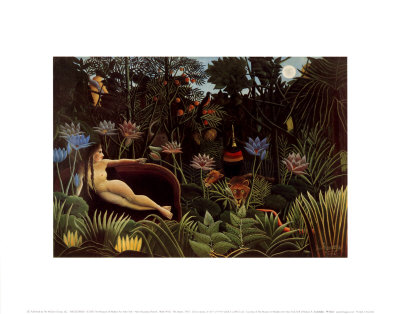
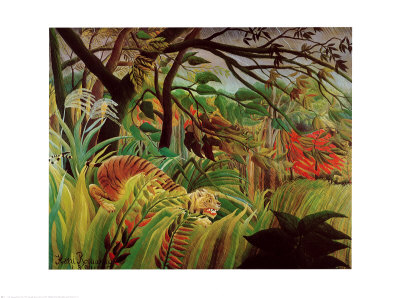
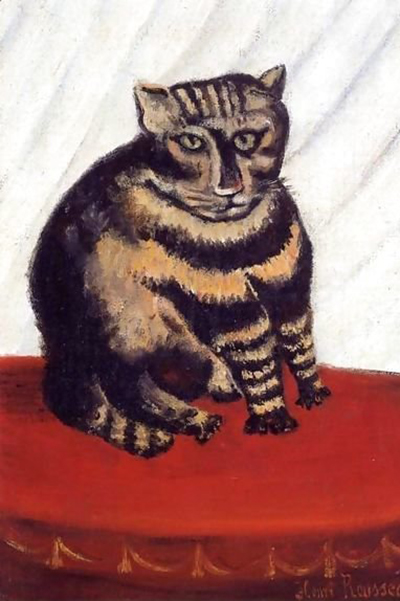
Preserving the unique, dreamlike quality of naïve paintings requires a delicate balance between protecting the physical medium and respecting the raw, unrefined spirit of the artist. Unlike traditional academic works, these pieces often rely on their unpolished texture and vibrant, almost accidental imperfections to create their illusionistic depth, meaning that any restoration or framing approach must prioritize invisibility over perfection.
Understanding the Fragile Canvas
Naïve art, particularly the works of figures like Henri Rousseau, is frequently created on raw canvas or heavily textured boards that have not been primed in the conventional manner of professional studios. This lack of a protective gesso layer can make the surface highly susceptible to dust, humidity changes, and physical abrasion. Before considering any frame, one must assess the structural integrity of the painting itself; many naïve works were painted en plein air or in workshops with limited resources, leading to canvases that may be thin, flexible, or even warped. Handling these artworks with excessive force can cause the paint layers to crack or the fabric to tear, destroying the very spontaneity that defines the style. Therefore, the first step in preservation is often simply cautious handling and proper environmental control rather than aggressive conservation treatment.
The Architecture of the Frame
Selecting a frame is perhaps the most critical decision, as a poorly chosen mat or frame can ruin the visual impact of a naïve painting. The goal is to create a "floating" effect where the painting appears to hover slightly above the wall, mimicking the distance the artists often painted from their subjects. Standard, heavy classical frames with deep, ornate profiles can crowd the work, making the delicate brushstrokes feel suffocated. Instead, opt for frames with minimal molding, such as simple flat profiles or contemporary floating frames that use micro-grooves to separate the canvas from the backing board. This method allows the paint surface to breathe while providing structural support. Avoid glass if possible; instead, use Plexiglas or acrylic glazing, which offers scratch resistance and UV protection without the risk of breaking if the display area is bumped. Acrylic also has a higher refractive index, which can sometimes enhance the luminosity of the vivid colors found in naïve works.
Choosing the Right Matting Technique
The mat board acts as a buffer between the artwork and the frame, but for naïve art, it must be chosen with extreme care. Traditional white or cream-colored mats can sometimes clash with the saturated, unnatural palettes of Rousseau or other naïve masters, creating an artificial border that detracts from the organic feel of the piece. Look for acid-free, lignin-free mats in colors that complement rather than compete with the painting, such as soft sage, muted olive, or even a neutral grey. If the painting has a distinct, unprimed edge, consider using a "floating" mat where the mat board is visible on the sides, or better yet, create a border using the painting's own overpainted edges if they are present. In some cases, a thin strip of the original canvas texture can be used to define the boundary, preserving the integrity of the original surface.
Environmental Stewardship
Even the most robust frame cannot protect a naïve painting if it is placed in an environment with fluctuating temperature or high humidity. These conditions can cause the raw canvas to expand and contract, leading to warping, mold growth, or paint cracking. Maintain a stable climate with temperatures between 65°F and 75°F and relative humidity between 40% and 50%. Avoid direct sunlight, which can fade the bright blues, greens, and yellows characteristic of the style. Instead, use indirect lighting or UV-filtering bulbs if the piece must be displayed in a gallery setting. For home display, rotate the painting seasonally if it is in a south-facing room. Regular cleaning should be limited to gentle dusting with a soft, dry microfiber cloth; never use vacuum cleaners or compressed air near the surface, as the suction or pressure can dislodge loose pigment or fibers.
Display Strategies for Protection
The way a naïve painting is hung and accessed can significantly impact its longevity. Avoid placing heavy objects on shelves directly beneath the painting, as the vibration can loosen the mounting. Ensure that the wall surface is perfectly flat and securely anchored to prevent the artwork from shifting over time. If the painting is large, consider using two-point hanging systems to distribute the weight evenly. When displaying multiple works, keep them spaced apart to prevent air circulation issues that could lead to condensation between frames. Finally, educate viewers on the nature of naïve art; understanding that the "flaws" and raw textures are intentional stylistic choices rather than errors will foster a deeper appreciation and reduce the urge to touch or handle the pieces. By treating these works with the reverence of fragile historical documents, we ensure that their timeless, surreal beauty continues to inspire generations.
Critical Checklist for Naïve Art Care
To ensure that your collection remains intact and visually authentic, adhere to the following essential guidelines during every handling and display process:
- Always wear white cotton gloves when moving any naïve painting to prevent transferring natural oils from your skin to the surface.
- Never lean your body against the frame or artwork, as the constant pressure can warp the backing and distort the canvas over time.
- Inspect the surrounding area for pests before placing the piece, as naïve art on natural fibers can be particularly attractive to insects seeking organic material.
- Ensure that any cleaning cloths used are completely free of lint and residue, as particles can embed themselves into the rough texture of the paint.
- Document the condition of the painting with high-resolution photographs before any physical intervention, such as moving or framing.
- Keep a log of the environmental conditions (temperature and humidity) during the display period to detect any gradual shifts early.
- Avoid using chemical solvents or commercial sprays on the surface, as they can chemically react with the raw pigment layers and cause irreversible damage.