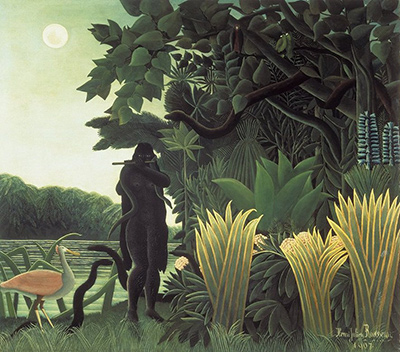
Creating commissioned naïve art is a delicate dance between an artist's unique, dreamlike vision and a client's specific desires. When working with Henri Rousseau as a muse or a style reference, the challenge lies in translating his lush, jarring, and innocent aesthetic into a piece that satisfies both the artist's integrity and the patron's expectations. Misunderstandings often arise not from a lack of skill, but from the inherent difficulty of explaining the "naïve" idiom to someone unfamiliar with its history, leading to frustration on both sides. By establishing clear boundaries early in the process, artists can ensure the final piece honors the spirit of the genre while meeting the practical needs of the buyer.
Understanding the Essence of the Style
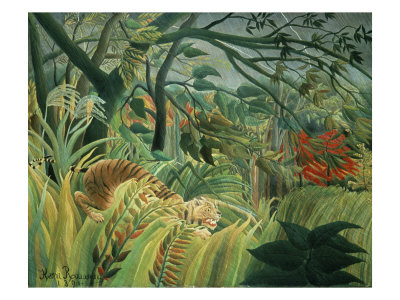
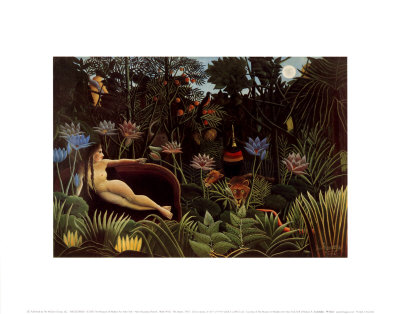
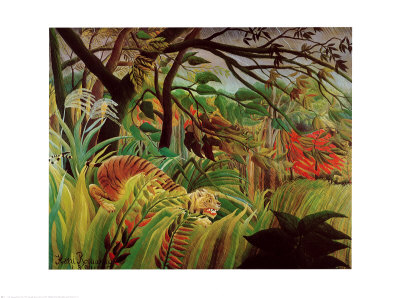
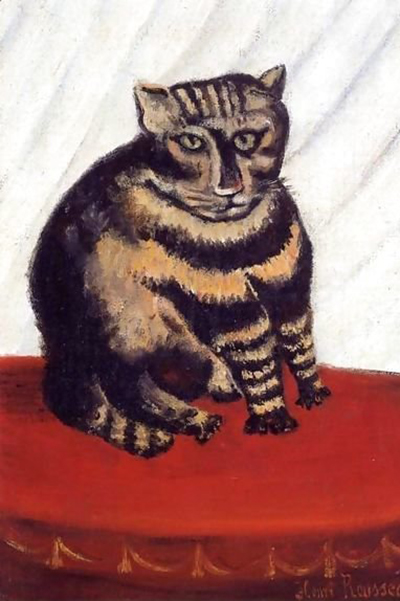
Before a single sketch is made, the artist must articulate what makes naïve art distinct. Unlike traditional academic painting, which relies on strict perspective and realistic lighting, naïve art embraces a flattened space, bold outlines, and a lack of complex shading. Clients often assume that a painting of a jungle scene must look photorealistic, unaware that the beauty in works inspired by Rousseau lies in the imaginative distortion and vibrant color palettes. The artist needs to explain that the "naïve" look is not a limitation, but a specific artistic choice that prioritizes emotion and atmosphere over technical perfection. Clarifying that the work will feature exaggerated proportions and a dreamlike quality prevents the client from feeling let down if the result does not match a photographic expectation.
The Necessity of Visual Documentation
Words alone are rarely sufficient when discussing a style that defies logic. The most effective way to manage expectations is through the use of visual references. Instead of vague descriptions like "make it look like a forest," the artist should provide examples of genuine naïve works, specifically those that capture the essence of the era and style in question. This allows the client to see exactly how the trees will be rendered, how the sky will interact with the ground, and what kind of texture the leaves will possess. It is crucial to show examples that demonstrate the specific flattening of perspective and the use of bold, non-naturalistic colors, ensuring the client understands that the artwork is an interpretation of nature, not a replica.
The Role of Iteration and Feedback
Once the initial concept is presented, the discussion regarding modifications becomes the most critical phase for managing future satisfaction. While the artist retains the right to maintain the integrity of the style, there is always room for collaboration if the client has legitimate concerns about the composition or color scheme. However, it is vital to set limits on how much the final piece can deviate from the agreed-upon style. In this section, the artist should outline a process for feedback where specific, actionable requests are welcomed, but broad requests that fundamentally change the nature of the naïve style may be declined. This ensures that revisions are seen as refinements of the vision rather than rewrites of the entire concept, protecting the artist's creative autonomy while remaining respectful of the client's input.
Establishing a Clear Timeline and Scope
Naïve art often involves a complex layering process, requiring time to build up the vibrant underlayers and then applying the thick, textured strokes characteristic of the style. Clients frequently underestimate the time required for such intricate work, leading to anxiety about delivery dates. It is essential to provide a realistic schedule that accounts for the drying times of the paints and the physical nature of the medium. Furthermore, the scope of the commission must be defined clearly; does the client want a full canvas, a small panel, or a specific format? Ambiguity about the size or materials can lead to disputes later. By detailing the steps from sketch to final varnish and providing a firm deadline, the artist demystifies the workflow and gives the client confidence that the project is moving forward according to a professional plan.
Preserving the Spirit of the Work
Finally, the artist must remember that the soul of the work is the relationship between the viewer and the scene, much like the silent stories told in the paintings of the French artist. The ultimate goal is to create a piece that feels authentic to the style, even if the client's personal preferences are slightly adjusted. This requires a gentle but firm stance during the communication phase, where the artist educates the client on why certain elements, like a particularly strange angle or a bright red cloud, are integral to the style. By framing these decisions as the essence of the art form rather than arbitrary choices, the artist fosters a partnership based on mutual respect and a shared appreciation for the unique beauty of naïve art.
To successfully navigate these complexities, consider implementing a standard set of communication protocols that reinforce the unique nature of the medium. These protocols serve as a foundational framework for every interaction, ensuring that all parties remain aligned with the core principles of naïve artistry.
- Establish a primary point of contact for all inquiries to prevent conflicting messages.
- Provide a written summary of the agreed-upon style elements before starting any physical work.
- Request written confirmation of the final size, canvas type, and framing options.
- Schedule a progress review meeting two weeks into the project to check alignment.
- Define the number of revision rounds explicitly in the initial agreement document.
- Offer a sample swatch or small-scale test piece to confirm color preferences early.
- Clearly state the cancellation policy regarding unused deposits or unfinished commissions.
By adhering to these structured guidelines, the artist creates a safe environment where creative exploration and client satisfaction coexist harmoniously. This approach transforms potential conflicts into opportunities for deeper understanding, ensuring that the finished work truly reflects the intended vision while respecting the distinct character of the style.
Related reading
- The Digital Brush: Reimagining the Dream World of Rousseau
- The Child in the Jungle: Cultivating the Spirit of Naïve Art
- Finding Your Own Wild Garden: A Guide to Choosing Subjects in Naïve Art
- The Artist's Canvas: Unveiling the Essentials of Naïve Creation
- Unlocking the Surreal Garden: A Guide to Finding Historical Naïve Art for Inspiration