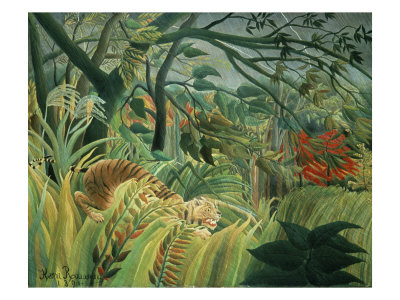
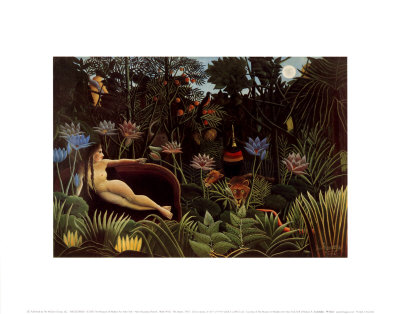
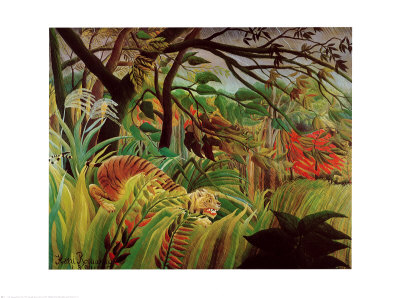
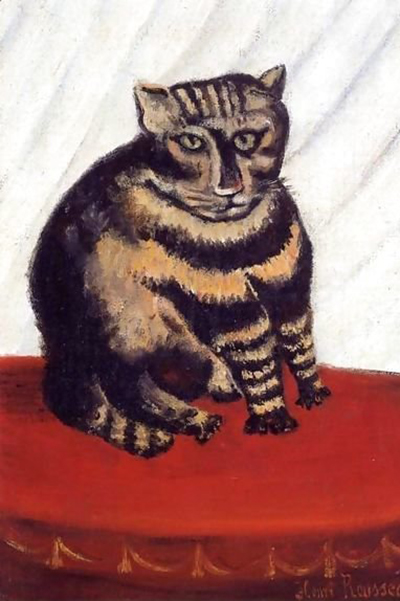
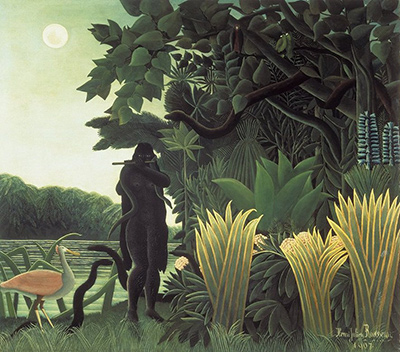
Curating the scattered dreams and fleeting ideas found in the works of Henri Rousseau requires a delicate touch, much like tending to his own famous jungle scenes where nature seems to grow wild and untamed. Whether you are managing a private archive of his rough, sketchy studies or organizing a comprehensive exhibition of his finished masterpieces, the goal is to preserve the integrity of the artist's unique, childlike vision without letting the collection stagnate or fade. This guide offers practical strategies for organizing, preserving, and presenting these delicate artifacts so that the magic of the Naïve style remains vibrant for future generations.
Establishing a Logical Framework
Before placing a single sketch in a frame or a box, you must build a robust organizational system that reflects the chronological evolution of the artist's career. Rousseau's work ranges from simple pencil studies of his childhood in the French countryside to his complex, color-rich depictions of exotic animals and imaginary forests. A chronological approach is often the most effective method, as it allows viewers to trace the growth of his imagination from the innocence of his early drawings to the sophisticated mastery of his later oil paintings. Consider creating a folder structure or a digital database that groups items by year, style, or subject matter, ensuring that nothing gets lost in a chaotic pile of paper and canvas.
The Sanctuary of Paper and Pigment
Proper preservation is the cornerstone of managing any significant art collection, and naïve works are particularly vulnerable due to their often delicate materials. The sketches found in Rousseau's studio or those acquired from his estate frequently utilize soft pastels, thin washes, or fragile paper that can easily degrade under poor conditions. You must implement a rigorous climate control protocol, ensuring that the storage environment maintains a consistent temperature and humidity level to prevent the paper from warping or the ink from bleeding. Furthermore, all pieces should be handled with cotton gloves to avoid transferring oils from your skin to the surface, a practice that is non-negotiable for maintaining the pristine condition of these historical documents.
Creating Custom Preservation Containers
Once you have established your climate control needs, the next step is to select the right physical containers for your pieces. Standard archival boxes are not sufficient for every type of artwork; for instance, a flat sketch requires a different protection than a rolled canvas. To ensure maximum safety, you should invest in custom-made archival folders that are acid-free and lignin-free, which do not yellow or become brittle over time. For three-dimensional objects or larger finished pieces, custom cradles made of acid-free foam or acid-free foam and cardboard should be designed specifically to the dimensions of the item. These custom containers act as a buffer, protecting the artwork from dust, light, and physical shocks while allowing for easy transport between the storage vault and the exhibition space.
Managing the Lifecycle of a Piece
Every item in your collection will have a specific lifecycle that moves from storage to display and back again. This cycle requires careful planning to minimize the time artworks spend in direct sunlight or in high-traffic areas where they might be bumped or knocked. When planning an exhibition, you must account for the fragility of the pieces; some may need to be rotated frequently to prevent irreversible damage from long-term exposure to light. It is also crucial to maintain detailed condition reports for each item, documenting any changes in the paper's texture, the cracking of the paint, or the fading of the colors. These records serve as a vital historical document, providing insight into the condition of the work before and after any restoration efforts or changes in the environment.
Fostering the Spirit of Naïveté
Finally, the way you present and manage your collection should never overshadow the inherent quality of the art itself. Rousseau's work is defined by its bold use of color, its flat perspective, and its dreamlike quality, so your curation should highlight these features without adding unnecessary distractions. Avoid over-labelling or over-explaining the technical aspects in the immediate vicinity of the piece, as this can detract from the viewer's emotional connection to the image. Instead, focus on creating an atmosphere that complements the work, perhaps through subtle lighting that mimics the natural light often depicted in his paintings. By respecting the artist's unique voice and the physical limitations of the materials, you ensure that the collection not only survives but thrives, offering a lasting tribute to the enduring genius of Henri Rousseau.
To successfully maintain a diverse inventory, consider adopting the following core practices:
- Conduct regular inventory audits to track the location and condition of every sketch.
- Rotate displayed pieces regularly to minimize light exposure and prevent fading.
- Train all staff members on proper handling techniques to avoid accidental damage.
- Digitize rare items immediately to create a permanent backup record.
- Monitor environmental sensors continuously to ensure optimal climate stability.
- Establish a clear protocol for accessing stored items to prevent unauthorized handling.
- Document every physical intervention or environmental shift in the collection's history.
Related reading
- The Digital Brush: Reimagining the Dream World of Rousseau
- The Child in the Jungle: Cultivating the Spirit of Naïve Art
- Finding Your Own Wild Garden: A Guide to Choosing Subjects in Naïve Art
- The Artist's Canvas: Unveiling the Essentials of Naïve Creation
- Unlocking the Surreal Garden: A Guide to Finding Historical Naïve Art for Inspiration