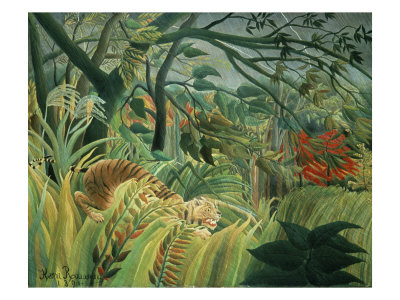
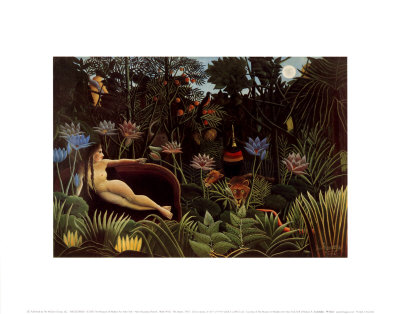
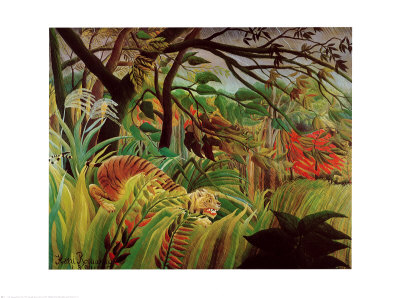
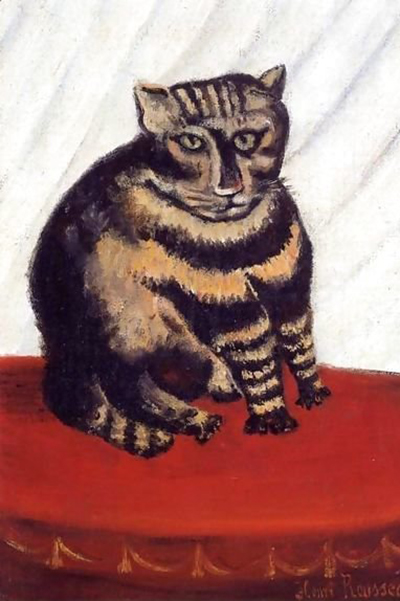
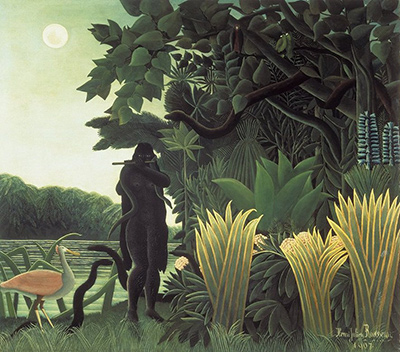
Discovering the vibrant world of naïve art close to home requires a blend of curiosity, patience, and an open mind, much like the way Henri Rousseau found inspiration in the unspoiled beauty of nature rather than the crowded salons of Paris. By looking beyond traditional gallery walls and engaging with the local fabric of your community, you can stumble upon a treasure trove of unpretentious, childlike, and deeply expressive work that breathes life into everyday scenes. This journey is not merely about collecting art; it is about connecting with a unique artistic philosophy that values honesty and imagination over technical perfection, creating a direct line between the creator and the viewer.
The Vital Role of Local Libraries and Community Centers
One of the most overlooked hubs for discovering these unique artists is the local library system. Many public libraries, particularly those with strong arts departments, host regular exhibitions featuring local creators, often including a dedicated section for naïve or folk art. These spaces are less commercial than galleries and more focused on community engagement, meaning curators often seek out fresh talent to fill their rotating displays. If you find a library exhibition labeled "Local Voices" or "Folk and Folklore," take the time to read the small cards attached to the paintings. These labels often include the artist's name, a brief bio, and crucially, their mailing address or website. Additionally, community centers frequently offer weekend workshops or "meet the artist" sessions where you can watch the creative process in action. These events provide a rare opportunity to observe the artist's thought process without the pressure of a sales environment, fostering a genuine appreciation for their perspective on reality.
Direct Interaction: How to Approach a Local Artist
Meeting an artist in person can transform a simple observation of a painting into a profound understanding of their vision. When you encounter a local naïve artist at a market, a church fair, or a library show, approach them with genuine curiosity rather than transactional intent. Naïve artists often draw their strength from a desire to express the things they see and feel, much like Rousseau did with his jungle dreams and Parisian streets. Start by asking a simple, open-ended question about the subject of their work, such as, "What inspired you to paint this scene?" or "How did you decide on the colors for the birds?" This invites them to share the story behind the canvas, which is often the most valuable part of the experience. Many of these artists are shy or humble, so offering specific praise for the emotional impact of the piece can make them feel appreciated beyond just their technical skill. If you are interested in purchasing work, be transparent about your budget, but remember that many naïve artists view their work as a labor of love and may be more interested in the connection than the profit.
Exploring Second-Hand Stores and Estate Sales
Another effective strategy for tracking down these artists is to scour local thrift shops, garage sales, and estate sales. Unlike high-end dealers who focus on established names, smaller retailers and private sellers often carry overlooked pieces created by neighbors. When you find a painting that looks simple, flat, or slightly "unfinished," resist the urge to dismiss it immediately; it might be the signature style of a local naïve practitioner. Take a photo of the back of the frame if possible, as this often bears the artist's signature or initials, which can be a starting point for identifying them. Once you locate the artist, check the local newspaper's classified section or community bulletin boards to see if they have listed upcoming sales or exhibitions. Sometimes, these artists will have a regular schedule of selling their work, allowing you to build a relationship over time rather than making a one-time purchase.
Utilizing Social Media and Online Forums
In the digital age, local artists are increasingly active on social media platforms like Facebook, Instagram, and even specialized forums dedicated to naïve art and folk art. While these channels are often saturated with commercial content, searching for specific location tags combined with keywords like "naïve," "folk," "outsider," or "primitivist" can lead you to small, local pages or groups. Joining local community groups on these platforms can be particularly useful, as members frequently share events, pop-up shows, and informal meetups happening within a few miles. You might also find artists sharing their creative journeys, sketches, or unfinished works, giving you a glimpse into their process before it becomes a finished piece. Be sure to check the "About" section of any page you find; a well-maintained bio often lists physical addresses for workshops or studios, providing another avenue for in-person interaction. Engaging politely in these groups by asking questions or sharing appreciation for a specific piece can also introduce you to the artist's circle, potentially leading to invitations to private viewings or collaborative projects.
Fostering Long-Term Relationships with Creators
Ultimately, finding a community of naïve artists is about building lasting connections rather than just acquiring objects. Once you have identified a local artist through any of the methods mentioned above, consider reaching out to inquire about joining a newsletter, signing up for a regular workshop, or simply becoming a subscriber to their updates. This shows a genuine interest in their growth and evolution as an artist, which is something naïve creators deeply value. By maintaining this interest over months or years, you may be invited to attend private gallery openings, participate in group shows, or even collaborate on a new project. Remember that the spirit of naïve art is one of shared wonder and direct expression; by engaging with the community, you become part of the continuum of artists who seek to capture the magic of the ordinary world around them, ensuring that these unique voices continue to be heard and celebrated in your own neighborhood.
To truly integrate into these circles, consider these practical steps for initial engagement:
- Introduce yourself warmly and state clearly that you are a newcomer to their specific community.
- Ask if they are willing to host a small, informal coffee chat to discuss their latest project.
- Look for "Open Studio" hours posted on their social media profiles for unannounced drop-ins.
- Purchase a small item from their work to start a conversation about their technique rather than price.
- Offer to help them organize a local display or assist with community outreach efforts.
- Keep a notebook of their inspirations and visit their studio regularly to witness the process.
- Respect their boundaries if they indicate they prefer to work on their own terms without public scrutiny.
Related reading
- The Digital Brush: Reimagining the Dream World of Rousseau
- The Child in the Jungle: Cultivating the Spirit of Naïve Art
- Finding Your Own Wild Garden: A Guide to Choosing Subjects in Naïve Art
- The Artist's Canvas: Unveiling the Essentials of Naïve Creation
- Unlocking the Surreal Garden: A Guide to Finding Historical Naïve Art for Inspiration