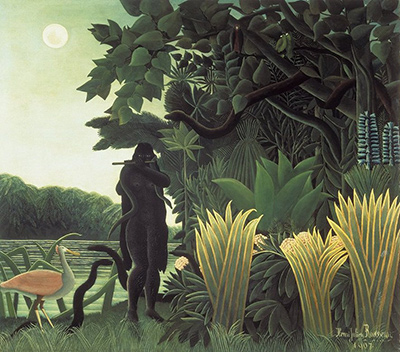
Henri Rousseau, the "Dream Painter," taught us that art does not always need a complex backdrop or a grand narrative to be profound; often, the simplest, most honest observations hold the greatest power. To honor his legacy, one must cultivate a personal practice that values the raw, unfiltered vision of the artist over technical perfection. By keeping a dedicated diary of your naïve art practice, you create a living archive of your evolving creativity, preserving moments of inspiration that might otherwise fade into the quiet corners of memory. This journal becomes more than just a record; it is a seed bank for future ideas, ensuring that the spark of imagination never truly goes out.
The Philosophy of the Naïve Observer
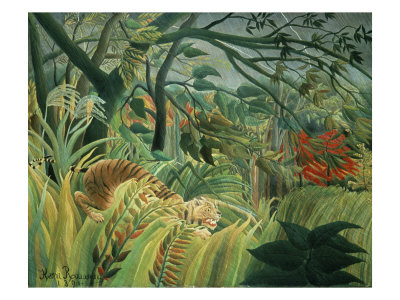
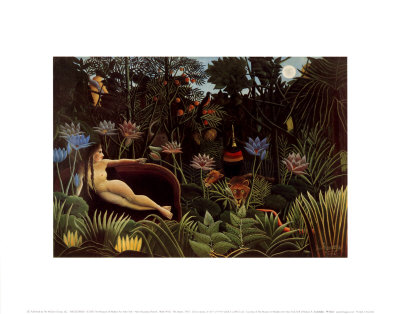
Before picking up a brush or a pencil, it is essential to understand the core spirit that drives naïve art. Unlike academic traditions that demand rigorous adherence to perspective, anatomy, and realistic lighting, naïve art celebrates the unique perspective of the individual. It is the art of the outsider, the child, or the dreamer who sees the world as it truly feels rather than as it strictly appears. Your diary should reflect this freedom. Do not worry about getting the lines straight or the shadows perfectly rendered. Instead, focus on capturing the mood, the color, and the immediate emotional reaction to a scene. When you look at Rousseau's jungle scenes, notice how the birds and flowers seem to leap out of the canvas, not because of photorealism, but because of a vibrant, internal life. Your diary entries should encourage you to adopt this same unburdened approach, documenting your thoughts and sketches without the pressure of "correctness."
Recording the Sparks of Inspiration
The most valuable part of your art diary is capturing those fleeting moments when an idea strikes you. In a busy world, inspiration can be elusive, often appearing in the blink of an eye and vanishing before you can grasp it. You must have a system in place to seize these moments immediately. This involves more than just writing; it is about freezing a specific feeling or a half-formed image in ink or paper. Whether it is a sudden urge to paint a specific color, a memory triggered by a song, or a visual pattern you noticed in a park, record it while it is fresh. Think of your diary as a time machine that allows you to revisit these specific states of mind whenever you need a boost.
Establishing Your Daily Ritual
To make this practice sustainable, you need a consistent routine. Treat your art diary with the same seriousness as a daily exercise in physical health. It does not have to be long, but it must be regular. Try to spend just ten minutes every morning or evening reviewing your entries and sketching something small. This consistency builds a muscle of habit, making the act of creating a natural extension of your daily life. Over time, you will find that your entries begin to form a coherent narrative of your artistic growth, revealing patterns in your style and themes that you might not have noticed otherwise.
Curating the Visual Elements
A diary of naïve art practice cannot rely solely on words; it must be visual. The heart of the journal should be filled with your own drawings, pastels, watercolors, or even rough charcoal sketches. When you draw, focus on the essence of the subject rather than its details. If you are drawing a flower, try to capture its spirit and its unique coloration rather than its botanical accuracy. You can also include photocopies of other artists' works that inspire you, or cutouts from magazines that trigger a specific emotion. These visual fragments serve as prompts, acting as catalysts for your own creations. The juxtaposition of your raw sketches with external influences creates a dynamic conversation between you and the art world, fueling your unique voice.
Turning Memories into Masterpieces
Finally, your diary is a repository for future projects. As you age and your perspective shifts, look back through your old entries to see how your vision has changed. You might find a sketch from five years ago that was dismissed then but now resonates deeply with your current style. Use these historical references to plan new works. Perhaps a recurring theme of "forest paths" in your early entries evolves into a complex, dream-like jungle in your later work. By analyzing your past, you can intentionally steer your future practice, ensuring continuity while allowing for evolution. Remember, the goal is not to replicate the past but to honor the journey that brought you here, creating a body of work that is uniquely yours and deeply connected to the timeless spirit of the naïve artist.
To truly embrace this method, consider incorporating specific habits into your routine:
- Begin each entry by writing down the date and the specific location where you created the piece.
- Dedicate a corner of the page solely to a single, bold color wash to test your palette.
- Include a short quote or phrase that defines the emotion of the day.
- Sketch a small figure or landscape element every single day, regardless of skill level.
- Keep a section for "failed" experiments to analyze what went wrong and how to improve.
- Attach a printed photograph of a natural scene that influenced your mood.
- Review one entry from last month at the start of every new week.
Related reading
- The Digital Brush: Reimagining the Dream World of Rousseau
- The Child in the Jungle: Cultivating the Spirit of Naïve Art
- Finding Your Own Wild Garden: A Guide to Choosing Subjects in Naïve Art
- The Artist's Canvas: Unveiling the Essentials of Naïve Creation
- Unlocking the Surreal Garden: A Guide to Finding Historical Naïve Art for Inspiration