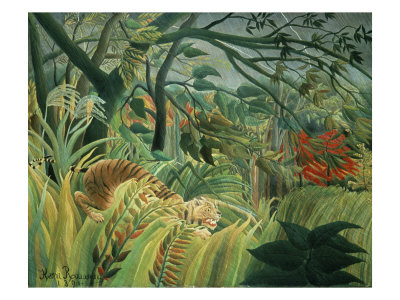
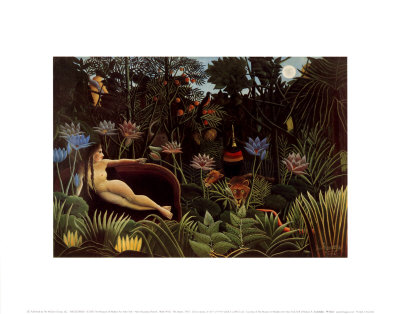
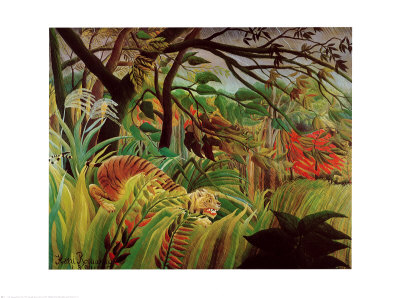
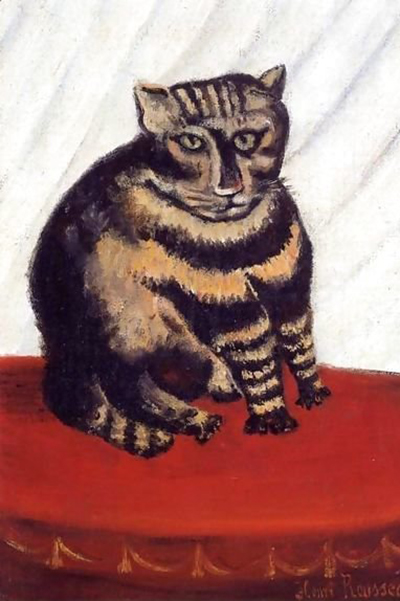
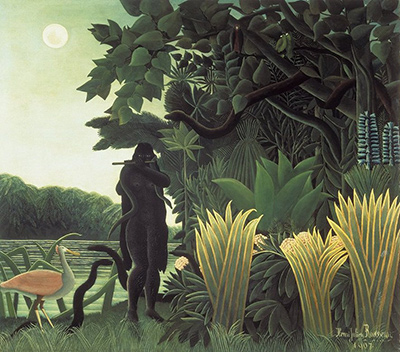
Henri Rousseau, the French painter known for his dreamlike forests and nocturnal scenes, once famously described his art as being born from his imagination alone, requiring no direct study of nature. Capturing this unique spirit of naivety in a modern exhibition setting demands more than simply hanging pictures; it requires a curated environment that allows the viewer to step into the artist's surreal world without the distraction of contemporary realism. Creating a consistent wall display for such works involves balancing the chaotic energy of the brushstrokes with the calm structure of the gallery space. The following guide offers practical strategies to honor the essence of naïve art while ensuring a cohesive visual experience for every observer.
Establishing a Unified Visual Language
The first step in creating a consistent exhibition wall is to define a clear visual language that bridges the gap between the raw, often jarring lines of naïve art and the polished aesthetic of the gallery. Naïve art, or art brut, often lacks the conventional perspective and shading found in academic training, which can sometimes make the work feel unbalanced when hung randomly. To counter this, curators must select mounting methods that elevate the image rather than compete with it. Whether using simple acid-free backing boards or custom-built frames, the physical presentation must feel intentional. If the frames are too ornate, they will draw the eye away from the hand-drawn quality of the original sketch. Conversely, if they are too stark, they may feel disconnected from the vibrant, almost folkloric energy of the subject matter. The goal is a harmony where the frame acts as a gentle border, guiding the viewer's gaze inward toward the fantastical landscapes and urban dreamscape compositions.
Managing Contrast and Lighting Dynamics
Lighting plays a crucial role in revealing the texture and color palette inherent in naïve paintings, which often rely on bold, flat areas of color and unexpected juxtapositions. Consistent illumination across an exhibition wall ensures that no single piece appears darker or lighter than its neighbors due to uneven fixtures. It is essential to avoid mixed color temperatures, such as pairing warm incandescent bulbs with cool LED downlights, as this creates visual noise that disrupts the immersion. Instead, a consistent Kelvin temperature, typically between 2700K and 3000K for art display, mimics the soft, indoor lighting Rousseau might have imagined his subjects existing in. Furthermore, the intensity of the light must be calibrated to prevent glare on glossy surfaces while sufficiently highlighting the subtle textures of pencil or charcoal. By controlling these variables, the exhibition wall becomes a unified space where the viewer can appreciate the nuances of the artist's style without being overwhelmed by technical discrepancies between the works.
Organizing Composition for Narrative Flow
Once the environment is set, the arrangement of the artworks on the wall becomes the primary tool for storytelling. A random scatter of pieces can feel accidental, whereas a deliberate layout creates a narrative thread that mirrors the dream logic of the artist. One effective approach is to group related themes together, such as placing several forest scenes adjacent to one another to create a sense of depth and immersion, while contrasting them with urban nightscapes to show the duality of the world. This thematic clustering helps the audience follow a visual journey through the collection. Additionally, varying the scale and orientation of the paintings can add dynamism to the wall, preventing monotony while maintaining a rhythmic flow. The spacing between pieces should be calculated to allow for adequate viewing angles, ensuring that a person walking past does not lose focus on a distant work. By planning the layout as a cohesive composition rather than a collection of individual items, the exhibition gains a sense of order that complements the inherent chaos of the naïve style.
Creating the Perfect Negative Space
Perhaps the most critical yet overlooked element of a successful naïve art display is the strategic use of negative space. In traditional academic painting, the canvas is often densely filled with detail, but in naïve art, there is often a unique clarity and simplicity that benefits from room to breathe. Curators should resist the urge to pack every inch of the wall with art. Instead, they should leave significant gaps between works, allowing the eye to rest and wander freely. These empty spaces are not merely voids; they are active components of the design that frame the artworks and emphasize their individual character. By treating the wall as a single, large canvas rather than a series of individual pictures, the artist's vision feels more expansive and less crowded. This practice ensures that each piece stands out with its own unique personality, preventing the viewer from becoming fatigued by visual clutter.
Finalizing the Mounting and Hardware
The final stage of preparing the exhibition wall involves the meticulous selection of mounting hardware and the physical attachment of the pieces. For naïve art, which often features delicate lines and potentially fragile paper, it is vital to use archival-quality materials. Acid-free mats and backing boards prevent yellowing over time, preserving the vibrancy of the colors. When attaching the pieces to the wall, ensure that the nails or screws are hidden or minimal, ideally using a flush-mount technique if the framing is substantial. If floating frames are used, the depth of the frame should be consistent throughout the display to maintain a clean line profile. Finally, double-check the balance of each hanging point to ensure the artwork hangs level and does not sway in the slightest breeze from a door opening or AC vent. Attention to these final details guarantees that the technical execution supports the artistic expression, allowing the viewer to focus entirely on the emotional and imaginative impact of the work.
To ensure maximum flexibility and adaptability for any given room, curators should adhere to these fundamental principles during the setup process:
- Select frames with minimal profiles to avoid competing with the artwork.
- Use acid-free materials to protect the integrity of the paint and paper.
- Maintain a consistent color temperature across all lighting fixtures.
- Plan groupings based on thematic connections rather than random placement.
- Incorporate ample negative space to let the art breathe.
- Verify the level of every single piece before the exhibition opens.
- Consider the flow of the room to guide the viewer's eye naturally.
Related reading
- The Digital Brush: Reimagining the Dream World of Rousseau
- The Child in the Jungle: Cultivating the Spirit of Naïve Art
- Finding Your Own Wild Garden: A Guide to Choosing Subjects in Naïve Art
- The Artist's Canvas: Unveiling the Essentials of Naïve Creation
- Unlocking the Surreal Garden: A Guide to Finding Historical Naïve Art for Inspiration