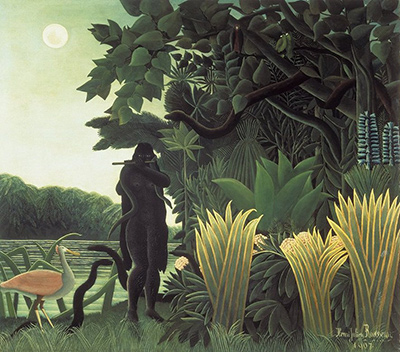
Working on a long-term naïve art project, inspired by the boundless imagination of Henri Rousseau, requires a unique kind of endurance that differs vastly from traditional academic painting. Much like the dreamer who captures the lush, impossible jungles of his mind, the artist must navigate the shifting landscapes of their own creativity without succumbing to exhaustion or despair. This guide offers practical strategies to maintain that vital spark of wonder while sustaining a career dedicated to the raw, unfiltered expression of the naïve style.
Cultivating the Dreamer's Rhythm
The primary challenge in long-term projects is the inevitable wane of initial excitement, a phenomenon often referred to as the "mid-project slump." For an artist, this is not merely a lack of skill but a disconnect from the internal wellspring of inspiration that defines the naïve movement. To combat this, one must adopt a rhythmic approach rather than a linear one. Instead of forcing a continuous, exhausting workflow, schedule periods of intense creation followed by deliberate rest. This mirrors the biological need for sleep and the psychological need for detachment, allowing the subconscious to continue working on the painting while the conscious mind sleeps. By treating the studio practice as a cycle of planting, nurturing, and harvesting, rather than a grueling marathon, the artist can preserve the freshness of their vision. It is crucial to remember that the value of the work lies in the authenticity of the moment, not in the sheer volume of output.
The Sanctuary of Solitude
Henri Rousseau famously painted in his study at the Louvre, surrounded by the grandeur of history yet completely isolated from the modern world. Creating a sanctuary for your own work is essential for maintaining the purity of the naïve aesthetic. In a world of digital noise and constant connectivity, setting up a dedicated physical space where the internet is disconnected and only essential tools are present creates a mental boundary. This isolation is not about arrogance or rejection of the outside world; it is about creating a safe container where the artist's internal logic can operate without external interference. When the environment is controlled, the mind can wander freely into those strange, vibrant, and often illogical realms that characterize the style. The physical act of isolating oneself in a chair, surrounded only by brushes and canvases, signals to the brain that it is time to retreat into the dream state where the true art-making begins.
Protecting the Innocent Eye
A hallmark of naïve art is its innocence, a quality that stems from an uncorrupted perspective on reality. Over time, the artist risks becoming too critical, too analytical, and too aware of technical flaws that belong to academic training rather than the intuitive process. To avoid burnout caused by self-doubt, it is vital to adopt a protective measure: the "innocent eye" filter. When looking at your own work, consciously suppress the urge to critique brushwork or color theory. Instead, ask yourself how the image feels and what story it tells in its own unique voice. If the work feels forced or overly polished in a way that feels artificial, consider it a sign that the internal connection has faded. Burning out often happens when an artist tries to force a naïve style with a critical, academic mindset. By constantly reminding yourself to look with wonder rather than with a dissecting microscope, you keep the energy flowing and the spirit alive.
Strategies for Sustaining the Long Game
To truly survive a multi-year or even multi-decade project, specific tactical habits must be ingrained in the daily routine. The following steps serve as a framework for managing the long haul:
- Embrace the "Small Wins": Break the massive project into tiny, manageable daily tasks. Completing a small section of a background or mixing a single unique color provides a dopamine hit that sustains motivation over months.
- Document the Process: Keep a sketchbook or a journal to record ideas, colors, and thoughts. This externalizes the memory of inspiration, preventing the artist from losing track of where their imagination started and providing a safety net when creative blocks strike.
- Seek Community, Not Comparison: Connect with other artists who understand the naïve tradition, but avoid comparing your slow progress to the rapid success of others. Your timeline is your own, and the depth of your personal expression cannot be measured by the speed of a competition.
- Practice Intentional Irregularity: Schedule days where you do not paint at all. These "off" days are not laziness; they are necessary incubation periods where the mind can rest and the subconscious can reorganize the fragments of the dream.
- Rotate Mediums: If you have been exclusively using oil paints for years, try incorporating watercolor or charcoal. Changing the medium can refresh the tactile experience and offer new sensory inputs that reignite the creative spark.
The Legacy of the Unknown
Ultimately, the goal of such a long-term endeavor is not fame or financial gain, but the creation of a living testament to the human capacity for wonder. By following these paths, the artist remains faithful to the spirit of those who came before, creating works that are as much about the internal landscape as they are about the external world. The journey itself becomes the masterpiece. As long as the dreamer remains awake in their chair, surrounded by their tools, the garden of the mind continues to grow, lush and unexpected, waiting for the next brushstroke to bring a new world into being.
Related reading
- The Digital Brush: Reimagining the Dream World of Rousseau
- The Child in the Jungle: Cultivating the Spirit of Naïve Art
- Finding Your Own Wild Garden: A Guide to Choosing Subjects in Naïve Art
- The Artist's Canvas: Unveiling the Essentials of Naïve Creation
- Unlocking the Surreal Garden: A Guide to Finding Historical Naïve Art for Inspiration