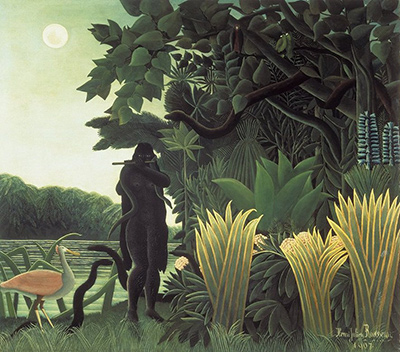
When the vibrant forests of the jungle or the bustling streets of Paris cease to inspire, an artist often finds themselves trapped in a state of creative paralysis, wondering how to reignite the spark that once fueled their imagination. This stagnation is not a permanent condition but a common hurdle that even the most gifted creators face when they cling too tightly to a single subject or style. By deliberately shifting the lens through which we view the world, specifically by embracing the unique, unrefined perspectives found in naïve art, we can discover new pathways to expression and break free from the chains of artistic block.
The Power of the Untrained Eye
Naïve art, characterized by its lack of formal academic training, offers a liberating approach to creativity that allows the mind to wander without the constraints of traditional rules. Unlike classical art which often demands a specific narrative or historical context, naïve themes are frequently driven by immediate emotion, personal memory, or a pure observation of the present moment. When an artist feels stuck, adopting a naïve mindset can serve as a powerful reset button, stripping away technical anxieties and allowing color, shape, and composition to speak directly to the soul. This shift in perspective encourages the artist to look at familiar objects with fresh eyes, transforming the mundane into the magical.
Exploring the Exotic and the Familiar
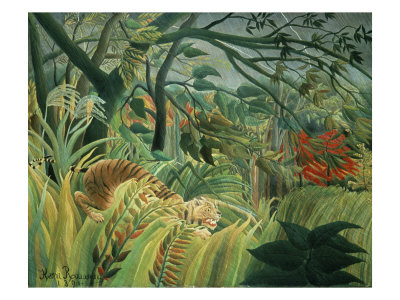
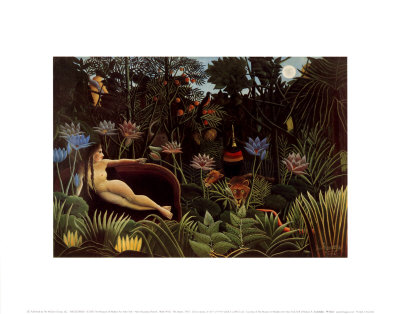
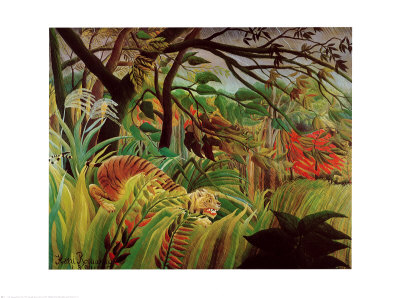
One of the most effective ways to overcome a creative dry spell is to explore themes that the artist has rarely depicted. If your usual practice involves portraits or landscapes, try immersing yourself in the world of the fantastical jungle or the surreal dreamscape. Think of the lush, overgrown vegetation teeming with life, or the peculiar, oversized animals that populate the mind of a child or an outsider. By focusing on these exotic subjects, you force your brain to engage in imaginative problem-solving rather than technical replication. Furthermore, do not underestimate the power of the everyday; finding beauty in the chaotic energy of a market square or the quiet intimacy of a kitchen can yield profound results. The key is to stop trying to paint what you should paint and instead paint what you feel compelled to paint in that specific moment.
Building a Thematic Playground
To systematically integrate these diverse themes into your practice, it is helpful to create a structured environment where experimentation is the norm. You can cultivate a rich source of inspiration by dedicating specific time to research and observe different styles and subjects. Below are several thematic areas that often yield surprising results for artists seeking to break their creative routine:
- The Mythical Forest: Focus on oversized flora, impossible creatures, and lush, dense canopies that ignore the laws of physics.
- Urban Nightscapes: Capture the glowing lights of city streets, the shadows of architecture, and the mysterious figures of the night.
- Pastoral Dreaming: Depict idealized rural life where people seem to float, animals are anthropomorphic, and the seasons are exaggerated.
- Personal Memory Palaces: Revisit childhood memories, old photographs, or significant life events, painting them as if viewing them for the first time.
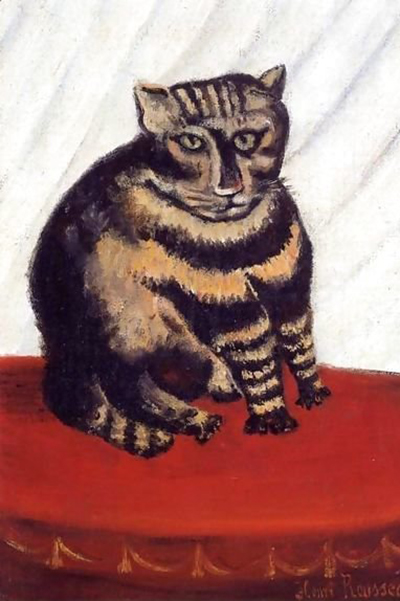
- Animal Kingdom: Observe the behavior of pets or wildlife, but exaggerate their features, sizes, and interactions to create a whimsical reality.
Embracing Imperfection and Experimentation
The essence of the naïve style lies in its willingness to embrace what might be considered "mistakes" in a classical context. A slightly off-center composition, a bold stroke of color that doesn't quite blend, or an anatomical figure that defies logic can be the very element that saves a painting. When blocked, artists often try too hard to be perfect, which leads to stiffness and a lack of soul. By deliberately introducing imperfection into your work, you allow yourself to make mistakes without fear, knowing that these very flaws might become the unique signature of your new piece. This experimental freedom removes the pressure of producing a masterpiece, freeing you to simply create.
Finding Joy in the Process
Ultimately, the cure for artist block is not found in a grand technique or a complex theory, but in the rediscovery of joy in the act of creation itself. When we return to naïve themes, we are often returning to a state of pure play, where the goal is not to replicate reality but to express the internal vision. Whether it is the joy of mixing a bright new color, the excitement of drawing a strange new shape, or the happiness of bringing a forgotten memory to life on canvas, these moments of delight rekindle the fire within. By keeping your thematic horizons wide and your approach open-hearted, you ensure that inspiration never truly fades, waiting instead to bloom in the next bold, colorful stroke.