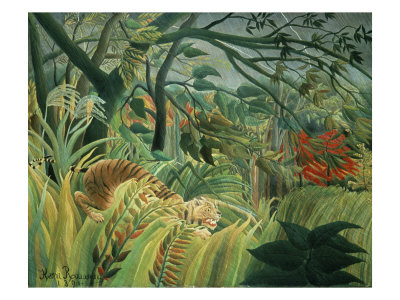
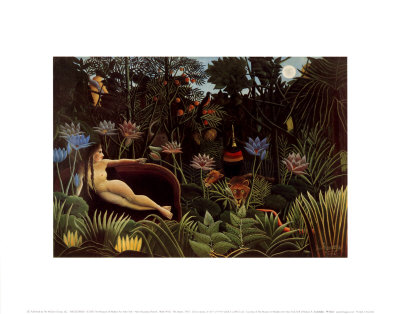
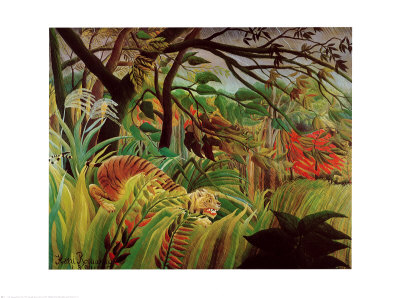
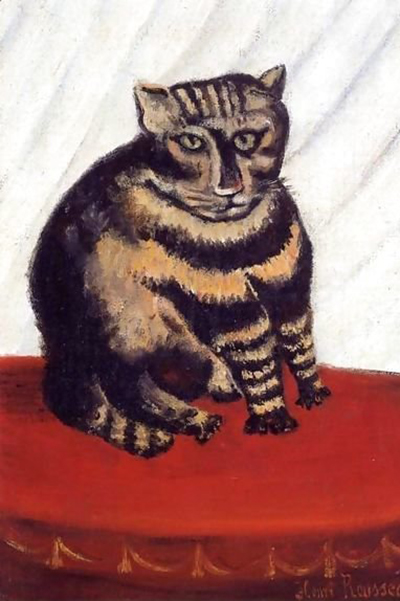
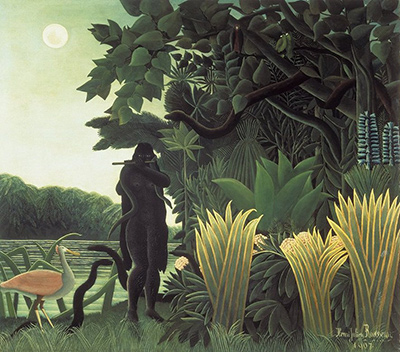
The fear of starting a naive painting project often stems from a desire to create something perfect, a pressure that naive art was explicitly designed to dissolve. By embracing the raw, unfiltered vision of Henri Rousseau, we can learn to paint without worrying about technical correctness, allowing the initial anxiety to melt away under the weight of honest expression. This guide will walk you through the mental shifts and practical steps needed to turn that hesitation into a vibrant, colorful masterpiece.
Embracing The Imperfect Hand
Many beginners hesitate because they have been conditioned to believe that art requires a flawless technique or a masterful grasp of perspective. However, the essence of naive art lies in its authenticity; it is the celebration of the unique, sometimes clumsy, yet deeply personal hand of the creator. When you pick up your brush or pencil for the first time, do not strive to replicate a photograph or adhere to academic rules. Instead, focus on capturing the feeling of the moment, the specific shade of light that hits a window, or the texture of the grass. Your hand does not need to be steady like a clockmaker's; it needs to be honest. The wobble, the smudge, and the accidental splash of color are not mistakes to be corrected but are the very features that make the work feel alive and human.
Re-Framing Your Internal Dialogue
One of the most powerful tools against the fear of starting is the internal narrative you tell yourself while looking at a blank canvas. We often say things like, "I have to get this right," or "This won't look good," which creates a mental barrier before we have even dipped the brush in paint. You must actively reframe this dialogue to something like, "I am invited to experiment," or "There is no wrong way to begin." This shift changes the energy in the room from one of judgment to one of play. Imagine you are sitting in a sun-drenched garden, watching the light dance on leaves, and you simply want to record that feeling on paper. You are not an artist trying to pass an exam; you are a recorder of sensory experiences. This mindset, central to the spirit of naive masters, frees you from the burden of perfection and allows you to dive in with your feet planted firmly on the floor of the unknown.
Finding Your First Subject
Choosing a subject can be daunting, but the best subjects for naive art are often the ones closest to your heart or your immediate environment. They need not be grand historical scenes or complex architectural fantasies; they can be the pebble on your patio, the way the streetlamp flickers at dusk, or the pattern of vines climbing a fence. The key is observation without analysis. Look at your surroundings and ask yourself what makes you pause. Is it the way a cat sits in the corner? Is it the texture of a rough stone wall? Once you identify a subject, stop overthinking the composition. Do not worry about the horizon line being perfectly straight or the proportions being mathematically accurate. In naive art, the emotional truth of the scene matters far more than geometric precision. If a tree looks slightly crooked to you, let the tree look crooked in the painting. Let your perception lead the way, trusting that your eyes see the world as it truly is, rather than as it is technically rendered.
The Process of Building Layers
Once your subject is chosen and your mind is at ease, the physical act of building the image begins. Start with a simple, loose sketch in a light pencil, just to guide your hand. Do not worry about shading or deep contrasts at this stage. Fill your canvas with a wash of color, perhaps a background of soft blues or greens, allowing the pigment to bleed slightly into the edges. This creates a sense of depth and atmosphere that feels organic and inviting. As you work, you are layering colors and forms, much like building a structure brick by brick. Each layer adds a new dimension to your vision, creating a sense of movement and life. Remember that in naive art, bold colors and flat planes are often more effective than subtle gradients. Do not be afraid to use bright, even clashing colors side by side, as this can create a dynamic and energetic scene that feels full of life and joy. The process should feel like a conversation between you and the canvas, where every stroke is a response to the last.
Cultivating Patience And Consistency
Finally, remember that artistic growth is a marathon, not a sprint. The fear of starting is usually followed by the fear of making mistakes along the way, but both can be overcome with patience and consistent practice. It is okay to feel frustrated if a color doesn't look right or if a shape feels off. These moments are opportunities to learn and refine your approach, not reasons to quit. Over time, as you continue to paint, you will find that your confidence grows with every finished piece. You will discover a personal style that is uniquely yours, one that reflects your experiences, your emotions, and your unique perspective on the world. The journey of creating naive art is not about becoming the next famous painter, but about reconnecting with the joy of creation and finding the courage to express your inner world through the vibrant, untamed colors of the canvas.
Here are five essential habits to cement into your daily practice:
- Set a specific, short time limit for your session to avoid burnout.
- Keep a supply of bright, contrasting paints on your palette for instant access.
- Use a textured surface or palette knife to add depth to flat areas.
- Step away from the canvas periodically to let your perspective reset.
- Keep a journal of your feelings during the process to track your emotional arc.