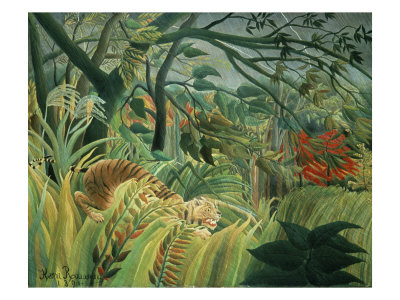
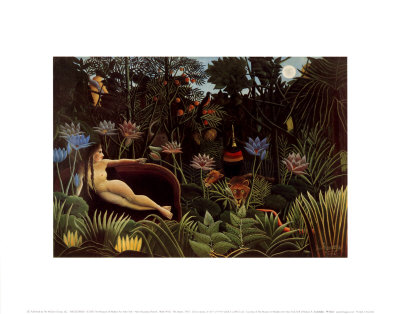
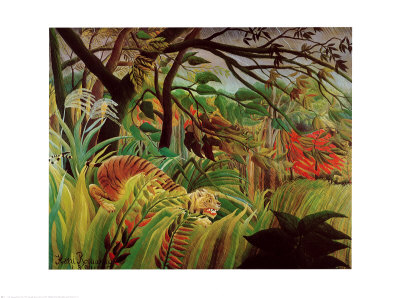
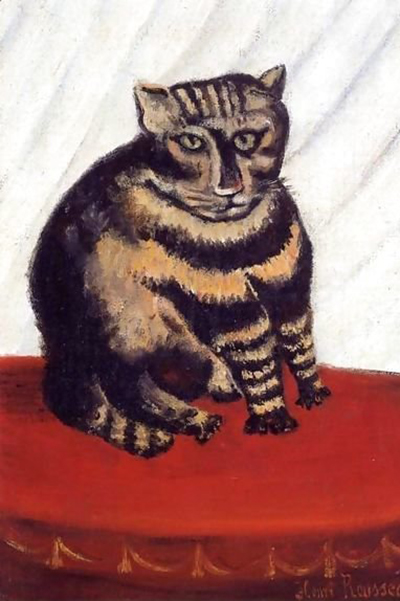
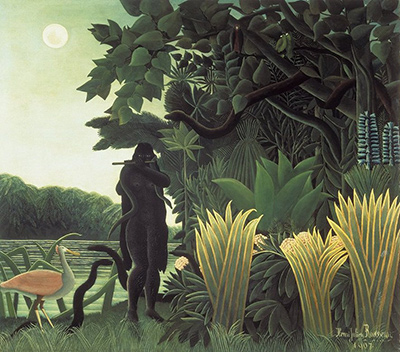
The art world is often filled with complex theories and confusing movements, but two styles frequently get mixed up because they both embrace the unexpected and the dreamlike. Naive art, often associated with the work of artists like Henri Rousseau, appears simple on the surface but hides a profound, unfiltered way of seeing. Surrealism, by contrast, was a highly intellectual movement dedicated to unlocking the unconscious mind through deliberate manipulation and symbolism. Understanding the distinction between these two approaches reveals how artists can either mimic innocence or deconstruct reality to explore the depths of the psyche.
The Essence of Innocence vs. The Mechanics of the Unconscious
At its core, naive art is characterized by a lack of formal training and a direct, unselfconscious approach to depicting the world. The artist sees exactly what they perceive and translates that vision onto the canvas without filtering it through the rules of academic art or psychological theory. This style celebrates the purity of observation, where the world feels new, strange, and magical simply because the artist has never seen it through the eyes of an art school graduate. The emotions are raw and immediate, born from personal experience rather than abstract interpretation.
Surrealism, on the other hand, is not about innocence; it is about calculation and theory. Founded in the early 20th century by figures like Salvador Dalí and Max Ernst, this movement sought to bridge the gap between dream and reality. It uses complex techniques like automatism, frottage, or precise, clockwork imagery to force the viewer to confront irrational connections. While a naive artist paints a forest because they walked through one, a surrealist might paint a forest where trees turn into clocks to represent the anxiety of time and the subconscious.
The Role of Technique and Formalism
When examining the technical execution of these styles, the differences become even more apparent. Naive art often features bold, flat areas of color, slightly distorted perspectives, and simplified forms. There is no attempt to hide the hand of the artist; the brushstrokes are visible, and the composition might lack a traditional horizon line or vanishing point. The "naivety" is not a sign of ignorance, but rather a conscious or unconscious rejection of established norms in favor of a personal, intuitive style. The result is often charming, whimsical, and emotionally resonant in a straightforward way.
Surrealist painting, however, is a masterclass in technique disguised as madness. The work of a surrealist is often hyper-realistic in its details, featuring sharp shadows, precise anatomical structures, and intricate textures that would fool the untrained eye. The genius lies in the juxtaposition: placing unrelated objects together with photographic precision to create a dream logic that the brain struggles to process. The technique is there to serve the idea, to make the impossible look so real that it haunts the viewer.
Visual Language and Symbolism
The language used to convey meaning differs drastically between the two movements. In naive art, symbolism is often literal or folkloric. A bird might represent a specific memory, a flower a seasonal change, or a house a place of safety. The symbols are drawn directly from the artist's environment and personal life. The meaning is accessible; if you understand the context of the painting, you can easily grasp the story being told. It is an art of direct communication, where the artist speaks to the viewer as a friend sharing a secret.
Surrealism employs a much more complex and often cryptic visual language. Symbols like melting clocks, recurring faces, or impossible geometries are drawn from Freudian psychology and dream analysis. These images are not meant to be understood literally but to trigger an emotional or psychological response. The viewer is not told what to think; instead, they are invited to dig deeper into their own subconscious to find the hidden meaning. The art becomes a mirror, reflecting the viewer's own fears, desires, and hidden thoughts rather than just the artist's personal memories.
How to Identify the Style You Are Viewing
Determining whether a piece of art is naive or surrealist can be done by asking specific questions about the artist's intent and the nature of the imagery. Here are a few key indicators to look for when analyzing a painting:
- Check the background knowledge of the creator: Was the artist self-taught or did they have formal training? Naive artists often come from backgrounds with no formal art education, whereas surrealist artists were typically highly educated intellectuals and scientists.
- Analyze the logic of the composition: Does the scene follow the rules of physics and perspective, or does it defy them in a dreamlike manner? Naive art usually follows a simplified version of reality, while surrealism often breaks the rules entirely.
- Examine the emotional tone: Is the emotion one of wonder, simplicity, and direct joy, or is it one of unease, fascination, and intellectual puzzlement? Naive art feels warm and inviting, while surrealism can feel cold, eerie, or unsettling.
- Look at the rendering of details: Are the details rough, simplified, and expressive, or are they hyper-realistic and meticulously crafted? The latter is a hallmark of many surrealist works designed to mimic photography.
- Consider the purpose of the image: Is the image meant to document a personal memory or a view of the world, or is it designed to challenge the viewer's perception of reality and the mind?
By observing these factors, you can begin to separate the innocent gaze from the calculated dream. While both styles push the boundaries of what we consider normal, they do so from opposite directions. One moves outward from a personal, unfiltered experience, while the other moves inward to the complex, chaotic depths of the human mind. Recognizing this difference helps us appreciate the unique contributions of each movement to the history of art.
Related reading
- The Digital Brush: Reimagining the Dream World of Rousseau
- The Child in the Jungle: Cultivating the Spirit of Naïve Art
- Finding Your Own Wild Garden: A Guide to Choosing Subjects in Naïve Art
- The Artist's Canvas: Unveiling the Essentials of Naïve Creation
- Unlocking the Surreal Garden: A Guide to Finding Historical Naïve Art for Inspiration