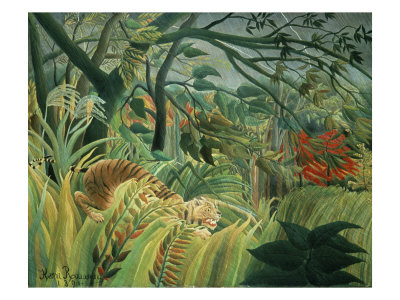
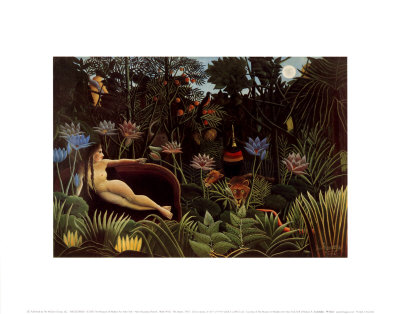
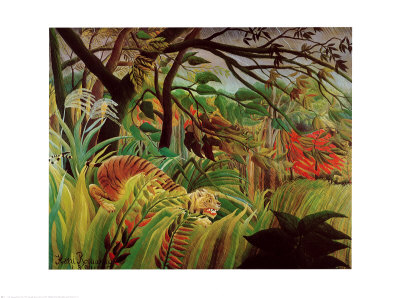
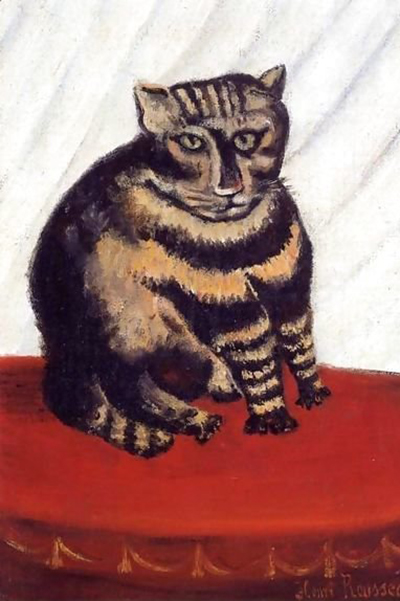
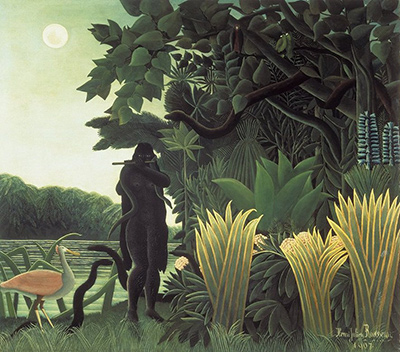
The spirit of Henri Rousseau, known as "The Sleeping Gypsy," invites us to imagine a world untouched by reality, where nature speaks directly through bold lines and vibrant colors. For aspiring artists seeking to emulate this unique style, the right materials are not merely accessories but the very foundation of the dream. In 2024, the landscape of art supply manufacturing offers a diverse array of options designed specifically for those who wish to capture the raw, untamed beauty of the forest or the chaotic energy of the city without the constraints of photorealism. Selecting your palette is the first step in unlocking the magical potential of naive art.
The Foundation of Color and Light
Before purchasing a physical set, one must understand the philosophical approach to color that defines the Rousseau style. His works often feature a limited but intense palette, where greens, blues, and ochres dominate the canvas. The watercolors you choose should support this intensity rather than dilute it. High-quality pigment is essential because naive art relies on layering colors to create depth and texture. When you layer a thin wash over a dry one, the interaction between the pigments creates a luminosity that cheap, dusty watercolors simply cannot achieve. Look for sets that include a variety of transparent glazes, as these allow light to pass through the paper, mimicking the dappled sunlight found in Rousseau's jungle scenes.
Choosing the Right Paper Texture
The surface upon which you paint is just as critical as the paint itself. Naive artists often work with a looser brushstroke, allowing the hand to guide the stroke rather than the precision of the tip. Standard heavy-weight paper might be too smooth, causing the paint to sit too flat and lose the textural quality of moss, leaves, or birds. In 2024, many studios have turned to cotton-blend papers with a textured surface, often described as "cold press" or even "rough." This texture holds the pigment in grooves, creating a subtle grain that adds depth to flat areas of color. It prevents the water from sliding off the page too quickly, giving you more control over the flow of water while still maintaining the fluidity needed for washes.
Selecting Your Brush Collection
Your brushes are the instruments through which your vision becomes visible. For the naive style, a variety of sizes is more important than the most expensive brand. You need a wide range of round brushes, from very fine tips for detailing the eyes of birds or the veins of leaves to larger, flatter brushes for covering large areas of sky or water. The flexibility of the bristles matters greatly; they should bend easily to create soft edges where colors meet but snap back quickly to hold their shape when you lift them. A set that includes synthetic brushes is often preferred in 2024 because they are easier to clean and maintain their shape over time, ensuring your brushes are ready for your next burst of inspiration.
Curating the 2024 Palette
When building your watercolor set, focus on quality over quantity. Instead of filling your box with fifty colors that you will rarely use, curate a collection of around fifteen to twenty hues that cover the primary and secondary spectrum plus essential earth tones. The goal is to have the ability to mix a wide range of shades without needing a separate tube for every possible color.
Here is a recommended breakdown for a beginner's naive art set:
-
A bright, saturated lemon yellow for sunlit leaves and flowers.
-
A deep, rich forest green for shadows and dense foliage.
-
A vivid cerulean blue for the sky and water.
-
An earthy ochre or sienna for paths, soil, and autumnal tones.
-
A crisp white for highlights and moonlight effects.
-
A range of blacks and browns for defining the outlines of birds and animals.
-
A mid-tone green for mid-ground vegetation.
-
A muted gray-blue for distant mountains or twilight skies.
-
A vibrant red or magenta for flowers or autumn leaves.
-
A deep ultramarine for night scenes or deep shadows.
-
A warm sienna for warm sunlight hitting the ground.
By including these key colors, you will have enough flexibility to recreate the complex color relationships found in Rousseau's paintings while keeping your supplies manageable.
Preserving the Spirit of the Work
Finally, consider the longevity of your art. Once you have mastered the technique of layering and glazing, your work will remain a beautiful, living piece of art. Proper storage of your paints and brushes is essential to prevent them from drying out or developing mold. Keep your watercolors in a cool, dry place, and ensure your brushes are rolled in paper towels and stored upright immediately after use. This discipline respects the medium and ensures that you can return to your creations whenever the urge to paint a dreamlike forest strikes. With the right tools and a clear understanding of the style, you can step into the world of Henri Rousseau and create your own unique, unforgettable landscapes.