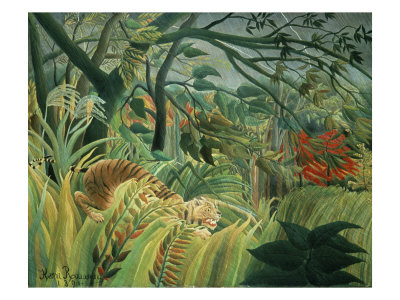
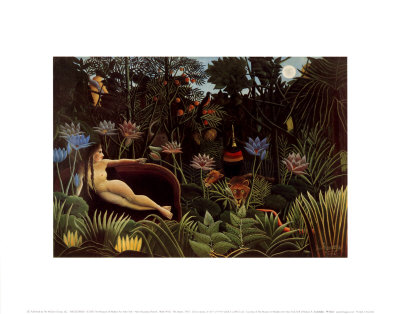
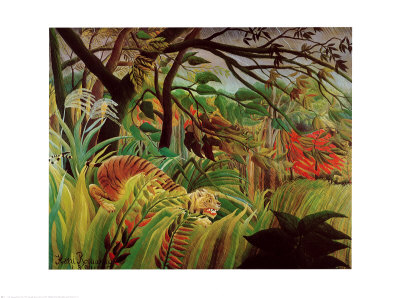
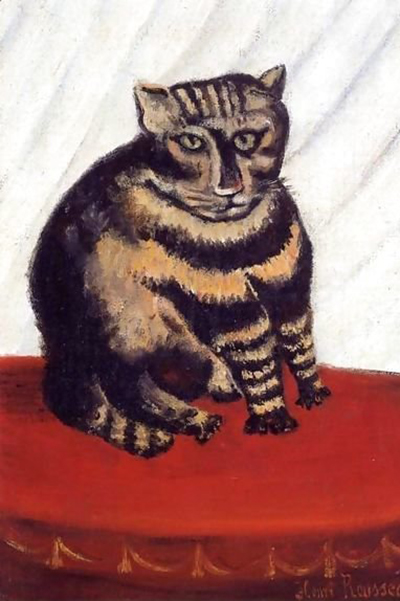
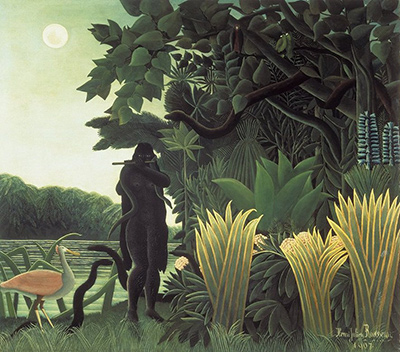
Creating the dreamlike, flattened perspectives and vibrant, unblended colors characteristic of Henri Rousseau's work requires a specific set of artistic tools. While traditional academic watercolorists often reach for fine-point brushes, the unique aesthetic of naive art demands a different approach that prioritizes texture and bold strokes over delicate realism. Selecting the right instruments is not merely about preference; it is fundamental to capturing the raw energy and distinct visual language found in these iconic paintings. This guide explores the specific brushes needed to replicate that signature style effectively.
Understanding the Naive Watercolor Approach
To understand the brushwork required for this medium, one must first abandon the concept of "wet-on-wet" blending that defines traditional watercolor. In naive art, edges are often hard, and colors sit flat against the paper without soft transitions. This technique relies heavily on the physical properties of the brush tip and the way the bristles hold moisture. The goal is to apply paint in thick, deliberate patches that suggest form through color and line rather than through shading and volume. Therefore, the choice of brush is dictated by the need for control, opacity, and the ability to create distinct, separate marks on the canvas.
Selecting the Right Materials for Bold Strokes
The foundation of any successful naive watercolor set is the brush itself, specifically the size and the type of bristles used. Artists should not be afraid to use large sizes; in fact, they are often essential. A large flat brush allows the painter to lay down broad washes of color quickly, mimicking the expansive skies or dense foliage often seen in Rousseau's forests. However, this is not the only tool required. To achieve the intricate details of flowers, birds, or the specific patterns on exotic animals, a smaller brush with a pointed tip is necessary. The magic of this style lies in the juxtaposition of these two extremes: the sweeping, confident strokes of the large brush against the precise, almost childish lines of the smaller one.
The Critical Role of Bristle Type
When choosing between synthetic and natural hair brushes, the decision should be guided by the specific texture of the watercolor pigment and the desired finish. Synthetic brushes, particularly those made from nylon or polyester, offer superior durability and consistency. They do not absorb water into the bristle core, allowing for a more immediate release of paint onto the paper. This property is incredibly useful for the "dry-on-wet" or "wet-on-dry" techniques often employed in naive art, where colors are placed side-by-side without blending. Natural hair brushes, while softer and capable of creating beautiful, diffused edges, can sometimes be too forgiving for the hard lines required in this style. For the artist seeking the raw power of Rousseau's work, a high-quality synthetic brush provides the necessary rigidity to hold its shape while applying thick, opaque layers of paint.
A Practical Toolkit for Your Studio
To build a functional collection for practicing this specific style, one should curate a set of brushes that covers the range from the broadest washes to the finest details. Here is a recommended lineup to get you started immediately:
- A large flat synthetic brush (size 12 or 14) for laying down background washes and broad blocks of color.
- A medium flat brush (size 6 or 8) for defining shapes and creating intermediate strokes.
- A small round brush (size 2 or 3) for adding texture to leaves, petals, and foliage.
- A fine liner brush (size 0 or 00) for outlining small details like insect wings or the eyes of birds.
- A wash brush (size 10) specifically for diluting pigments and applying thin, transparent layers if needed.
Technique: Applying the Brush for Maximum Impact
Once you have your tools, the technique of application becomes paramount. The brush should be loaded generously with paint, ensuring that the bristles are fully saturated but not dripping. When laying down a wash, do not drag the brush too much across the paper; instead, press down firmly and lift quickly. This action creates the clean, hard edges that are so characteristic of naive art. If a soft gradient is needed, blend only slightly while the paint is still very wet, but often, the lack of blending is the point. The texture of the paper also plays a role; a slightly rougher surface can help the paint sit more firmly, preventing it from running into unintended areas and maintaining the separation of colors.
Final Thoughts on Artistic Freedom
Ultimately, the choice of brush is secondary to the artist's willingness to experiment and embrace the flaws of the medium. The beauty of naive art, inspired by figures like Henri Rousseau, lies in its honesty and lack of pretension. By using brushes that allow for bold, unblended marks, the artist can tap into a direct, emotional expression that transcends technical perfection. Whether you are capturing the mystery of a jungle or the tranquility of a coastal scene, the right tools will empower you to create a visual world that feels both vibrant and timeless.