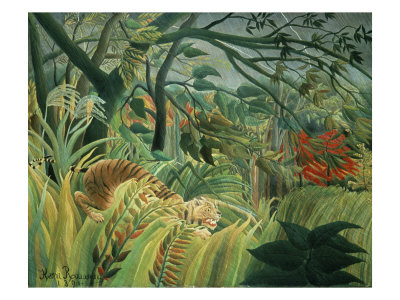
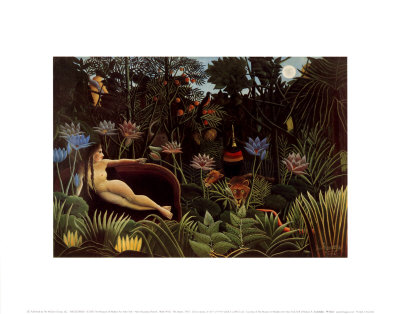
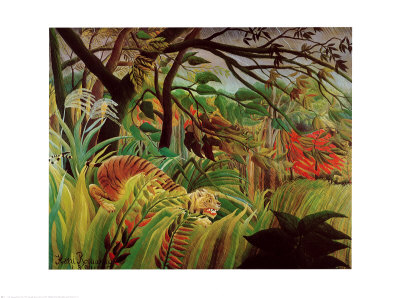
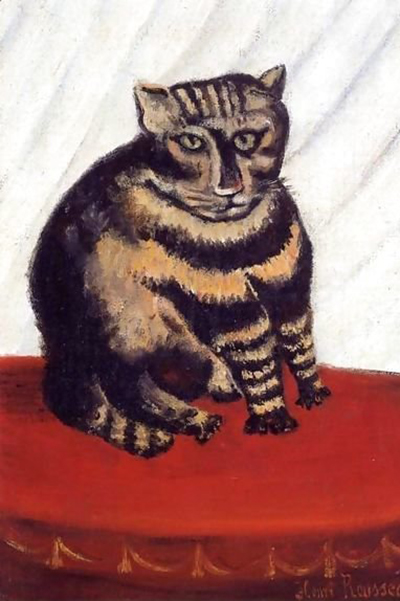
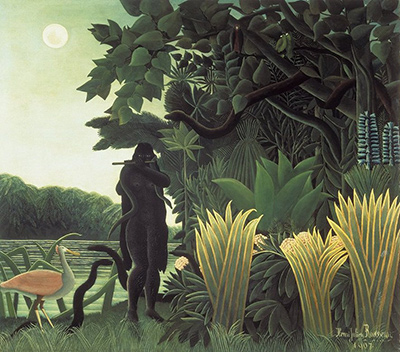
Henri Rousseau never stepped foot in a botanical garden, yet his paintings seemed to bloom with an impossible, dreamlike vitality. To replicate his unique visual poetry without access to a professional studio or expensive pigments is not only possible but deeply rewarding, as it forces the artist to rely on imagination and essential observation rather than technical perfection. This guide walks you through the creation of a still life that mimics the spontaneous, childlike wonder of his famous flower compositions using only the simplest materials found in any home.
Gathering the Elements of Illusion
The foundation of any naive art piece lies in the selection of your "materials," which in this context refer to both physical supplies and the mental images you bring to the canvas. You do not need a full palette; a single tube of white gouache or a box of colored pencils can suffice if you understand how to mix and layer. Begin by finding a flat, light-colored surface, such as a piece of white paper or a small canvas, which serves as the stage for your imaginary garden. The goal is not to capture a flower exactly as it exists in nature, but to evoke the feeling of a memory or a daydream where colors are brighter and forms are softer than reality.
Mixing the Mood with Minimal Pigments
Once you have your surface prepared, the next step is to create a limited yet expressive color range. Instead of mixing dozens of shades, focus on three or four dominant hues that represent the specific mood you wish to convey. For instance, if you are painting a sunny meadow, you might mix a bright yellow, a soft peach, a deep green, and a touch of sky blue. Use a small container of water to dilute your paints, creating a wash that allows colors to bleed slightly into one another, mimicking the way light filters through leaves in Rousseau's work. This technique prevents harsh lines and creates a soft, hazy atmosphere that is characteristic of the movement, allowing the viewer's mind to fill in the gaps with their own memories of nature.
Constructing the Abstract Form
With your colors ready, you can now begin the process of drawing, but remember that naive art often bypasses the strict rules of perspective. Instead of trying to draw a perfect flower with realistic proportions, think in terms of shapes and feelings. Start with a simple circle or oval to represent the center of your bloom, and then add curved strokes for the petals. Do not worry about symmetry or botanical accuracy; the lines should feel loose, confident, and slightly irregular, as if the artist is listening to the plant speak. If you use pencils, press lightly to create a sketch that feels like a quick thought captured on paper. If you are using paint, apply broad, sweeping strokes rather than detailed outlines. The beauty of the image lies in its simplicity, where every mark adds to the overall harmony rather than competing for attention.
Assembling the Composition on Paper
The final assembly involves placing these individual elements into a coherent arrangement that feels balanced yet chaotic, much like a wind-swept garden. You do not need to draw a vase or a table; often, the flowers will simply appear to grow directly out of the bottom edge of the paper, defying gravity. Arrange your shapes so that there is a sense of rhythm, perhaps a repeating pattern of petals or leaves, but vary the sizes and angles to maintain interest. If you are working with a list of specific steps to ensure success, consider the following approach:
- Sketch a rough outline of your main subject in the center of the page.
- Fill in the background with a very light wash of color to suggest depth without detail.
- Layer your main colors over the sketch, letting the edges of the colors blend softly.
- Add small accents or highlights in a contrasting color to make the flowers "pop" forward.
- Step back and view the piece from a distance to ensure the overall shape and balance feel right.
By following this structured yet free-spirited process, you will create a work that honors the spirit of Henri Rousseau, capturing the magical essence of nature with limited means and an open, imaginative heart. The result is not a mere reproduction of a flower, but a portal into a world where imagination reigns supreme.
Related reading
- The Digital Brush: Reimagining the Dream World of Rousseau
- The Child in the Jungle: Cultivating the Spirit of Naïve Art
- Finding Your Own Wild Garden: A Guide to Choosing Subjects in Naïve Art
- The Artist's Canvas: Unveiling the Essentials of Naïve Creation
- Unlocking the Surreal Garden: A Guide to Finding Historical Naïve Art for Inspiration