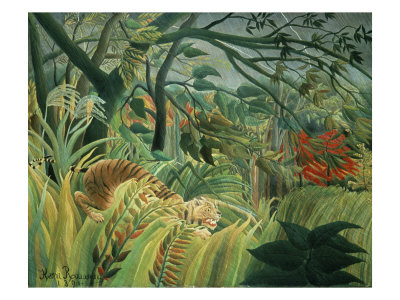
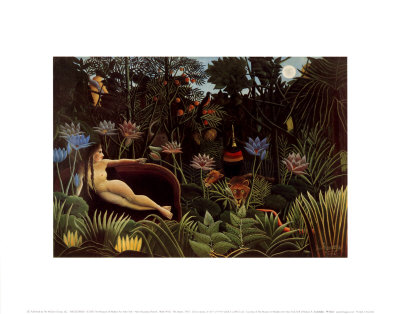
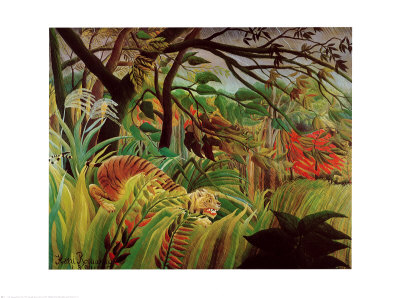
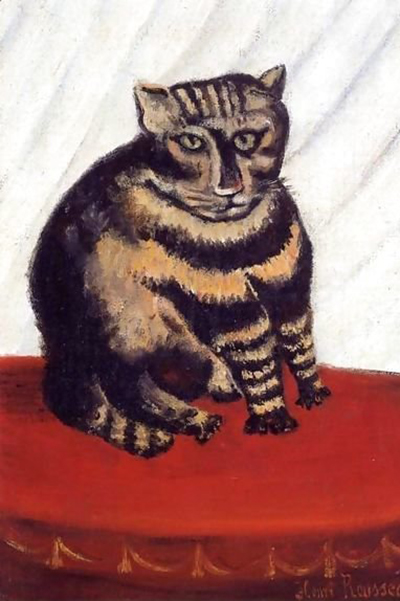
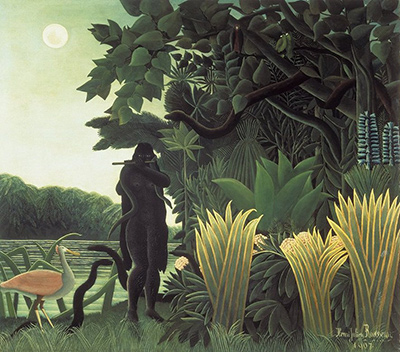
The light in a painting is not merely a physical phenomenon captured on canvas; it is the soul of the scene, the breath of the artist, and the primary tool Henri Rousseau wielded to transport viewers into his imaginary worlds. In the realm of naïve art, light behaves differently than in academic realism, often defying the laws of physics to create a sense of magical immediacy and emotional truth. By understanding how seasonal shifts alter the quality, direction, and color of this light, artists and enthusiasts can better emulate Rousseau's distinctive style, capturing the unique atmosphere of spring, summer, jones, and autumn in their own landscapes.
The Ethereal Glow of Spring and Early Summer
When the days begin to lengthen and the earth awakens, the light possesses a soft, diffused quality that is perfect for establishing a sense of renewal. In the spring and early summer scenes that define much of Rousseau's work, the sun is rarely a harsh, piercing orb but rather a gentle presence that bathes the jungle or the garden in a hazy, luminous mist. This period demands a technique where edges are soft and colors are blended with a sense of fluidity, avoiding hard outlines that might suggest a rigid reality. The artist must focus on the interplay of shadows and highlights that suggest rather than define, allowing the viewer's imagination to fill in the details of the blooming foliage. The light here feels almost tangible, a warm breath that pushes back the darkness of winter, creating a vibrant yet dreamlike atmosphere where the boundaries between the foreground and background blur seamlessly.
The Golden Intensity of Mid-Summer
As the heat rises and the days reach their zenith, the light becomes sharp, direct, and intensely saturated. This is the season where Rousseau's jungle scenes truly come alive, with the sun acting as a spotlight that carves out distinct planes of color. The challenge in capturing mid-summer light is to render the brilliance without making the image appear flat or overly graphic. One must pay close attention to the high contrasts between the brilliant highlights on the leaves and the deep, cool shadows beneath the canopy. The light here has a sculpting quality, emphasizing the texture of the bark and the veins of the leaves. It is a time to use bold, unmixed strokes of color to capture the raw energy of the season, letting the light bleed across the canvas to create a sense of movement and vitality that is characteristic of the naive aesthetic.
The Art of the Hidden Sun
While the sun is often visible in the skies of Rousseau's paintings, it is equally important to understand how to depict it when it remains obscured by the dense foliage or heavy rain. In these scenarios, the light does not disappear; it changes character, becoming a source of reflection and atmosphere.
- Observe how the sky reflects off wet leaves or glass surfaces, creating secondary sources of light.
- Use cooler, bluer tones to indicate the presence of the sun even when it is not directly seen, suggesting the direction of the light source.
- Pay attention to the way shadows stretch and elongate during the early morning or late evening, adding a sense of time and narrative to the scene.
- Remember that in naïve art, the light can be more about mood than physics, so do not hesitate to exaggerate the brightness of the highlights to convey the emotional impact of the season.
The Cool Ambience of Late Summer and Early Autumn
As the heat begins to break and the colors of the leaves start to turn, the light undergoes a subtle transformation, shifting from the warm golds of summer to the cooler, more complex hues of autumn. This transitional period offers a rich opportunity to experiment with a wider range of colors, moving beyond the simple greens and ochres of the summer months. The light in late summer and early autumn often has a golden-hour quality that lingers later into the day, casting long, dramatic shadows that add depth and drama to the composition. The artist should focus on the changing palette, introducing hints of crimson, amber, and russet into the shadows and mid-tones. This season invites a more contemplative approach to painting, where the light feels more intimate and less overwhelming than the blinding sun of mid-summer.
The Dramatic Shadows of Late Autumn and Winter
In the colder months, the light becomes cooler, bluer, and more directional, often appearing to come from a lower angle in the sky. This creates stark contrasts and deep, defined shadows that give the landscape a sense of volume and weight. While Rousseau's winter scenes are less frequent than his tropical ones, they exist and require a different handling of light to avoid making the painting feel too dark or gloomy. The key is to balance the coolness of the light with warm accents, perhaps from a hearth fire or the lingering warmth of the earth under the snow. The light in winter acts as a sculptor, emphasizing the shapes of the trees and the texture of the ground. Capturing this season requires a mastery of value contrast, using the deep shadows to create a sense of mystery and the bright patches of reflected light to provide a sense of hope and life continuing beneath the surface.
By mastering the seasonal variations in light, one can truly step into the shoes of a master of the genre. Whether it is the hazy glow of spring, the blazing intensity of summer, or the cool drama of winter, the light remains the constant thread that ties these diverse moods together, proving that in naïve art, the way we see the world is just as important as the world itself.