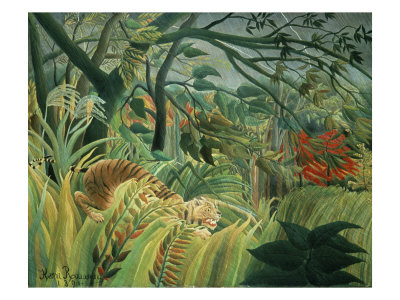
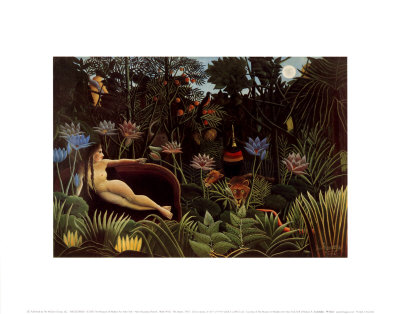
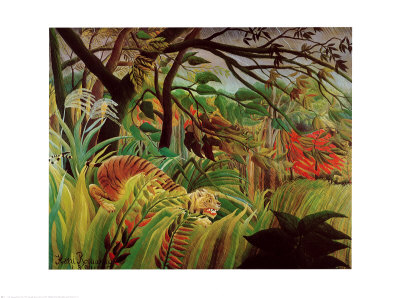
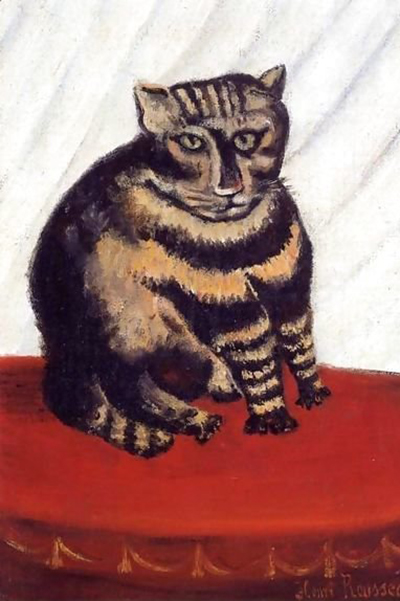
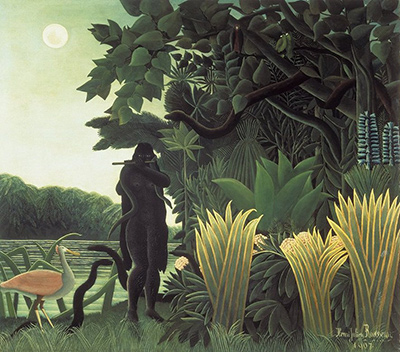
Painting nature requires a deep understanding of how light, shadow, and color shift with the changing seasons, a truth that Henri Rousseau mastered with his unique, dreamlike vision. Whether capturing the vibrant awakening of spring or the stark, quiet stillness of winter, the artist must select a palette that not only reflects the environment but also conveys the specific emotional temperature of the moment.
The Vibrant Awakening of Spring
Spring in Rousseau's imagination is a riot of chaotic, joyful life, where frozen soil suddenly bursts into bloom. The artist begins by establishing a background of warm, earthy tones like ochre, burnt sienna, and raw umber to represent the lingering warmth of the winter sun on the ground. Over this base, layers of bright cerulean blue and lime green are applied to suggest the sudden explosion of foliage.
In these scenes, the light is often depicted as golden and directional, casting long, soft shadows that add depth to the composition. The flowers themselves are rendered with thick, impasto brushstrokes, allowing the texture of the petals to stand out against the smoother leaves. It is a palette of high contrast and saturation, designed to evoke a sense of urgency and renewal. The sky might shift from a pale, hazy blue to a brilliant, almost electric azure, mirroring the clear, crisp air of the season.
Mastering the Light of Early Growth
The challenge in painting spring lies in balancing the brightness of new growth with the shadows of receding winter debris. One must avoid making the colors so saturated that they lose unity. The key is to use complementary colors, such as orange and blue, to create vibrancy without overwhelming the eye.
To achieve this balance, consider the following approach to your mixed media or oil paints:
- Start with a mid-tone green as your core color for the foliage, then build outward with lighter yellows and deeper forest greens for depth.
- Use touches of pink or coral in the underglaze to simulate the blush of dawn breaking over budding branches.
- Apply dry brush techniques with white or light grey to create the illusion of frost melting off leaves, adding a tactile quality to the wet paint.
- Ensure that the shadows are not just black, but contain hints of purple or blue to reflect the coolness of the air against the warmth of the sun.
- Leave small patches of unpainted canvas or use a thick layer of white to represent the sun's direct glare on petals, enhancing the luminosity of the scene.
The Monochrome Solitude of Winter
Winter presents a different narrative, one of silence, isolation, and introspection. Rousseau often depicted winter not as a time of despair, but of quiet beauty, where the world is stripped down to its essential forms. The palette here shifts dramatically towards cool, muted tones. Dominant colors include slate grey, charcoal, alabaster white, and a deep, cool navy blue.
The light in winter paintings is often diffuse and ethereal, creating a soft, hazy atmosphere rather than the sharp shadows of spring. Snow is rarely rendered as a flat white surface; instead, it is suggested through the interplay of light and shadow, with subtle variations of pale grey and icy blue to imply texture and volume. The ground beneath is often a mottled mix of brown and grey, showing the patches of snow that cling to the earth.
The Texture of Winter Light
Capturing the feeling of winter requires a shift in technique as much as a change in color. The smooth, matte finish of a winter scene contrasts with the textured, energetic strokes of spring. The artist should use thinner glazes to create that hazy, atmospheric quality that defines a cold day. Thick paint can sometimes look too harsh and cold, so blending is essential.
The shadows in winter are deep and heavy, often absorbing the light rather than reflecting it. This creates a sense of weight and stillness in the composition. The artist must remember that even in a snowy landscape, there is often a hint of warmth—the sun trying to penetrate the cold air, or the breath of the subject visible in the crisp air. These details add a layer of realism and emotional resonance to the otherwise cold palette.
Blending the Seasons
Ultimately, the most sophisticated paintings of nature do not rigidly separate spring from winter but show the transition between them. A single canvas can depict the last snow melting into a pond where cherry blossoms begin to float, bridging the gap between the two extremes.
This transitional period offers the most complex color theory to apply. The palette becomes a study in contrasts: the cool blues and greys of the remaining snow are balanced by the emerging warm pinks and greens of the new life. The artist must be careful not to let the warm colors overpower the cool ones or vice versa, maintaining a delicate equilibrium that reflects the delicate balance of the natural world.
Whether capturing the frenetic energy of spring or the serene silence of winter, the goal remains the same: to translate the invisible feeling of the season into visible color and form. By understanding the specific requirements of each season's light and shadow, the painter can create works that resonate with the viewer, evoking the same sense of wonder and connection to the natural world that Rousseau inspired.