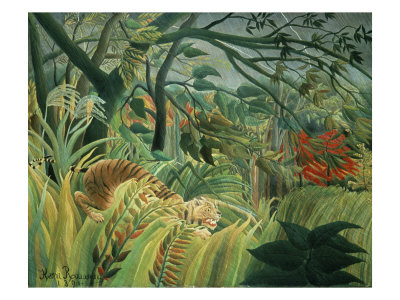
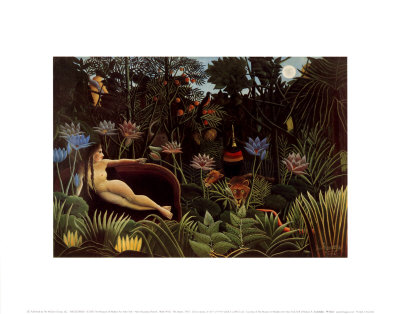
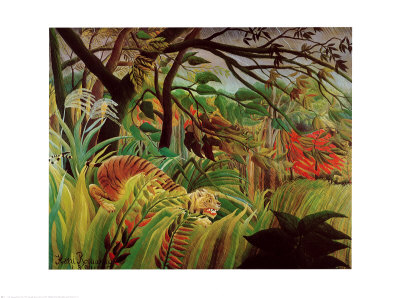
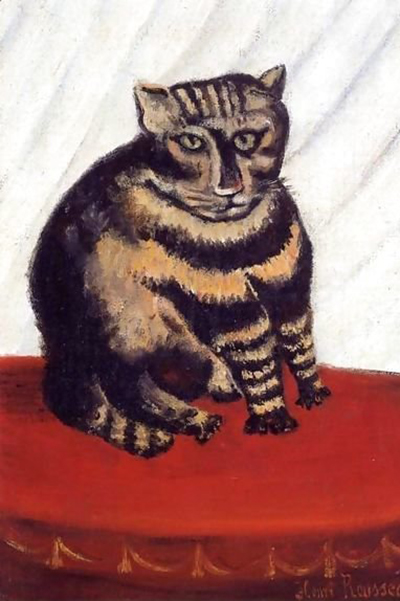
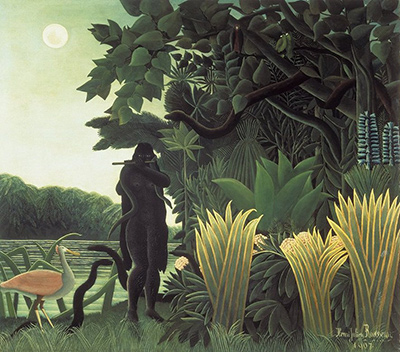
Embracing the harsh beauty of winter in a painting requires a unique mindset, one that prioritizes the spirit of the season over photorealistic perfection. Just as Henri Rousseau found magic in the chaotic stillness of his jungle scenes, a naive approach to winter allows the artist to translate the profound silence of snow into bold, simplified forms that resonate with the soul. This guide explores how to capture the essence of a frozen landscape using the distinctive, unlearned techniques that define naive art.
The Power of Imperfection
When approaching a winter scene with a naive sensibility, the goal is not to mimic the soft, diffused light of a snowy day with academic precision. Instead, focus on the stark contrast between the white expanse and the dark silhouettes of trees and buildings. In naive art, the brushstroke often tells the story more than the final polished image. Use thick, textured applications of paint to represent the cold, crystalline quality of frost. Do not worry about blending edges too smoothly; let the roughness of the canvas and the texture of the paint evoke the biting chill of the air. The viewer should feel the cold through the visual texture rather than just seeing a picture of snow.
Essential Color Palette for Winter
To successfully render a winter scene, you must select a restricted palette that enhances the feeling of cold and isolation. The most common mistake is adding too many colors, which disrupts the serene atmosphere. Stick to a limited range of hues that can be mixed to create depth without complexity.
- Dominant White: Use pure white or slightly off-white for the snow, avoiding gray unless the light is very dim.
- Deep Blue and Violet: Mix these with white to create the cool, shadowy areas under tree branches or in the valleys.
- Burnt Sienna or Ochre: Use small dots or patches of these warm earth tones to represent the bare branches of trees, providing a necessary contrast against the white.
- Charcoal Gray: This can be used for the darkest shadows, representing the depth of winter forests.
- Black: A bold black is essential for defining the shapes of houses, fences, and dead trees, creating strong graphic elements.
By adhering to this limited spectrum, you force the eye to focus on the shapes and the emotional impact of the scene rather than getting lost in intricate details.
Simplifying Forms and Shapes
In the naive style, complex natural forms are reduced to their most basic geometric equivalents. A snow-covered pine tree might not be rendered with thousands of individual needles; instead, it becomes a cluster of jagged, black triangles or rough, dark blobs against the white background. Similarly, a snowman should not be a perfect sphere but rather a collection of uneven, lumpy shapes that suggest solidity and weight. This simplification mimics the way the human eye processes a landscape when it is too bright or too bright and cold to see fine details. The viewer fills in the gaps with their own imagination, completing the picture in their mind.
Embracing Flatness and Lack of Perspective
One of the defining characteristics of naive art is the rejection of traditional linear perspective and atmospheric haze. In a winter scene, try to keep the foreground and background at similar visual weights. Do not attempt to make distant houses look tiny or hazy just because they are far away. Instead, place them with the same boldness as the trees in the front. This flatness creates a dreamlike quality, suggesting that the world outside the window is a frozen memory or a static moment in time. The lack of depth focuses the viewer's attention on the emotional resonance of the cold rather than the spatial arrangement of the objects.
The Role of Narrative and Mood
Finally, remember that a naive painting is often driven by the artist's inner narrative rather than an external observation. Winter is a time of waiting, of stillness, and sometimes of loneliness. Ask yourself what the painting is trying to say about the season. Is it a peaceful sleep under a heavy blanket of snow? Is it a frantic activity of a child playing in the deepening dark? Or is it a stark reminder of the silence that falls over the world? Let these questions guide your brushstrokes. Do not be afraid to leave blank spaces on the canvas, representing the vast, empty sky or the untouched snow where no foot has printed a mark. These negative spaces are as important as the painted elements, contributing to the overall feeling of quietude and isolation that defines the winter experience.