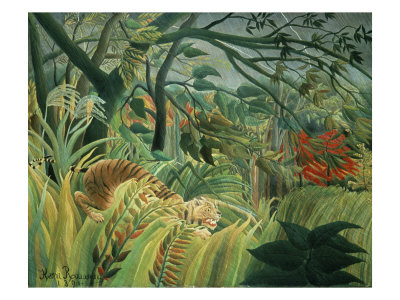
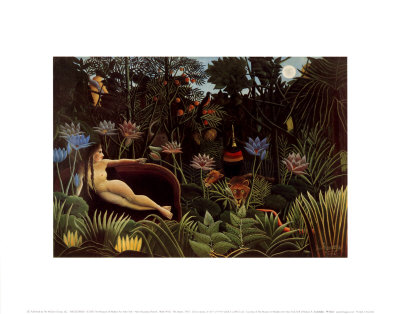
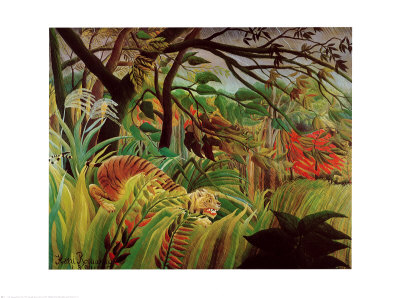
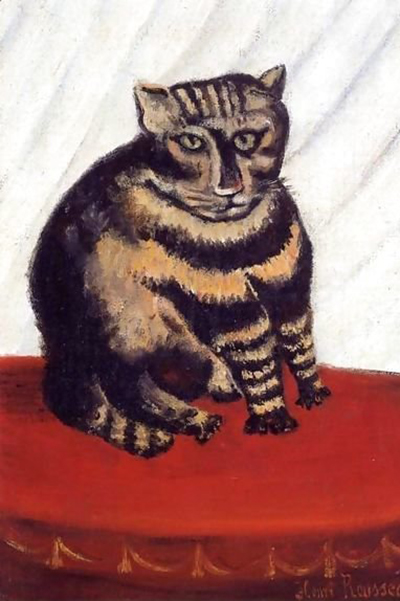
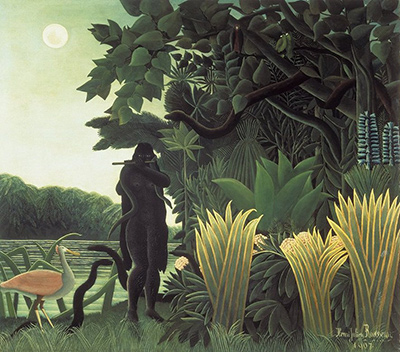
To capture the soul of autumn in the style of Henri Rousseau is to invite the viewer into a world where time stands still and the light behaves like liquid gold. Rousseau did not merely paint what he saw; he painted the feverish, rhythmic sensation of his imagination reacting to the changing seasons, transforming ordinary woodland scenes into dreams of vibrant life. This guide will help you translate that unique, hallucinatory vision of fall into your own brushstrokes.
Understanding the Rousseau Atmosphere
Before touching a brush, one must internalize the specific quality of light that defines Rousseau's work, particularly his later autumnal landscapes. His light is never flat or photographic; it is a constructed, emotional entity that feels both intense and ethereal. In his compositions, the sun often hangs low, casting long, dramatic shadows that seem to stretch across the canvas with a sense of urgency, while the colors themselves vibrate with an unnatural saturation. To achieve this, you must stop thinking about realistic representation and start thinking about the feeling of the season. The goal is to create a space that feels slightly detached from reality, where the leaves do not just turn brown but burn with a desperate, joyful intensity.
The Palette of Burnt and Bright
Rousseau's color theory was as much about contrast as it was about harmony. In his autumn paintings, the deep, earthy tones of the foliage are often juxtaposed against startlingly bright highlights, creating a visual tension that keeps the eye constantly moving. He rarely mixes colors smoothly; instead, he places distinct patches of color next to each other, allowing the viewer's eye to blend them mentally. This technique is crucial for capturing the specific light of the season. You should consider using a palette dominated by ochres, burnt siennas, and deep crimsons, but always punctuated with a burst of electric yellow or a stark, almost blinding white that suggests the sun's direct glare hitting the leaves. This high-contrast approach mimics the way the light filters through thick canopy layers, creating pockets of intense illumination amidst the gloom.
Mastering the Dappled Effect
The most iconic feature of Rousseau's autumn scenes is the treatment of the forest canopy. He depicted light breaking through the leaves in a way that looks almost impossible to photograph, creating a mosaic of dappled shadows and sharp highlights. To replicate this, focus on the interplay between the dark, heavy branches and the bright, scattered light spots on the ground. Do not smooth out the transitions between light and shadow. Instead, use short, jagged strokes to create a texture that feels crisp and brittle, much like dry autumn leaves. The light should appear to be coming from a specific, singular source, casting sharp angles and creating a sense of direction that guides the viewer's gaze through the composition. This "dappled" quality is what gives the scene its dreamlike quality, making the forest feel alive and breathing.
Composition and Rhythm
Rousseau often arranged his subjects with a sense of rhythmic repetition, whether it was the rows of trees, the clusters of berries, or the repetitive patterns of the ground. In his autumn compositions, this rhythm often mirrors the falling leaves or the winding paths of the forest floor. When arranging your own scene, consider how the vertical lines of the trees interact with the horizontal bands of the forest floor and the sky. The composition should feel balanced but slightly unbalanced, just enough to create visual interest. You might place a single, large tree off to the side to anchor the scene, while filling the rest with a rhythm of smaller bushes and undergrowth. This structural approach ensures that the light plays across the canvas in a way that feels natural yet stylized, true to the artist's unique vision.
Practical Steps for Execution
To bring these ideas to life on your canvas, follow a structured approach that prioritizes the emotional impact of the light over photographic accuracy.
- Begin by sketching a loose composition, focusing on the placement of the light source and the rhythm of the trees.
- Lay down a wash of the deepest, darkest shadows first, ensuring they are distinct and not muddy.
- Introduce the mid-tones of the foliage, using thick, impasto strokes to create texture and depth.
- Apply the brightest highlights last, using small, sharp dashes of white or yellow to simulate the piercing quality of the autumn sun.
- Step back frequently to assess the rhythm of the colors and adjust any areas that feel too flat or unresolved.
By adhering to these principles, you can begin to create compositions that echo the magic of Henri Rousseau's forest dreams. The result will not be a simple depiction of an autumn day, but a vivid, emotional experience that captures the specific, surreal light of the season in a way that feels both ancient and new.
Related reading
- The Digital Brush: Reimagining the Dream World of Rousseau
- The Child in the Jungle: Cultivating the Spirit of Naïve Art
- Finding Your Own Wild Garden: A Guide to Choosing Subjects in Naïve Art
- The Artist's Canvas: Unveiling the Essentials of Naïve Creation
- Unlocking the Surreal Garden: A Guide to Finding Historical Naïve Art for Inspiration