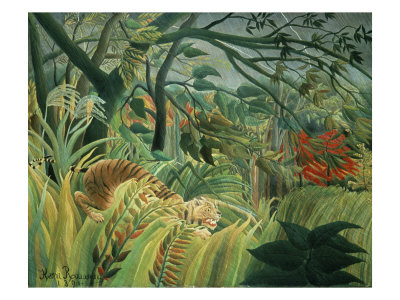
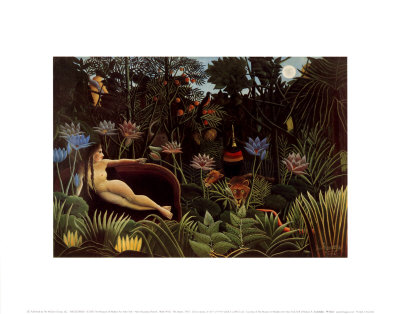
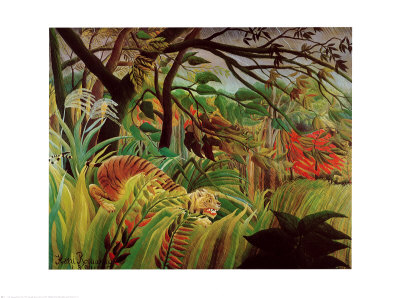
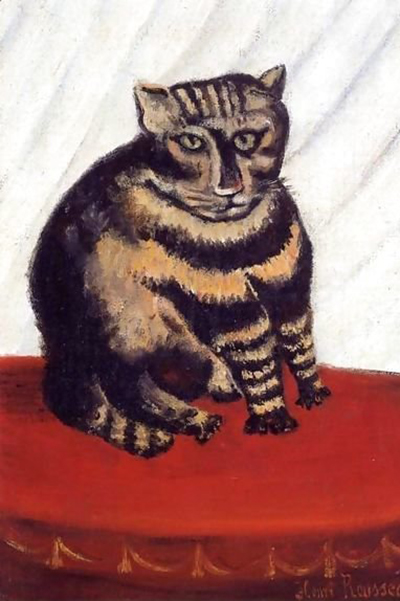
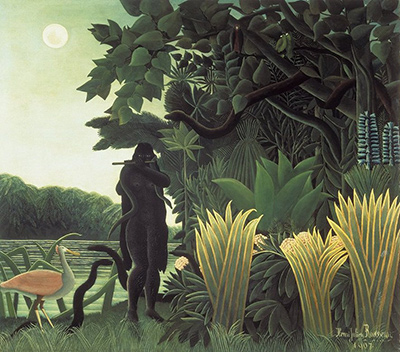
Henri Rousseau, the man who painted the jungle without ever leaving Paris, also understood the quiet, earthy rhythms of the harvest. While he is best known for his exotic forests, his work offers a profound lesson in how to capture the spirit of rural celebration through a naive, folk-art lens. To depict these moments effectively is not merely about rendering crops and crowds, but about channeling the unrefined joy and communal energy that define the season.
Capturing the Unrefined Joy
The essence of a harvest festival lies in its simplicity and its raw emotional honesty. A naive perspective strips away the complex layers of modern realism, allowing the viewer to feel the immediate warmth of the celebration. One must focus on the textures of the scene: the rough burlap of sacks, the sheen of polished wood, and the vibrant, almost electric colors of the decorations. Rousseau himself often used bold, flat areas of color rather than subtle gradients, creating a sense of vibration that mimics the bustling atmosphere of the village square. The goal is to evoke the feeling of being present in the heat, surrounded by neighbors who are laughing, drinking, and sharing the bounty of the land.
Simplifying the Complex Composition
When approaching a harvest scene, the composition should feel organic rather than calculated. Avoid rigid symmetry; instead, let the elements flow naturally, as if they were placed by a child or a dreamer rather than a strict observer. The figures should be expressive, their gestures large and clear, conveying action and emotion without needing detailed facial features. In naive art, the outline is king. Thick, black contours define the shapes, separating them from the background and giving the image a sense of solidity and permanence. This technique ensures that the viewer's eye is drawn to the movement of the crowd and the abundance of the harvest rather than getting lost in intricate details that might clutter the joyful mood.
Color and Light as Emotional Tools
The palette used in these depictions must be chosen carefully to reflect the season's vibrancy. Instead of mimicking the exact, often muted tones of a real sunset or a barnyard, lean towards saturated, primary colors. The gold of the wheat, the deep green of the leaves, and the bright red of the apples can be amplified to the point of glowing against the background. Light in a naive harvest painting should feel golden and pervasive, touching every corner of the canvas. It should not create deep, dark shadows that obscure the scene, but rather wash over everything in a warm, inviting haze, suggesting the long, golden hours of the day and the enduring warmth of the community.
Essential Elements of the Scene
To truly convey the harvest festival, certain visual elements are non-negotiable in this style. The scene must feel crowded and communal, reflecting the importance of gathering. Without a bulleted list of these essentials, the narrative would lack clarity.
- Abundant Produce: The foreground must be filled with overflowing baskets, hanging fruit, and piles of grain. These should not look like still-life arrangements but as if they are being carried or spilled in the midst of the chaos and fun.
- Communal Gathering: Figures should be interacting, dancing, or sharing food. Isolation should be avoided; the art must scream about togetherness and shared labor rewarded.
- Festive Decorations: Bunting, flags, and makeshift signs should hang everywhere, creating a labyrinth of color that frames the action and adds to the sense of a special, temporary world.
- Earth Tones Mixed with Bright Accents: While the background might consist of browns and greens, the focal points should pop with reds, yellows, and blues to draw the eye to the center of the celebration.
- Dynamic Postures: People should be in motion, whether turning to talk, reaching for a drink, or balancing a heavy load. Stillness can make a festival feel dead; movement brings the scene to life.
The Spirit of Rousseau's Influence
Ultimately, the artist must step back and remember that they are painting a feeling, not just a photograph. Henri Rousseau taught us that the most powerful images often come from a place of direct, unfiltered observation. By embracing the quirks of naive style—the slightly disproportionate figures, the bold outlines, and the intense, almost glowing colors—the artist can create a harvest festival that feels timeless and deeply human. It is a celebration of life itself, rendered in a language of color and form that speaks directly to the soul, inviting the viewer to join the feast and feel the rhythm of the turning seasons.
Related reading
- The Digital Brush: Reimagining the Dream World of Rousseau
- The Child in the Jungle: Cultivating the Spirit of Naïve Art
- Finding Your Own Wild Garden: A Guide to Choosing Subjects in Naïve Art
- The Artist's Canvas: Unveiling the Essentials of Naïve Creation
- Unlocking the Surreal Garden: A Guide to Finding Historical Naïve Art for Inspiration