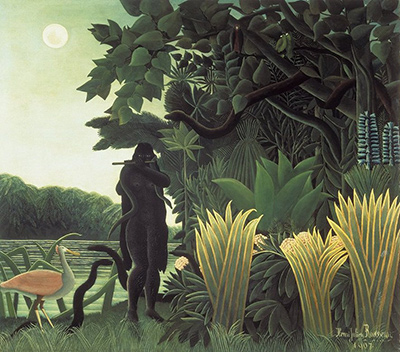
The sweltering summer sun transforms the ocean into a shimmering mirror, creating a dreamlike atmosphere that demands a specific artistic approach. For the painter inspired by Henri Rousseau, capturing this intense heat is not about scientific accuracy but about evoking the magical, vibrating sensation of a hot day. This guide explores how to translate that physical reality into a vibrant, living composition using naive principles.
The Geometry of Refraction
The most challenging aspect of painting summer heat in a naïve style is depicting the distortion caused by the shimmering water surface. Unlike academic realism, which seeks to mimic the physical truth of optics, naïve art embraces the visual impression or the "look" of the phenomenon. The heat creates a mirage effect, bending the light from distant objects like islands or boats, making them appear to wobble or dissolve into the air. To achieve this, do not try to paint a perfectly flat horizon line; instead, introduce subtle, undulating breaks in the composition. These wobbles suggest the heat rising from the water, disrupting the clarity of the distance. The key is to avoid sharp, precise edges for distant objects; let them bleed slightly into the sky, mimicking the way heat haze blurs the boundary between earth and air.
Warmth in the Palette
The color choices are paramount when attempting to convey the sensation of sweltering summer heat. In a traditional landscape, a cool blue might suggest a calm, clear day, but in a summer seascape, the water often takes on a golden, amber, or even orange hue as it absorbs and refracts the intense sunlight. The artist must mix pigments to create these warm tones, ensuring that the blues present in the water are always mixed with touches of yellow ochre or burnt sienna. This does not mean painting the water as a solid block of color, but rather allowing these warm undertones to ripple through the brushstrokes. The sky should be a brilliant, uncluttered blue, perhaps with hints of violet or lavender near the horizon, providing a contrast that makes the golden water pop with energy.
Managing the Heat Haze Effect
To truly sell the feeling of heat, the artist must focus on the atmospheric perspective created by the rising warm air. This haze softens details and reduces contrast in the distance. In a naïve approach, this can be achieved by simplifying the shapes of distant elements. Instead of detailing the sails of a boat or the texture of a rocky island far away, reduce them to simple, bold shapes with minimal variation in tone. Use shorter, lighter strokes for the background elements to suggest they are distant and slightly obscured by the shimmering air. The foreground, however, should remain sharp and detailed, with longer, more confident brushstrokes that capture the movement of the water and the solidness of the land. This contrast between the fuzzy distance and the crisp foreground creates a sense of depth that feels authentic to the heat's distortion.
Texture and Brushwork Techniques
The way you apply the paint is just as important as the colors you choose. Summer heat creates a sense of vibration and movement, which can be translated into the texture of the canvas. Use short, choppy strokes for the water near the shore to simulate the choppy waves caused by a warm breeze. As you move toward the middle of the composition, where the heat haze is strongest, your strokes should become more horizontal and sweeping, creating a sense of fluidity and distortion. Avoid over-blending; naïve art thrives on visible brushwork that feels energetic and spontaneous. The heat creates a feeling of stillness amidst movement, so consider using a technique where you paint the water in horizontal bands of varying thickness, leaving some areas unpainted to let the white of the canvas show through, representing the sun's glare bouncing off the water.
Finalizing the Dreamlike Quality
The ultimate goal in painting a summer seascape in the style of Henri Rousseau is to evoke a sense of dreamlike tranquility that is nonetheless full of energy. The heat is not an uncomfortable stressor but a serene, almost hypnotic condition. After mixing your warm hues and applying your textured brushwork, step back to assess the overall balance. Ensure that the warm tones do not overpower the composition to the point of becoming muddy; maintain a sense of luminosity by keeping the highlights bright and clean. Add a few small, bold elements like a solitary sailboat or a distant bird to ground the composition and provide a focal point that the viewer's eye can follow through the shimmering air. Remember, the magic lies in the suggestion of the heat rather than a scientific explanation; trust your instinct for what looks right on a hot, sun-drenched day, and let the painting sing with the light of summer.
Here are five essential steps to ensure your composition remains balanced and effective:
- Sketch the horizon line with a wavy, irregular shape to indicate heat distortion.
- Mix warm yellows and oranges directly onto the canvas for the brightest highlights.
- Apply the foreground water with short, energetic strokes to create texture.
- Soften the background elements by using lighter values and less detail.
- Step back frequently to check the luminosity and ensure no area is too dark.