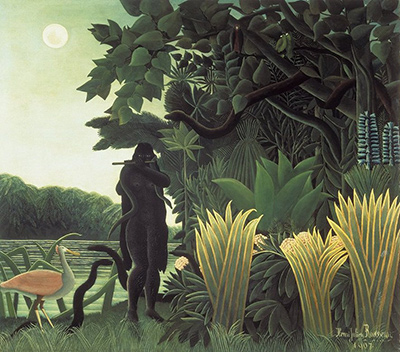
The season of autumn brings a vibrant, fiery transformation to the landscape that few other times of year can match, offering artists a canvas of oranges, crimsons, and deep yellows that demands immediate attention. For the watercolor painter, these fleeting moments provide an endless opportunity to capture the transient beauty of nature with a touch of whimsy and sincerity, much like the dreamlike quality found in the works of naive masters. By embracing the unique challenges and rewards of this season, one can create pieces that feel alive, textured, and full of the joyful chaos that defines the changing leaves.
Preparing the Palette for Vibrance
Success in capturing autumn relies heavily on the quality and arrangement of your pigments before you even touch the paper. Unlike spring greens or winter blues, which often have a singular dominant hue, autumn offers a complex interplay of warm tones that requires a specific set of tools to achieve maximum luminosity. You will need a range of earth tones mixed with bright accents to represent the spectrum of the forest floor and the canopy above. A palette containing burnt sienna, raw sienna, quinacridone orange, alizarin crimson, and a touch of gold leaf or bright yellow is essential for building depth. Furthermore, consider the texture of your paper; a cold-press or rough-surface watercolor paper is preferable for autumn subjects as it can mimic the rough, crinkled texture of dried leaves and the bark of ancient trees, adding a tactile dimension that smooth paper might flatten.
Mastering Layering Techniques
One of the most effective ways to convey the density of a forest or the crispness of a single leaf is through strategic layering, a technique that allows for rich, dark values without losing the translucency inherent to watercolor. Begin your painting with a light wash of the background sky or distant foliage, ensuring the paper shows through to create an atmospheric perspective that recedes the depth of the scene. As you move to the mid-ground, introduce your darker, more saturated colors, using wet-on-wet techniques for soft transitions where shadows meet light, or wet-on-dry for sharp, defined edges where leaves overlap branches. This methodical approach ensures that the final image possesses a sense of volume and three-dimensionality, allowing the viewer to feel as though they are standing amidst the falling leaves, observing the interplay of light and shadow on the ground.
Creating Depth with Glazes
To elevate your autumn watercolors from a simple flat illustration to a study of light and atmosphere, the use of glazes is indispensable. A glaze is a very thin, transparent layer of paint applied over a dry underlying layer, allowing the colors beneath to shine through while adding a new hue or value. In the context of autumn, glazes are perfect for simulating the way sunlight filters through dense canopies of red and orange leaves. First, dry your initial mid-tone layer completely. Then, mix a small amount of your dark crimson or burnt orange with a significant amount of water or even a tiny drop of black or purple to create a fluid, translucent wash. Apply this wash only to the areas where the leaves would be densest, such as the lower branches or areas in shadow. As the glaze dries, it will deepen the color and add a mysterious, glowing quality to the painting, making the leaves appear to vibrate with inner light rather than merely sitting on top of the canvas. This technique is crucial for achieving the dreamy, ethereal atmosphere often associated with naive art styles, where the focus is on the emotional resonance of the scene rather than hyper-realistic detail.
Capturing Texture and Movement
The movement of falling leaves and the crisp texture of the bark they cling to are vital elements that bring an autumn painting to life. Since watercolor tends to flow and blur, you must be deliberate in how you suggest rather than define every single leaf. Use dry-brushing techniques to create the feeling of rough bark or the jagged edges of curled leaves; dab your dry brush lightly over the damp paper to create a stippling effect that suggests a crowd of small leaves without becoming tedious. For the falling leaves themselves, use swift, broken strokes to indicate their erratic descent and fluttering motion. Avoid making the leaves look too uniform; instead, vary the size, shape, and direction of your marks to mimic the chaotic beauty of nature in the fall. Pay attention to the way light hits the surfaces of the leaves, creating small highlights that make them look crisp and cool to the touch, contrasting with the warmth of the shadows.
Essential Tools for the Naive Artist
To fully realize the naive aesthetic while working in watercolor during the fall season, you must equip yourself with specific materials that encourage spontaneous expression. While professional-grade supplies are beneficial, the true spirit of the naive style often thrives on accessible, vibrant, and sometimes imperfect tools. Consider the following items essential for your autumn palette:
- A set of bright, opaque watercolor pans in primary and secondary colors.
- A mixing palette with enough surface area to blend warm autumn tones without contamination.
- Two brushes of different sizes: one for wet washes and another for dry detailing.
- A piece of rough-textured watercolor paper to mimic the organic feel of the season.
- A small container of turpentine or odorless mineral spirits for cleaning brushes effectively.
- A soft cloth for drying brushes and removing excess pigment quickly.
- A water bottle with a small spout to control water flow precisely.
Final Touches and Presentation
Once your painting is completely dry, take a moment to step back and assess the overall composition. Are the colors too muddy? Is there enough contrast between the warm leaves and the cool background? You can always mix in a tiny bit of a complementary color, such as a touch of cool blue or green, into your warm washes to make them pop and appear more vibrant. Finally, sign your work with a sense of pride, knowing that you have captured a fleeting moment of the season. Whether you are creating a small portrait of a single maple leaf or a grand vista of a whole forest, the principles of layering, glazing, and texture application remain the same. By following these practical steps, you can create watercolor pieces that not only document the beauty of autumn but also evoke the same sense of wonder and childlike fascination that defines the spirit of naive art.