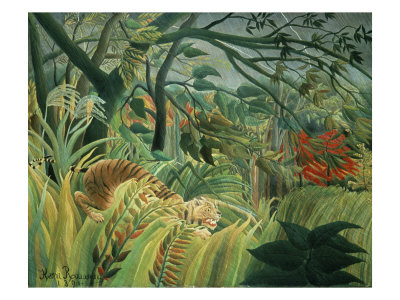
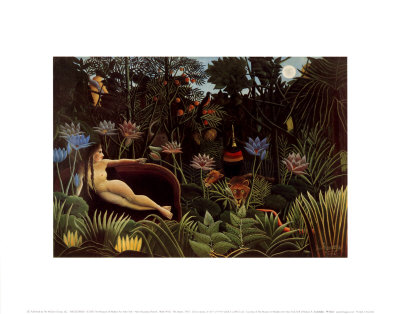
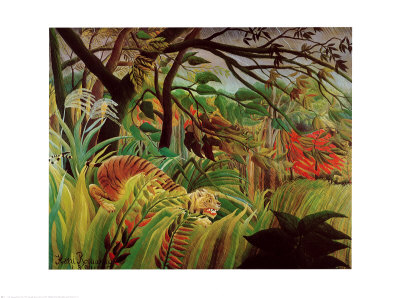
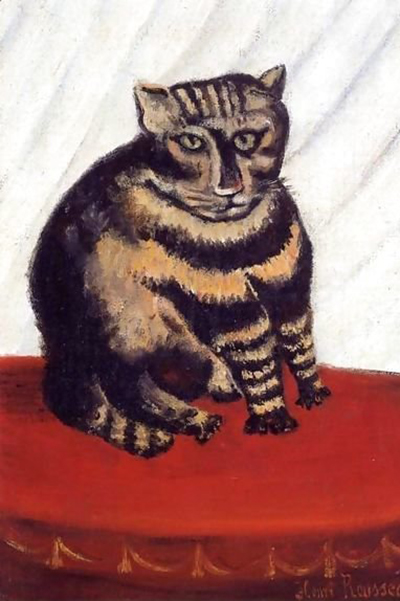
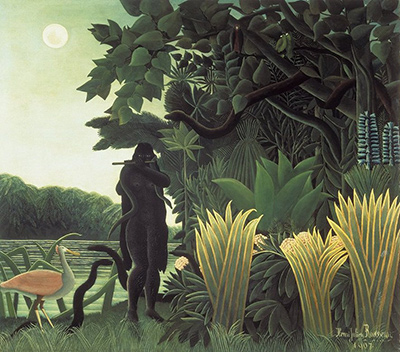
In the vibrant world of naive painting, often associated with the vivid imagination of artists like Henri Rousseau, negative space is not merely empty canvas but a dynamic force that shapes perception and guides the viewer's eye. By strategically utilizing the areas surrounding the subject, a painter can transform a crowded composition into a harmonious visual narrative that breathes with life and simplicity. This technique allows the artist to isolate their subject from the chaos of reality, creating a dreamlike quality that defines the genre.
The Philosophy of the Void
To truly understand white space in naive art, one must first abandon the Western classical tradition where every inch of the canvas is expected to be filled with detail. In naive compositions, the "blank" areas are often as significant as the painted figures or objects. These spaces act as a stage, allowing the central subject to stand out with an almost magical clarity. When an artist leaves large areas unpainted or uses light colors like white, cream, or pale blue, they create a sense of distance and focus. This emptiness prevents the eye from wandering aimlessly and instead directs it immediately to the focal point of the piece.
Establishing the Center of Gravity
A naive painting often features a strong, singular subject, whether it is a lion sleeping in the grass or a child gazing at the moon. The placement of this subject is crucial. By pushing the subject off the edge of the canvas, the artist ensures that the remaining white space frames the action without competing with it. This technique creates a dynamic balance; the negative space does not feel like a mistake but rather an intentional part of the composition that enhances the mood. For instance, placing a small boat in the center of a vast expanse of white water suggests movement and isolation, whereas filling the entire canvas with waves would create a sense of claustrophobia and noise. The empty areas tell the viewer how much room the subject has to exist within its own world.
Techniques for Balancing Composition
When working on a naive piece, the challenge lies in knowing exactly how much space to leave. Too little space makes the painting feel cluttered and chaotic, while too much can make the subject feel lost. Here are some practical methods to achieve the perfect balance:
- Isolate the Subject: Ensure that the main element is clearly separated from any background details by a ring of white or light color.
- Use Directional Lines: Let the edges of the subject point toward the empty space, suggesting movement or the path the subject is taking.
- Repeat Patterns: If using patterns in the background, ensure they do not touch the white margins, allowing the edges of the canvas to remain clean and unbroken.
- Experiment with Scale: A large subject requires more negative space to breathe, while a tiny subject can sit comfortably within a corner surrounded by wide open skies.
The Psychological Impact of Empty Space
The use of white space in naive art is deeply psychological. It invokes a sense of calm, mystery, and infinite possibility. Because naive art often depicts scenes that do not exist in reality, the empty spaces contribute to the dreamlike atmosphere. The viewer's brain fills in the gaps, imagining what lies beyond the frame or what happens in the unseen parts of the scene. This engagement makes the painting interactive; the viewer becomes a co-creator of the story. The lack of clutter invites contemplation, allowing the emotional weight of the image to be felt rather than just seen.
Practical Steps for Execution
For the aspiring naive artist, applying these concepts requires a shift in mindset during the sketching and painting phases. Instead of trying to capture every detail of a scene, the artist should focus on the relationship between the subject and the surrounding void. Start by blocking in the main subject and then deliberately leave the margins untouched. Resist the urge to add texture or pattern to the edges of the canvas. If the composition feels crowded, step back and assess if the white space is doing its job of framing and focusing. Remember that in naive art, less is often more, and the power of a single, well-placed element is amplified by the quiet confidence of the empty space surrounding it.