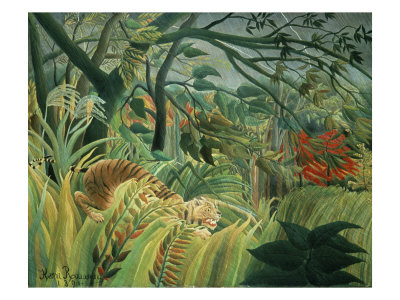
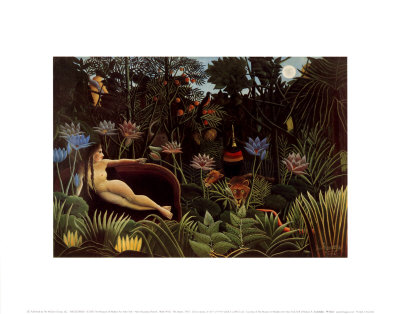
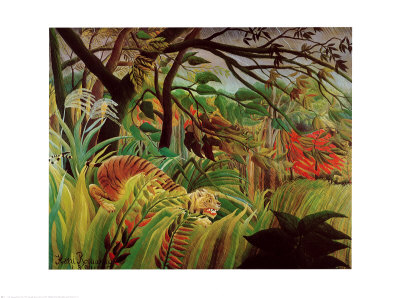
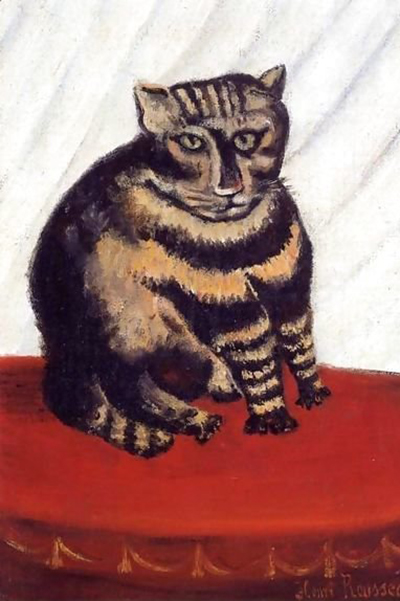
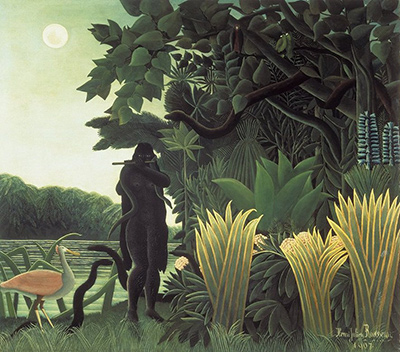
In the vibrant world of painting, where bold strokes and heavy textures often take center stage, there exists a delicate technique capable of evoking a sense of infinite distance and soft light. This method, often associated with the Impressionist masters but deeply resonant in the work of Henri Rousseau, relies on the ethereal quality of water-based mediums to create surfaces that breathe. By learning to manipulate the flow and dilution of paint, an artist can transform a rigid canvas into a living atmosphere, capturing the fleeting moment where air seems to shimmer around objects.
Understanding the Essence of the Wash
Before attempting to apply a wash, one must understand that this technique is not merely about adding more water to a mixture, but about embracing the transparency and fluidity of the medium itself. A wash functions as a background layer or a unifying veil that softens hard edges, allowing the viewer's eye to rest on the most important focal points while the rest of the composition fades gently into the surroundings. It mimics the way natural light diffuses through fog, mist, or a hazy sky, creating a dreamlike quality that feels less like a painted illusion and more like a memory of a scene.
Preparing Your Palette for Fluidity
The success of a wash technique hinges almost entirely on the consistency of your painting medium. Unlike oil paints, which can remain viscous for days, watercolors and gouache require a precise balance of pigment and solvent to achieve that signature airy effect. You will need high-quality paper with a tooth that can accept water without warping, along with brushes of varying sizes, from fine rounds for details to broad flats for covering large areas.
To achieve the desired softness, consider the following steps in your preparation:
- Mix your watercolor or gouache with enough water to create a fluid consistency similar to thin milk.
- Allow the pigment to sit in the water briefly to ensure it is fully dissolved before application.
- Keep a pot of clean water nearby to rinse your brushes frequently, preventing the buildup of dried pigment that can stiffen the wash.
Applying the Technique with Control
Once your materials are ready, the application process becomes a study in patience and observation. Start by laying down a broad, light wash over the area you wish to soften. Do not work too quickly, as the water needs time to settle and the pigment needs a moment to absorb into the paper fibers. This is where the magic happens; the pigment will not sit on top of the paper but rather seep into it, creating a subtle gradient that is impossible to replicate with dry brushwork alone.
The Art of Layering and Blending
The true power of the wash lies in its ability to be layered. As the first layer dries, it will no longer be completely transparent, but it will still allow light to pass through, creating depth. By applying subsequent, slightly darker or more saturated washes over the dried base, you can build up form and shadow without losing the delicate, misty quality of the initial layer. It is crucial to wait for each layer to dry completely before adding the next, ensuring that the colors do not mix unpredictably on the wet surface. This layering process allows for complex atmospheric effects, such as the way distant mountains appear paler than the foreground trees, all while maintaining a unified, soft aesthetic that defines the airy style.
Practical Tips for the Naive and Realist Artist
Whether you are exploring the whimsical landscapes of Henri Rousseau or the structured realism of the Old Masters, the wash technique offers a universal tool for creating depth and atmosphere. Beginners often struggle with the fear of making a mistake, but in this medium, errors are often part of the process. A slightly too-heavy area can be softened with a subsequent wash, and a missed spot can be masked with a lighter glaze. The key is to trust your hand and let the water do the work, rather than forcing the pigment into a specific shape.
Ultimately, mastering the wash requires a shift in mindset from covering to revealing. Instead of trying to hide the texture of the paper or the limitations of the brush, you invite the viewer to participate in the creation of the image. By embracing the fluid nature of water and the transparency of pigment, you unlock a visual language that speaks directly to the soul, creating spaces that feel open, light, and full of potential.