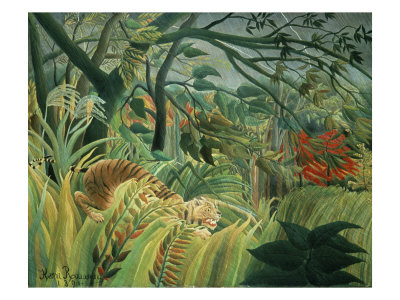
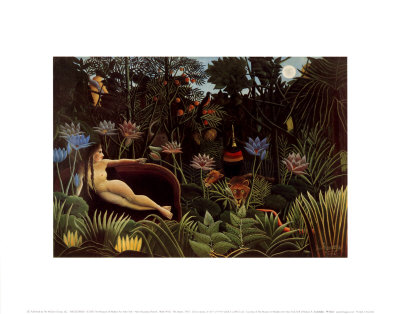
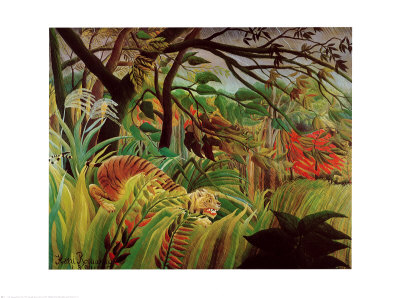
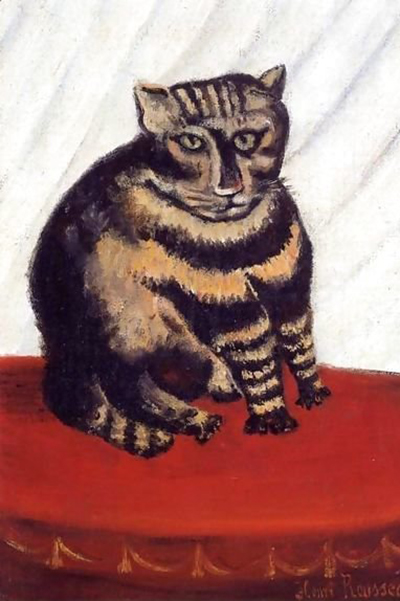
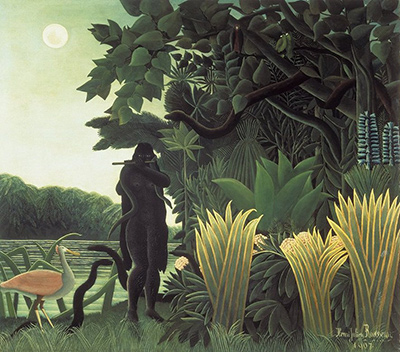
Henri Rousseau, the enigmatic French painter known for his "sleeping gypsy" motif and dense jungle scenes, revolutionized art not through technical perfection but through an unbridled imagination and a distinctive lack of academic rigor. His work is instantly recognizable due to its flattened perspective, bold outlines, and vibrant, almost clashing colors that seem to pulse with life. While many aspiring naive artists focus heavily on color palettes or compositional structures, they often overlook the fundamental role that the physical medium plays in creating that unique, dreamlike atmosphere. Understanding how to manipulate the texture of the paper itself can be the missing link that transforms a standard painting into something that feels organic, untamed, and truly reminiscent of Rousseau's visionary style.
The Foundation of the Substrate
The journey begins before a single brushstroke is laid down, as the choice of paper dictates the very soul of the final piece. Traditional fine art watercolor papers are incredibly smooth, offering a pristine canvas that encourages clean, controlled lines. However, for the naive aesthetic, this smoothness is often too polished, too refined, and too quiet. To mimic the raw energy of Rousseau's jungle scenes, one must select a paper that possesses inherent character. Look for heavyweights with a coarse, grainy surface, such as cotton rag paper with a cold-press finish or even repurposed, heavily textured cardstock. This rough surface acts as a primer, providing a tactile history that the paint must interact with immediately. The grain catches the pigment, creating a subtle, uneven resistance that prevents the colors from sliding too easily, forcing them to cling to the surface with a stubborn vitality.
Manipulating Texture Through Application Techniques
Once the right paper is selected, the artist must employ specific application techniques that accentuate the underlying texture rather than hiding it. In a traditional academic setting, an artist might use a damp sponge or a soft cloth to blend colors smoothly, seeking to erase any irregularities in the surface. In contrast, the naive approach embraces these irregularities. One should apply paint with a dry brush or a stiff bristle brush, allowing the tooth of the paper to pull at the pigment and create a dusty, granular effect. This technique, often called dry-brushing, leaves tiny bits of white or underlying color visible within the dark areas, breaking up solid blocks of color and creating a sense of depth without the use of traditional shading. Furthermore, the artist should avoid over-blending; instead, let the colors sit side-by-side, allowing the texture of the paper to create a visual vibration between the adjacent hues.
Techniques for Creating Depth and Atmosphere
To achieve the specific depth found in Rousseau's paintings, where the background feels both distant and immediate, texture plays a crucial role in creating atmospheric perspective. The artist can utilize a palette knife or a heavy brush to apply thicker layers of paint onto the more heavily textured parts of the paper, while leaving the finer, less textured areas for distant elements. This creates a physical relief in the painting itself, where the foreground feels almost solid and tangible, while the background recedes into a mottled, shadowy mass. By pressing harder into the rough paper in the foreground, the paint sinks in, creating dark, complex blacks and deep greens that feel rich and complex, whereas the background might be applied more lightly, letting the natural grain of the paper show through to create a sense of airiness and mystery. This interplay between the physical thickness of the paint and the grain of the paper is essential for conveying the magical, otherworldly quality of his scenes.
Embracing Imperfection and Impermanence
A key component of the naive look is the embrace of imperfection and the idea that the work is a snapshot of a fleeting moment rather than a perfect study. The textured paper allows the artist to introduce slight variations in line weight and color saturation that are inevitable in the application process. When using a charcoal stick or a dry brush on rough paper, the lines will naturally vary in thickness and pressure, creating a sketch-like quality that feels spontaneous and urgent. This lack of mechanical precision is what makes the work feel human and alive. The artist should resist the urge to clean up smudges or uneven edges; instead, these flaws become part of the composition, adding to the narrative of the scene. The texture of the paper ensures that every mark feels intentional yet accidental, capturing the raw, unfiltered energy of observation that defines the naive movement.
A Practical Guide to Textured Paper Selection
Selecting the correct material is the first step in achieving the Henri Rousseau effect, and it requires careful consideration of specific characteristics. When browsing art supply stores or online retailers, keep the following points in mind to ensure you choose a surface that supports the naive style:
- Choose a paper weight between 300gsm and 600gsm to ensure it can withstand the heavy, dry-brush application techniques often used.
- Opt for a cold-press finish rather than hot-press, as the slight roughness of cold-press provides the necessary "tooth" to hold pigment without being too abrasive.
- Look for cotton rag compositions, as they age better and offer a consistent, durable texture that mimics the longevity of Rousseau's original works.
- Consider using a deckle-edged sheet, where the uneven, hand-made borders naturally frame the painting and enhance the handmade, rustic aesthetic.
- Test a small corner of the paper first by dabbing a dark color to see how the grain interacts with the pigment before committing to a large section.
- Avoid pre-mounted or primed surfaces, as the sealant can prevent the paint from sinking into the paper fibers, diminishing the desired tactile effect.
- If experimenting with mixed media, ensure the chosen paper is acid-free to prevent future yellowing or brittleness that could ruin the texture over time.
Ultimately, the goal is to create a visual experience that feels as if it has been extracted directly from a memory or a dream, where logic and physics are suspended. By choosing a paper with a strong, tactile presence and applying paint in a way that respects the surface's grain, the artist can replicate the distinctive, hypnotic quality of Henri Rousseau's work. The roughness of the paper becomes an active participant in the painting, influencing how light and color interact to create a world that is simultaneously familiar and utterly alien. Through the careful selection of materials and the deliberate manipulation of texture, one can unlock the secrets of the naive style and create works that resonate with the same powerful, unrefined spirit found in the master's celebrated jungle landscapes.
Related reading
- The Digital Brush: Reimagining the Dream World of Rousseau
- The Child in the Jungle: Cultivating the Spirit of Naïve Art
- Finding Your Own Wild Garden: A Guide to Choosing Subjects in Naïve Art
- The Artist's Canvas: Unveiling the Essentials of Naïve Creation
- Unlocking the Surreal Garden: A Guide to Finding Historical Naïve Art for Inspiration