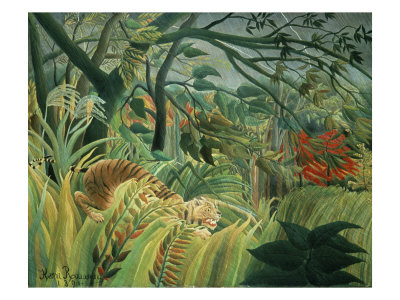
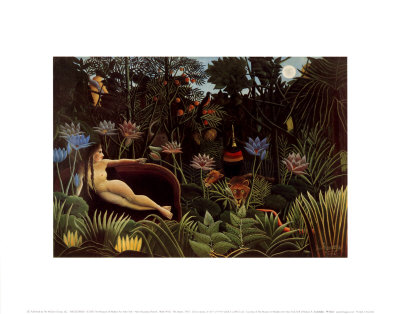
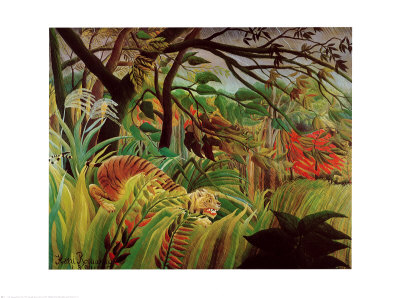
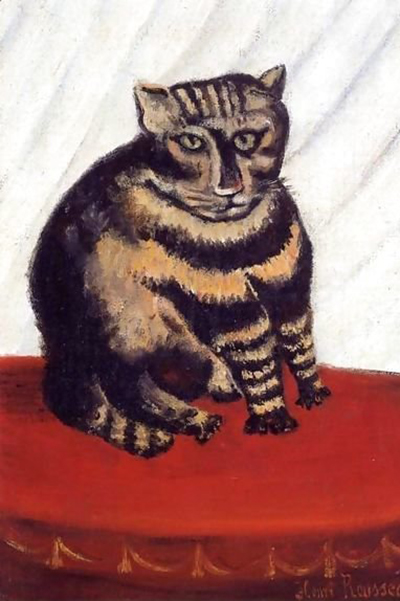
In the vibrant world of naive art, where the brushstrokes of artists like Henri Rousseau burst with the energy of dreams and forests, the preservation of these works is not merely a technical task but a duty to history. Just as Rousseau sought to capture the fleeting beauty of nature and the surreal imagination of the mind, modern conservators strive to keep every pigment and texture intact for future generations to admire. Preventing fading and cracking requires a deep understanding of material degradation and a commitment to gentle, methodical care that respects the unique nature of each piece.
Understanding the Enemies of Color
Before taking any action, one must recognize the primary threats that undermine the longevity of painted works. Fading, often caused by ultraviolet radiation from sunlight, breaks down the chemical bonds within pigments, leading to a loss of saturation and a dulling of the original vibrancy that artists like Rousseau are famous for. Simultaneously, cracking, or craquelure in its more severe forms, results from the differential expansion and contraction of the paint layers and the canvas or panel support as they respond to temperature and humidity fluctuations. Without a stable environment, the very medium that holds the soul of the artwork together can begin to fracture, severing the connection between the artist's intent and the viewer's experience.
The Climate of Safety
Creating a stable microclimate within your home or studio is arguably the most critical step in preventing physical damage. Fluctuations in temperature and relative humidity are the silent killers of oil-based paints and varnishes. When the air becomes too dry, the canvas may shrink, pulling away from the stretcher bars and creating tension that leads to cracking over time. Conversely, excessive humidity can cause the support materials to swell, potentially leading to warping or mold growth. To mitigate this, maintain a consistent indoor temperature between 68 and 72 degrees Fahrenheit and a relative humidity level between 45 and 55 percent. Avoid placing paintings in areas with direct heating vents, air conditioning units, or windows where direct sunlight strikes, as these sources create rapid environmental shifts that stress the artwork's structural integrity.
Managing Light Exposure
Light is both a source of inspiration and a destructive force; it is the enemy of fading that must be carefully managed. While total darkness is not always practical for displaying art, minimizing exposure to direct and intense light sources is essential. Ultraviolet (UV) rays are particularly damaging, accelerating the oxidation process in oils and the breakdown of organic binders. If you must display a painting, consider using museum-quality UV-filtering glass or acrylics, which block the majority of harmful rays while still allowing the viewer to appreciate the colors. Rotate your collection regularly if possible, ensuring that no single piece bears the burden of continuous exposure, and always use low-wattage, cool-running bulbs that do not generate excess heat, which can dry out the varnish layers and contribute to cracking.
Practical Cleaning Protocols
Proper cleaning techniques are vital for maintaining the surface without introducing new risks. Never attempt to clean a painting with water, alcohol, or commercial cleaning solutions, as these can dissolve the varnish or penetrate the paint layers causing irreversible damage. Dust should be removed gently using a soft, dry brush or a microfiber cloth, moving in the direction of the brushstrokes to avoid disturbing the surface texture. For framed works, it is often safer to clean the glass or frame itself rather than the artwork behind it. If the frame is wood, wipe it with a slightly damp cloth and dry immediately, avoiding soaking the wood, which can lead to swelling and eventual cracking of the frame's structure, compromising the painting's protection.
Professional Intervention and Monitoring
While many aspects of preservation can be managed at home, certain interventions require the expertise of professional conservators. If you notice signs of active mold, severe insect infestation, or significant structural instability in the frame, it is best to seek professional help immediately. DIY repairs can sometimes exacerbate the problem, turning a manageable issue into a catastrophic loss. Additionally, regular monitoring of the environment using hygrometers and thermometers can alert you to changes before they cause damage. By establishing a routine of observation and adhering to these fundamental principles of care, you ensure that the legacy of the artist remains vivid and intact, allowing the enduring spirit of their work to continue inspiring those who come after.
Here is a checklist of essential habits to adopt daily:
- Inspect your collection for any signs of moisture accumulation or discoloration.
- Ensure that all windows are closed or covered with blackout curtains when not viewing art.
- Check the position of furniture to ensure no drafts are hitting the paintings.
- Verify that the temperature gauge remains within the optimal range.
- Document any changes in the artwork's appearance with photographs.
By integrating these habits into your routine, you create a protective shield around the delicate history painted on canvas. The goal is not perfection, but a continuous, vigilant effort to slow the inevitable decay of materials. As you tend to your collection with this level of care, you become an active participant in the continuation of the artistic dialogue, ensuring that the vivid colors and complex compositions of the past remain accessible and alive for the future.
Related reading
- The Digital Brush: Reimagining the Dream World of Rousseau
- The Child in the Jungle: Cultivating the Spirit of Naïve Art
- Finding Your Own Wild Garden: A Guide to Choosing Subjects in Naïve Art
- The Artist's Canvas: Unveiling the Essentials of Naïve Creation
- Unlocking the Surreal Garden: A Guide to Finding Historical Naïve Art for Inspiration