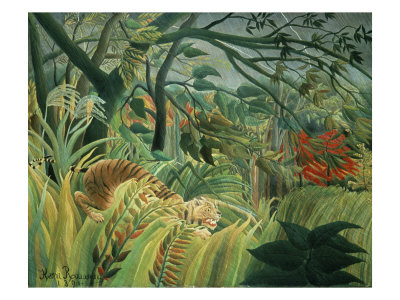
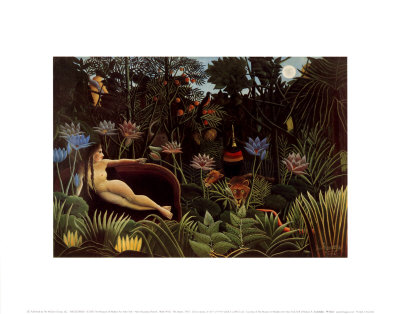
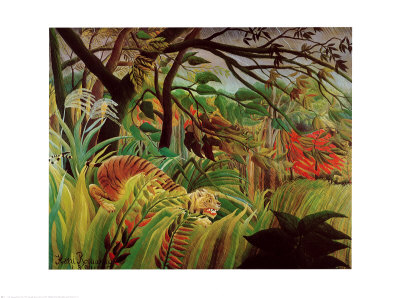
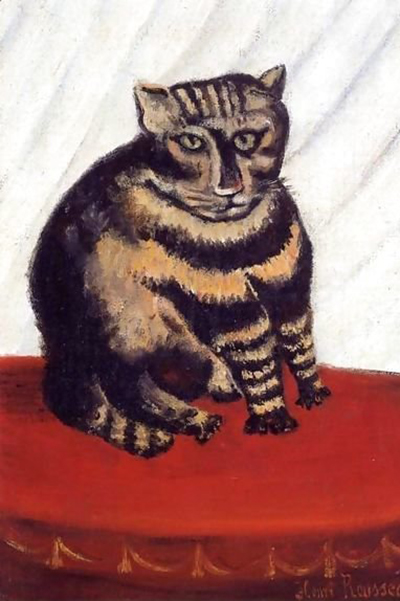
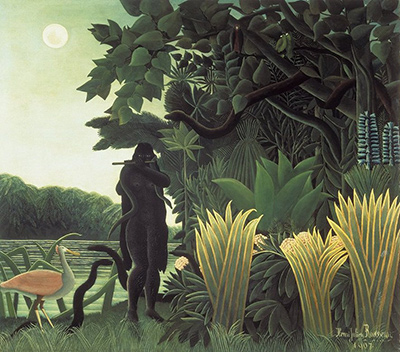
Henri Rousseau's forests are not merely backdrops; they are living, breathing textures that seem to grow directly out of the paper, untouched by modern optical illusions. To emulate this unique, almost tactile quality in naive landscapes using watercolor, one must abandon the pursuit of hyper-realism and instead focus on the emotional weight and physical presence of the surface itself. This approach transforms the canvas into a study of light and shadow where every brushstroke and water wash contributes to a tangible atmosphere.
Understanding the Naïve Approach to Light and Shadow
In traditional academic painting, light is often rendered with precise gradations to mimic the physical properties of objects. However, the naive style, inspired by artists like Rousseau, treats light more as a narrative element or a symbolic presence. The goal is not to replicate the exact color of a shadow, but to capture the feeling of darkness and the way light breaks through the foliage. This shift in perspective allows the artist to prioritize the texture of the paper and the application of paint over technical perfection. By accepting the limitations and unique properties of watercolor, the artist can create a surface that feels organic and unpolished, much like the wild, untamed scenes Rousseau famously depicted. The key lies in embracing the fluidity of the medium and allowing the water to dance across the grain of the paper, creating natural variations that mimic the roughness of bark, the softness of clouds, or the solidity of distant mountains.
Preparing the Support and Choosing the Right Paper
The foundation of any textured watercolor landscape begins long before the first drop hits the page. For a naive aesthetic, the choice of paper is critical, as it dictates the final look of the texture. A smooth, hot-press paper might result in a sleek, almost photographic image that lacks the desired rustic charm. Instead, one should select a cold-press or rough-textured watercolor paper. These surfaces have a tooth that interacts uniquely with wet paint, creating subtle ridges and pools of color that enhance the sense of depth. When mixing the paper and a sponge brush, the combination creates a versatile tool for applying paint unevenly, adding a layer of physical texture that mimics natural elements. The grain of the paper becomes an integral part of the artwork, contributing to the overall mood and tactile quality of the final piece.
Techniques for Applying Texture Without Losing Fluidity
Once the paper is prepared, the application of paint requires a specific technique that balances control with spontaneity. The naive style thrives on bold, expressive strokes rather than delicate blending. To create the illusion of thick textures like tree bark or rocky outcrops, artists can employ a dry-brushing technique, where a brush loaded with little water is dragged across the paper, leaving behind the texture of the surface itself. Conversely, large areas of sky or water can be achieved through wet-on-wet applications, allowing the water to spread naturally and create soft, diffused edges. It is essential to work quickly, letting the water move freely before it dries completely. This process ensures that the texture remains dynamic and alive, avoiding the stiffness that comes with overworking the paint. The resulting image should feel as though it is unfolding on the page, with layers of color building upon one another in a natural, almost accidental manner.
Mastering the Role of the Wash and the Dry Brush
A crucial component of creating rich texture in naive landscapes is the strategic use of both wet and dry applications. The wet wash sets the stage, creating broad planes of color that establish the lighting conditions and the general atmosphere of the scene. Once this base is laid down and partially dry, the dry brush technique can be introduced to add specific details and textural contrasts. This layering process is what gives the naive style its characteristic depth, as the dry strokes sit on top of the wet underpainting, creating a visual and physical separation between elements. Whether depicting the rough surface of a trunk or the jagged edge of a cliff, the interplay between the smooth wash and the grainy dry brush is what brings the landscape to life. This technique allows the artist to introduce variety and complexity without sacrificing the overall harmony of the composition.
Embracing Imperfection as a Source of Beauty
Finally, it is important to remember that the beauty of naive landscapes often lies in their imperfections. There is no need to strive for flawless execution or to hide the hand of the artist. The slight variations in color, the unpredictable pooling of water, and the grainy texture of the dry brush are all features that contribute to the unique character of the work. By embracing these irregularities, the artist can create a piece that feels authentic and deeply connected to the natural world. The resulting landscape will not just be a representation of a scene, but a textured, emotional experience that invites the viewer to explore the surface with their eyes and imagine the tactile qualities of the painted world.
To successfully capture the essence of Rousseau's style, consider incorporating these fundamental principles into your practice:
- Select a cold-press or rough-textured watercolor paper to ensure the tooth of the surface enhances the paint application.
- Utilize dry-brushing techniques to create the illusion of rough textures like bark or rock without adding physical mass.
- Apply wet-on-wet washes for large background areas to establish a soft, atmospheric foundation.
- Layer thin, transparent washes over dry underpainting to build depth while maintaining the fluid nature of the medium.
- Accept the irregularities of the paper grain and the unpredictable flow of water as essential elements of the composition.