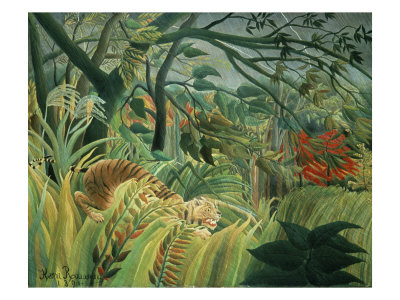
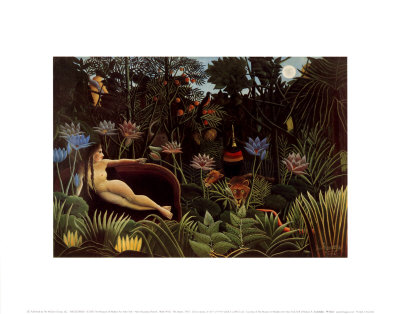
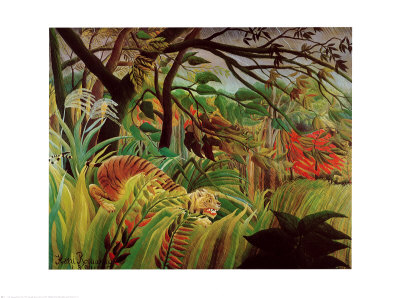
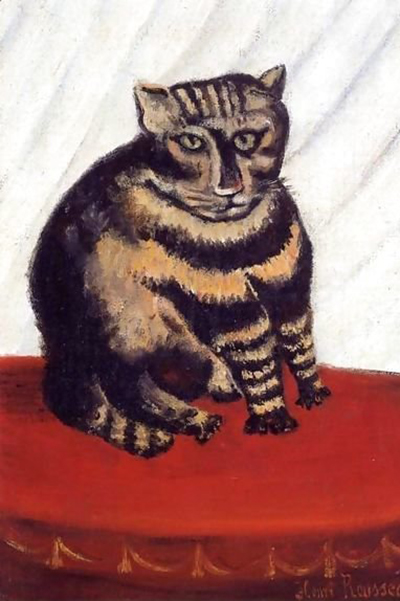
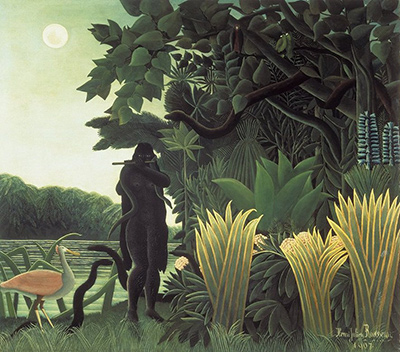
There is a magnetic quality to a painting that appears unfinished, where the viewer feels an irresistible urge to complete the composition in their own mind. This technique, often associated with the whimsical and dreamlike worlds of artists like Henri Rousseau, relies not on a lack of skill, but on a deliberate choice to withhold final polish. By embracing visible brushstrokes, uneven edges, and a sense of immediacy, one can create works that feel alive, spontaneous, and deeply human. This approach invites the audience into the creative process rather than simply presenting a finished product on a flat surface.
Mastering the Intentional Mess
The foundation of this style lies in rejecting the perfection of the academic tradition. Instead of smoothing out every ridge of paint, you must celebrate the texture of the medium itself. When working with simple shapes, the goal is not to create a clean silhouette, but to allow the paint to assert its own physical presence. Use thick impasto applications so that the brush marks are visible and tactile, creating a surface that feels rough and energetic. This texture disrupts the eye's tendency to look for neat lines and instead focuses attention on the rhythm of the application. The shape becomes a suggestion rather than a definitive form, much like the way Rousseau depicted his exotic landscapes with a sense of wonder that refused to be pinned down by rigid outlines.
Embracing Asymmetry and Imperfection
In traditional drawing, symmetry and precise geometry are often prized, yet in this style, they are obstacles to be overcome. Deliberately avoid perfect circles or straight lines; instead, allow the shapes to wobble and breathe. A circle might look like a soft, breathing orb rather than a rigid geometric form. This asymmetry adds a layer of complexity that feels organic and unscripted. When you leave a gap in a line or allow a stroke to wander slightly beyond the intended boundary, you are making a conscious decision to introduce chaos into the composition. This controlled chaos mimics the way nature behaves, shifting and changing with every passing moment, which is essential for capturing a sense of liveliness in a static image.
Techniques for Leaving the Canvas Open
To successfully execute this style, one must learn specific methods for manipulating the paint and the support. The following techniques are essential for creating that deliberate unfinished look:
- Apply thick layers of paint using a stiff brush or palette knife to create visible ridges and peaks that catch the light differently.
- Avoid erasing or smudging mistakes; instead, incorporate them into the composition by letting the texture become part of the image.
- Use a variety of brush sizes and textures, such as natural hair or even old sponges, to introduce random variations in stroke width and direction.
- Leave blank patches of canvas unpainted to suggest depth or shadow without rendering them with hard edges.
- Work quickly and fluidly, allowing the momentum of the hand to dictate the path of the brush rather than following a pre-planned drawing.
The Role of Negative Space
Often, the most effective way to make a shape look unfinished is to be strategic about what is left out. In many naive artworks, the background does not recede into a smooth, featureless void but remains active with its own energy. By leaving large areas of the canvas exposed or painted with loose, non-committal strokes, you force the viewer's eye to fill in the gaps mentally. This active participation transforms the viewer from a passive observer into a co-creator of the scene. The unfinished nature of the edges between the painted shapes and the background creates a dynamic tension that holds the composition together. It suggests that the scene is happening right now, in the present moment, rather than existing as a frozen, permanent artifact in a gallery.
Cultivating the Spirit of Discovery
Ultimately, the pursuit of an intentionally unfinished look is about maintaining a spirit of discovery throughout the creative process. It is a reminder that the journey of creation is just as important as the final destination. When you stop trying to paint a perfect representation of reality and start painting the feeling of making art, the boundaries between the artist and the viewer begin to blur. The viewer sees not just the object, but the hand that made it, the brush that guided it, and the moment in time when the decision to stop was made. This connection fosters a deeper emotional response, as the audience feels the warmth and humanity of the act of creation itself. By learning to embrace the imperfect, we unlock a new level of expression that resonates with the raw, untamed beauty found in the most innocent of strokes.