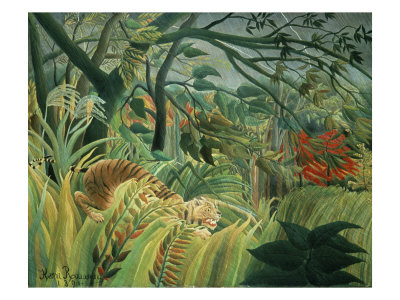
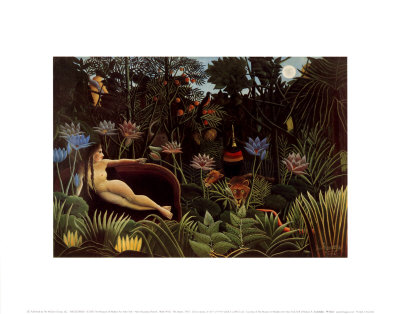
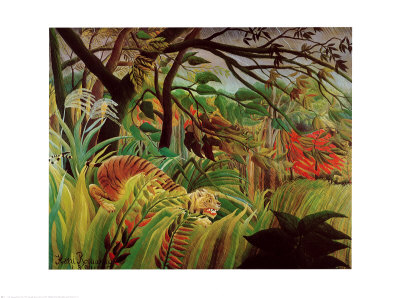
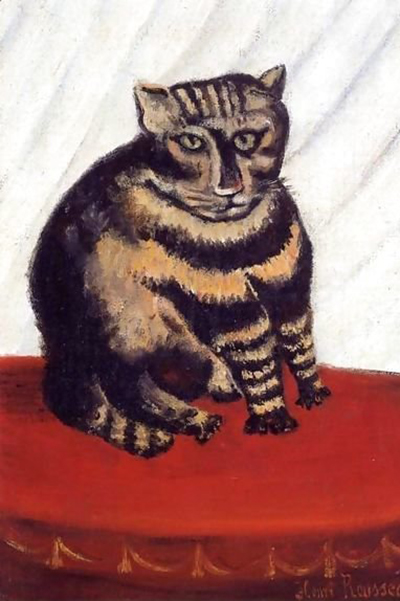
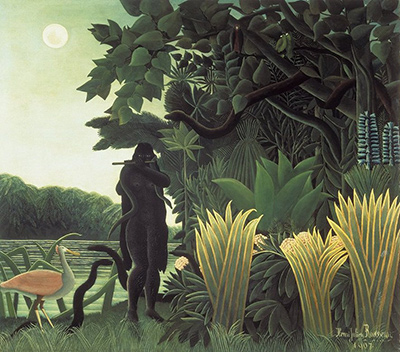
Capturing the essence of Henri Rousseau's dreamlike interiors requires more than just skill; it demands a surrender to the impossible. By treating the window not as a barrier but as a portal, you can transform a mundane room into a sanctuary where nature breathes and magic lurks just beyond the frame. This guide will walk you through the tactile process of creating these ethereal scenes, blending the raw textures of naive art with the structural integrity of a painted window.
Setting the Stage for the Invisible Realm
Before a single brushstroke touches the canvas, the mindset must shift from realism to imagination. In the tradition of the Naïve movement, the goal is not to mimic reality perfectly but to reveal a deeper, often unseen truth. You are about to paint a view that exists only in the mind, a place where the laws of physics bow to the whims of wonder. Gather your materials with care; the texture of your palette knife and the flow of your paints will dictate the atmosphere of the hidden world you are about to create.
Laying the Foundation of Depth
The first step in any illusion is the manipulation of space. To make the window feel like an opening rather than a flat surface, you must establish a clear distinction between the foreground, the interior, and the distant, magical landscape. Begin by blocking in the heavy, warm tones of the room's interior in the shadows. Use thick impasto techniques to build texture, suggesting the rough wood of a floor or the fabric of a curtain that blocks part of the view. This mass of shadow acts as a stage set, pushing the viewer's eye toward the bright, airy mystery that lies beyond the glass pane.
The Magic of Light and Atmosphere
Once the interior is established, the focus shifts entirely to the view outside. This is where the "hidden magical world" comes to life. Avoid realistic rendering of trees or clouds; instead, use simplified shapes and vibrant, saturated colors that defy the dullness of a normal day. The light coming through the window should appear to spill out from the canvas itself, glowing with an inner radiance. You might paint the sky in swirling clouds that look like they are moving, or a forest where the trees seem to lean inward, conspiring with the viewer. The key is to suggest movement and life that a photograph could never capture.
Techniques for Rendering the Ethereal Border
The transition between the solid interior and the fluid exterior is crucial for maintaining the illusion. The frame of the window becomes the boundary between the known and the unknown. You can achieve this by painting the glass itself with a semi-transparent wash of color, allowing the light to bleed through while keeping the shapes slightly blurred.
- Apply a dilute glaze of blue or gray over the "glass" area to simulate reflection and depth.
- Use soft, curved brushstrokes for the foliage outside, contrasting with the stiff, straight lines of the interior architecture.
- Leave small gaps in the paint to mimic the texture of real glass, ensuring the view feels tangible yet distant.
- Add subtle highlights on the "curtains" or blinds to catch the light, reinforcing the idea that something is actively looking out.
Anchoring the Dream in Reality
While the outside world should feel dreamlike, the interior elements must remain grounded to provide a sense of stability. If everything were magical, the viewer would feel disoriented. By including a familiar object, like a simple chair or a stack of books, you create an anchor. The contrast between the rigid, static nature of the room and the dynamic, swirling nature of the view creates a tension that is inherently magical. The viewer knows they are in a real room, but their gaze is compelled to look through the window to the impossible scenery waiting on the other side.
The Final Polish of Wonder
The final touches involve refining the edges and ensuring the colors sing without clashing. In naive art, boldness is essential, but it should be bold with purpose. Check that the light seems to originate from the window and not the canvas. Smooth out any harsh lines where the interior meets the exterior, ensuring the transition feels organic, as if the magic was always there, just waiting for the right angle of the sun to be revealed. Step back and observe; if the viewer feels a tug of curiosity to step through the painted glass, you have successfully captured the spirit of the hidden world.