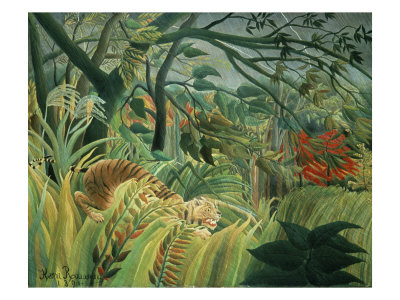
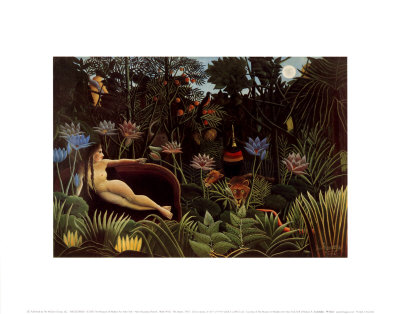
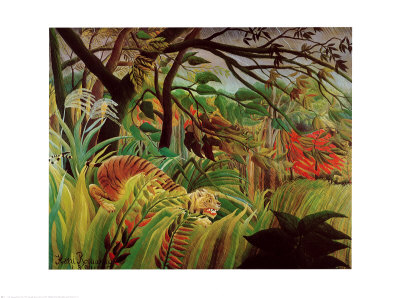
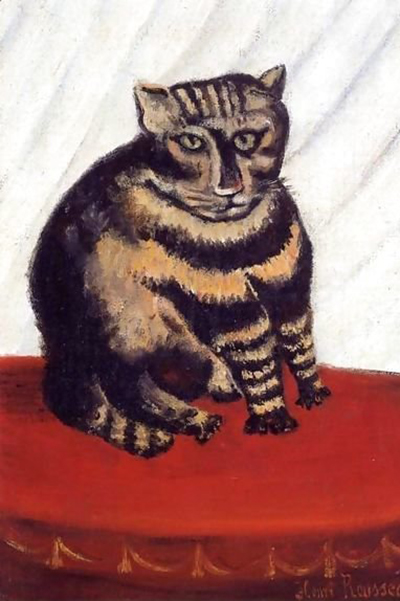
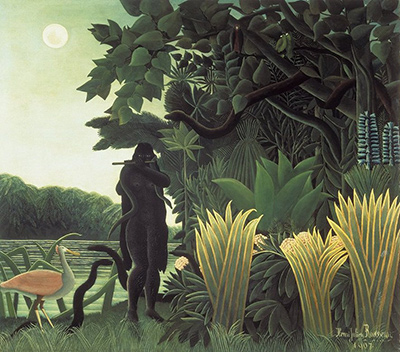
Learning to paint the chaotic power of ocean waves using the distinctive style of Henri Rousseau requires a unique approach that prioritizes imagination over strict photorealism. By studying his bold use of color, his simplified forms, and his dynamic composition, artists can recreate the feeling of a stormy sea crashing against the shore with raw vitality and emotional intensity.
Mastering the Naive Aesthetic
To begin, one must abandon the pursuit of perfect realism often found in academic art. Rousseau's waves do not always obey the laws of physics; instead, they dance across the canvas with a sense of freedom and whimsy. The key is to treat the sea as a landscape of its own, where the water becomes a fluid, living entity rather than a reflection of reality. Use thick, impasto strokes to give the paint substance and weight, allowing the physical texture of the brushwork to mimic the roughness of the surf and the smoothness of the deep. This tactile quality is essential for conveying the energy of the moment before a wave crashes.
Building Dynamic Composition
The arrangement of the waves on the canvas determines the viewer's eye path and the perceived movement of the water. In naive art, lines can be jagged, curved, or even abstracted into geometric shapes to suggest motion. Start by sketching large, sweeping curves that rise from the bottom of the frame, ensuring they curve inward slightly to create a sense of depth and perspective. Avoid flat, horizontal lines that might make the painting look static. Instead, let the waves spiral or tumble, creating a visual rhythm that leads the eye across the composition. The contrast between the towering white peaks and the darker, shadowed troughs is crucial for establishing volume and the force of the impact.
Understanding the Anatomy of the Naive Wave
When breaking down the specific shapes of the waves, it is helpful to observe how Rousseau simplifies the complex forms of the ocean. Instead of trying to capture every bubble or foam pattern, focus on the silhouette and the flow of the water.
- The crest of the wave often resembles a sharp, upward spike or a fan-like shape that explodes outward upon impact.
- The body of the wave is frequently painted with broad, sweeping arcs that may vary in thickness to suggest the varying density of the water.
- The foam and spray at the base of the wave can be represented by short, erratic dashes or a cluster of white highlights that seem to burst from the dark water below.
Color Theory for Impact
Color is the primary driver of emotion in Rousseau's work, and it plays a vital role in depicting the energy of crashing waves. Do not be afraid to use highly saturated colors that pop against the background. The deep blues and purples of the ocean can be juxtaposed with brilliant yellows and oranges in the sky or on the white foam, creating a vibrancy that feels almost electric. For the water itself, consider using a palette of deep indigos mixed with touches of green or violet to suggest depth, while the crashing foam should be rendered in stark, almost blinding whites or pale creams. The interplay between the cool tones of the deep water and the warm highlights of the breaking crest creates a dynamic tension that simulates the force of the collision.
Brushwork and Texture
Finally, the method of application is just as important as the design. Use a palette knife or a stiff-bristled brush to apply thick layers of paint, especially for the foam and the shadows of the waves. This technique, known as impasto, allows the paint to catch the light and adds a three-dimensional quality to the flat surface. When painting the spray and mist, use quick, decisive strokes that blend into the air, suggesting the ephemeral nature of the sea's breath. By combining simplified shapes, vibrant colors, and textured brushwork, you can create a painting that captures the untamed spirit of the ocean, much like the works of the great French naive artist.