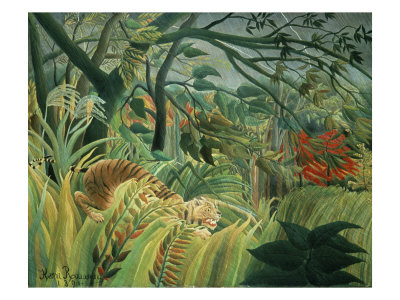
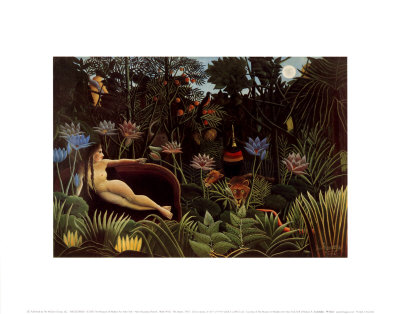
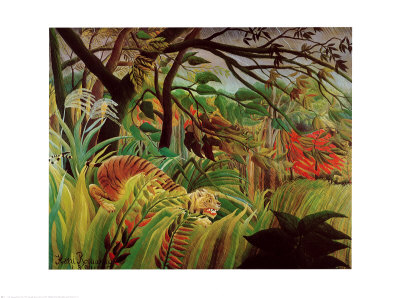
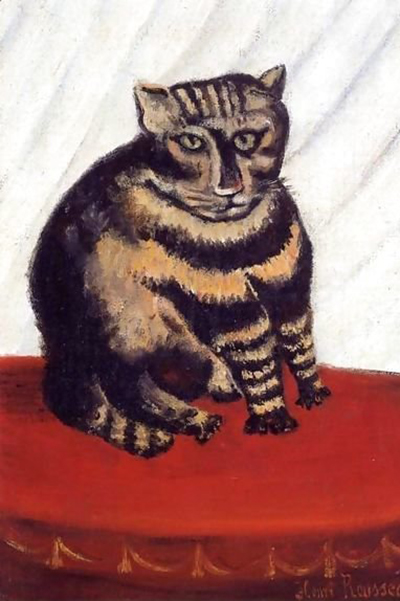
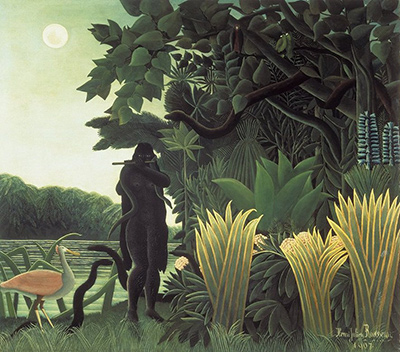
Henri Rousseau, the master of the naive style, taught us that nature is never still, even when we paint it in a moment of quiet observation. By studying his approach to water and light, we can learn to infuse our own naive waterfalls with a sense of kinetic energy that makes the static canvas feel alive. This guide explores how to translate the fluid motion of cascading water into bold, energetic brushstrokes.
The Illusion of Vertical Velocity
To begin, one must abandon the concept of a waterfall as merely a physical object composed of water droplets. Instead, view it as a burst of energy traveling upward against gravity. In naive art, the goal is to convey the feeling of the rush rather than the microscopic physics of the falling stream. Start by sketching a rough, jagged outline for the main drop, ensuring the lines are uneven and unpredictable. A perfectly straight vertical line will look like a statue, not a river. By using short, staccato dashes that seem to be frozen in mid-air, you create a visual rhythm that suggests the water is moving rapidly from top to bottom.
Choosing the Right Palette for Motion
The color scheme plays a crucial role in establishing the energy of the scene. Rousseau often used vibrant, almost unnatural hues to highlight the vitality of the landscape. For a waterfall, consider using a palette dominated by cool blues and whites for the water itself, but mix in touches of electric green or even coral near the rocks where the water crashes. The contrast between the bright water and the darker, earthy tones of the surrounding rocks will make the water appear to glow and move. White highlights are essential; apply them in thick, impasto strokes to catch the light and simulate the spray and foam that accompanies a fast-moving stream.
Techniques for Texturing the Water
Once the composition and color are established, the specific technique of application becomes the primary tool for generating movement. Naive art thrives on the texture of the paint, so do not be afraid to let the brush drag across the canvas. You can achieve the effect of swirling water by using a flat brush loaded with light blue and white paint, swirling it horizontally and vertically, then layering darker blues on top to create depth.
Here are a few practical methods to achieve different textures of water flow:
- Use a dry brush with white paint to create fine, misty sprays that float above the main cascade.
- Apply heavy, thick strokes of blue and green directly onto the canvas to represent the churning, turbulent base of the falls.
- Blend soft, wavy lines of pale yellow or cream near the top of the falls to suggest sunlight hitting the surface before the water drops.
Integrating the Surrounding Environment
A waterfall does not exist in a vacuum; its energy is amplified by how it interacts with its environment. The trees and rocks surrounding the stream must be painted with a sense of tension, as if they are being pushed back by the force of the water. Use darker, more saturated greens for the foliage and rougher, more angular shapes for the rocks. Avoid soft, blending transitions between the background and the foreground; keep the edges sharp and distinct. This separation helps the viewer's eye focus on the water as the active center of the painting.
The Power of Negative Space
Finally, remember that the spaces between the water and the rocks are just as important as the water itself. In naive compositions, large areas of negative space can enhance the sense of openness and the freedom of the water's path. Leave some areas of the canvas unpainted or use a very light wash of sky blue to represent the mist and atmosphere. This breathing room allows the bold, energetic strokes of the waterfall to stand out even more dramatically, creating a composition that feels both dynamic and balanced. By combining these elements, you will create a painting that captures the raw, untamed spirit of nature, much like the works of Henri Rousseau.
Related reading
- The Digital Brush: Reimagining the Dream World of Rousseau
- The Child in the Jungle: Cultivating the Spirit of Naïve Art
- Finding Your Own Wild Garden: A Guide to Choosing Subjects in Naïve Art
- The Artist's Canvas: Unveiling the Essentials of Naïve Creation
- Unlocking the Surreal Garden: A Guide to Finding Historical Naïve Art for Inspiration