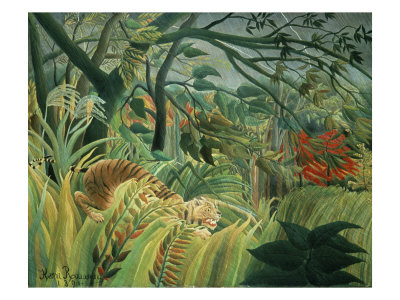
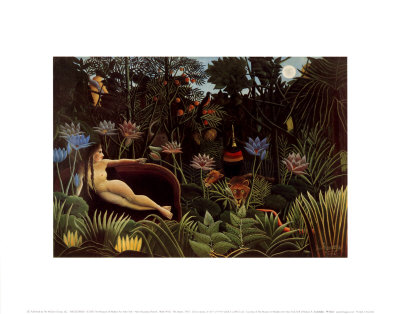
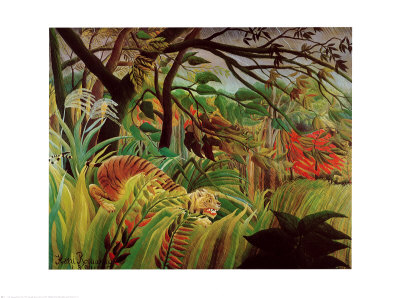
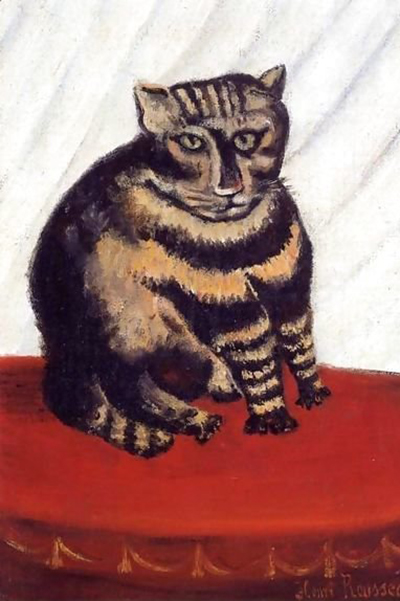
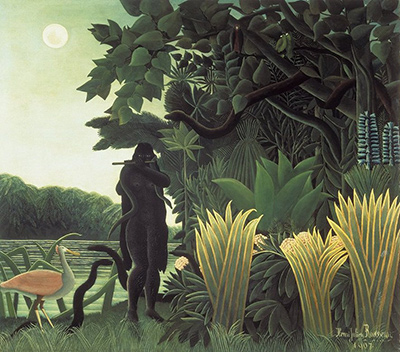
To paint a sun that feels less like a celestial object and more like a warm, glowing coin requires shifting our focus from astronomical accuracy to the tactile sensation of light itself. In the realm of naive art, the goal is not to replicate the physics of the sun but to capture its emotional weight, its golden radiance, and its ability to melt the canvas. By embracing a childlike perspective where the sun is a solid, physical presence rather than a distant point of light, we can achieve that coveted effect of warmth that invites the viewer to reach out and touch the brushstroke.
Establishing a Solid, Two-Dimensional Form
The first step in creating this coin-like sun is to reject the traditional depiction of the sun as a tiny white dot surrounded by rays. Instead, imagine the sun as a heavy, circular disc sitting firmly in the sky, possessing a tangible presence that dominates the composition. It should appear as if it has been cut from a sheet of yellow paper and placed directly onto the canvas, refusing to dissolve into the atmosphere. This approach relies heavily on the principle of naive abstraction, where the artist simplifies complex reality into bold, flat shapes that prioritize visual impact over realistic depth. When painting this form, use a steady hand to create a perfect circle, ensuring that its edges are distinct and unblurred, much like the rim of a physical coin.
Choosing the Right Palette for Heat
Once the shape is established, the challenge lies in selecting the correct colors to convey the sensation of heat. A naive sun rarely consists of a single shade of yellow; rather, it is a complex interplay of warm tones that suggests a source of intense energy. You must mix pigments that range from deep, burnt oranges at the core to vibrant, electric yellows on the surface, perhaps even incorporating hints of red or crimson to simulate the intense heat radiating outward. The goal is to create a gradient that feels hot to the eye, avoiding the flat, pastel yellows that might look cold and distant. By layering these rich, saturated hues, the sun begins to breathe with an inner life, pulsating with the energy of a living ember or a freshly minted gold piece.
Mastering the Texture of the Surface
The texture is where the magic truly happens, transforming a flat circle into something that feels like warm metal or glowing wax. Instead of using smooth, blended gradients found in academic painting, embrace the roughness and imperfection of the naive style. Use thick impasto techniques to build up layers of paint, allowing the brushstrokes to remain visible and the surface to become uneven and tactile. You can simulate the shine of a coin by painting a small, bright white highlight in the upper left or right quadrant, but do not blend it too much. Keep the edges of this highlight sharp and slightly raised, so it catches the imaginary light of the viewer. Additionally, consider adding subtle cracks or fissures in the surface, painted in darker browns or oranges, to give the sun an aged, metallic quality that suggests it has been there for a long time, glowing steadily through the years.
Adding Dynamic Rays and Interaction
While the sun itself is a solid disc, it still needs to interact with the world below to feel fully integrated into the scene. In naive art, these rays are not delicate lines of air but thick, brushstrokes that fan out from the edges of the coin, often breaking the circular form and extending across the horizon. These rays should be painted in lighter, cooler tones of blue or white to contrast with the warmth of the sun, creating a sense of separation between the light source and the landscape. They act as a bridge, connecting the sky to the earth and emphasizing the sun's role as a powerful, dominating force. Ensure that these rays are distinct and separate, avoiding the soft, diffuse glows that can make the sun look ethereal rather than solid.
Final Touches of Atmosphere and Shadow
To complete the illusion, consider how the sun casts a shadow or interacts with the objects on the ground. Even in naive art, the presence of a shadow adds weight and definition to the object, reinforcing its three-dimensional nature. You might paint a dark, elongated shadow stretching across the grass or water, which helps ground the sun and prevents it from looking like it is floating aimlessly. Finally, step back and assess the overall harmony of the piece. Does the sun feel warm? Is it the focal point that draws the eye immediately? If the composition feels unbalanced, adjust the placement of the sun or the intensity of the colors until the image radiates that specific, irresistible warmth that defines the best naive depictions of sunlight.
- Begin by sketching a rough circle to establish the coin-like shape before applying any color.
- Mix your paints on the palette rather than directly on the canvas to ensure consistent saturation.
- Use a palette knife to apply the impasto texture, creating ridges that catch the light.
- Keep the background sky simple and flat so the sun remains the undeniable center of attention.
- Observe the way light hits a real coin to understand the sharpness of the specular highlight.
- Allow the paint to dry completely between layers to preserve the distinct texture of the naive style.