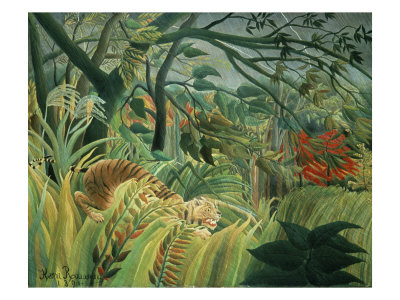
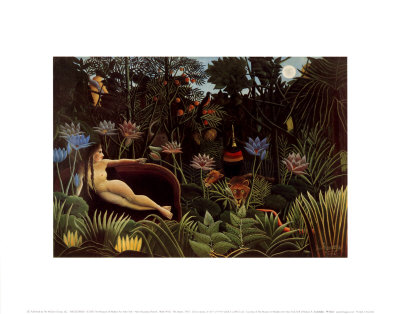
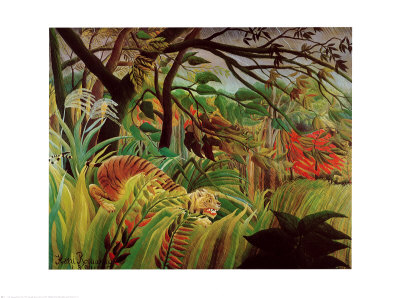
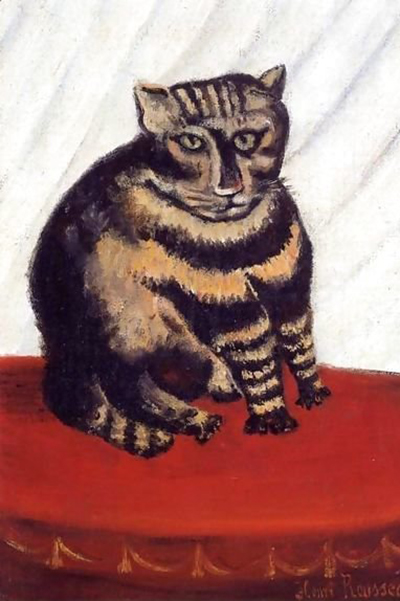
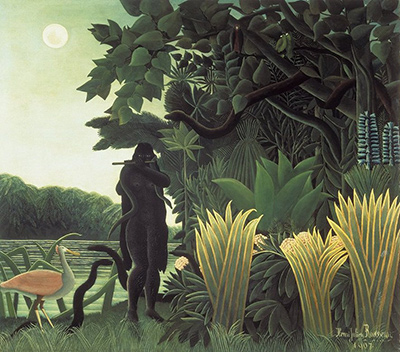
Painting naive spiders that evoke curiosity rather than fear requires shifting the viewer's perspective from the terrifying biology of arachnids to their role as tiny, observant characters in a whimsical world. This approach relies on softening edges, exaggerating cuteness, and embedding the creature within a dreamlike landscape where danger is nonexistent. By embracing the distinct visual language of Henri Rousseau's naive art, we can transform a traditionally ominous subject into something charming and engaging.
Understanding the Naive Aesthetic
The foundation of this style lies in rejecting realistic anatomical precision in favor of emotional expression and visual rhythm. In naive art, the goal is not to document a spider exactly as it appears under a microscope, but to capture its essence through a childlike or folkloric lens. This means prioritizing bright, flat colors over subtle gradients, and focusing on the overall composition rather than intricate detail. The artist must decide which features to emphasize and which to ignore to create a specific mood. For a spider to appear curious, the focus should shift from its eight legs and venomous potential to its large, expressive eyes and delicate posture. The movement should feel slow and deliberate, as if the creature is pausing to admire a flower or inspecting a dewdrop, rather than hunting for prey with aggressive intent.
Softening the Physical Form
One of the most critical steps in making a spider look approachable is altering its physical proportions and textures. Real spiders are often depicted with sharp angles, shiny exoskeletons, and menacing spindles. To counteract this, the naive artist should round off the legs and body, giving them a soft, almost plush appearance. Instead of rendering the legs as thin, rigid lines, imagine them as curved branches or gentle ribbons. The color palette should be muted or pastel; think of soft blues, creamy yellows, or dusty pinks rather than the deep blacks and vibrant reds often associated with arachnids. This technique removes the visual cues that trigger instinctual fear responses. Furthermore, the background should play a supporting role, often utilizing heavy, dark outlines typical of Rousseau's style to frame the spider, but keeping the spider itself unshaded and luminous. This contrast makes the subject pop while maintaining a sense of safety and distance from the viewer.
Composition and Body Language
The way the spider is positioned within the canvas is just as important as its appearance. A curious spider will never be shown looming over a victim or gripping a fly in mid-air. Instead, place the spider in a position of still observation. Perhaps it sits atop a large leaf, resting a front leg on a blooming flower, or hangs upside down from a vine, peering down at the viewer with wide, innocent eyes. The body language should suggest wonder rather than threat. Draw the spider reaching out gently, as if it is about to touch something magical, or curling its body protectively around a small insect that it is not harming. The key is to imply a story where the spider is a gentle guardian or a playful explorer. By focusing on the interaction between the spider and its environment, the narrative shifts from predation to discovery. The legs should appear relaxed, not tense, and the abdomen should look rounded and inviting rather than segmented and hard.
Tools and Techniques for Execution
Creating this specific look requires a toolkit that emphasizes bold strokes and limited palettes. The artist should avoid fine-tipped brushes for the legs, opting instead for wider brushes to create soft, blended textures that suggest fuzziness or silkiness. Thick, impasto paint application can work well to give the body a tactile quality that feels soft to the touch. When mixing colors, avoid pure black for the outlines; instead, use deep greens or purples to create the heavy borders that define naive scenes. The use of white highlights on the eyes is crucial for conveying the sense of curiosity and life. These highlights should be large and distinct, making the eyes appear large and glassy, almost human in their expressiveness. The artist must resist the urge to add too much detail, as the power of naive art comes from its simplicity and lack of pretension.
Bringing the Creature to Life
Ultimately, the success of painting a curious naive spider depends on the artist's ability to suspend disbelief and invite the viewer into the imagination. The spider becomes a character in a dream, a silent observer of a world where everything is possible. By combining rounded forms, soft colors, and an attitude of gentle inquisitiveness, the artist can successfully navigate the delicate balance between realism and fantasy. The result is an image that stops the viewer in their tracks not with a startle response, but with a smile of recognition for the strange and wonderful beauty found in the smallest creatures of the natural world. This approach honors the spirit of Henri Rousseau, capturing the magic of the unseen with a brush that strokes the soul rather than the eye.
To truly master this subject, consider the following practical guidelines that reinforce the theme of gentle observation:
- Keep the spider's legs slightly detached from the ground to suggest hovering or floating in a dream state.
- Use oversized foliage to provide a safe, sheltered environment for the arachnid.
- Ensure the spider's eyes reflect light in a way that mimics human eyes, not insect compound eyes.
- Limit the background to two or three dominant colors to maintain visual clarity and focus.
- Avoid any signs of motion blur, ensuring the creature appears frozen in a moment of pure wonder.