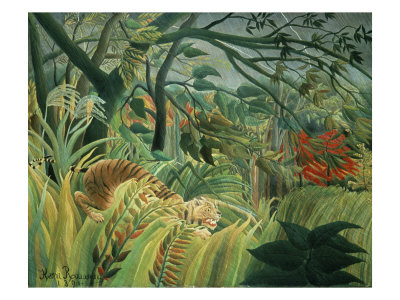
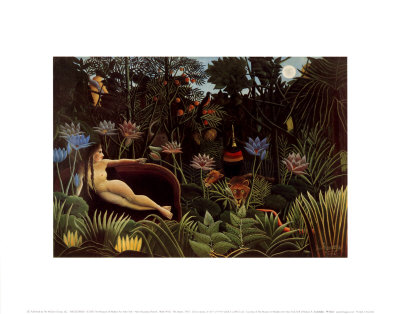
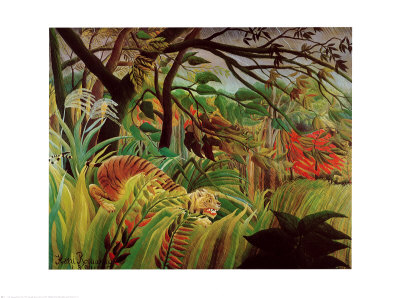
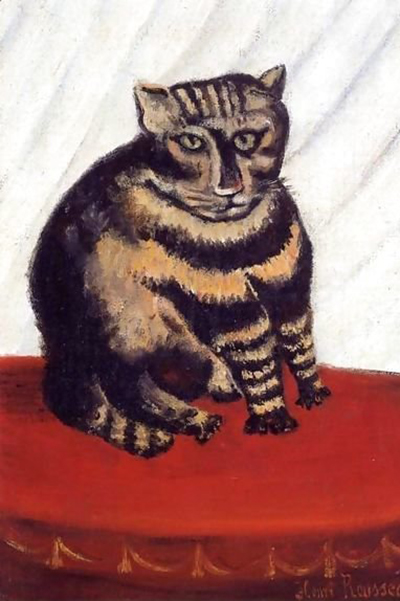
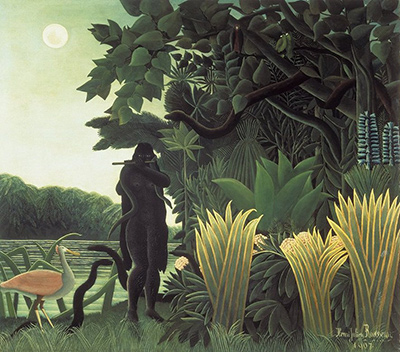
Transforming the often fearsome image of a snake into a charming, friendly companion is a delightful challenge for any artist inspired by the spirit of Henri Rousseau. By stripping away realistic threats and embracing the bold, unapologetic strokes of naive style, one can create creatures that seem to wink at the viewer with innocent curiosity rather than deadly intent. This guide explores the specific techniques and mindset shifts required to render these ancient reptiles as delightful, almost cartoonish friends.
Understanding the Naïve Philosophy
To begin, one must fully embrace the essence of naive art, which rejects strict realism in favor of emotional truth and childlike wonder. Unlike traditional academic painting, where anatomical precision and lighting accuracy are paramount, naïve art thrives on the artist's personal perception and imagination. When painting a snake, do not attempt to replicate a biological textbook; instead, focus on the story the snake could tell. Is it a playful guardian? A mischievous pet? A magical creature from a dream? By deciding on a friendly persona first, your brushstrokes will naturally shift from sharp and threatening to soft and inviting. Think of the whimsical forest scenes often found in the works of artists like Rousseau, where nature is not a cold landscape but a playground full of surprises.
Simplifying Anatomy with Confidence
The most common reason snakes appear threatening in naive art is an overly complex or anatomically correct rendering that mimics real danger. To achieve a friendly look, simplify the form significantly. Avoid drawing every single scale, which can look like jagged teeth or rough textures. Instead, group the scales into broad, rhythmic patches of color. Use short, confident dashes rather than fine, detailed lines to define the body. The head should be rounded rather than triangular and pointy, lacking the predatory fang-like teeth that usually signal danger. A wide, slightly tilted snout often looks more approachable. Remember, the goal is not to be a zoologist, but to be a storyteller creating a character that feels safe to touch.
Mastering the Color Palette of Innocence
Color plays a crucial role in determining whether a snake looks like a venomous viper or a cuddly companion. In nature, snakes often rely on camouflage or warning patterns, but in naïve art, we have the freedom to use colors purely for mood. Steer clear of the aggressive, neon oranges and deep, blood-reds associated with vipers. Instead, experiment with pastel hues, soft greens, creamy yellows, or even whimsical combinations like blue and pink. A snake painted in a bright, cheerful sky-blue will naturally feel non-threatening. Furthermore, avoid using black outlines to define every edge, as this can create a harsh, cartoonish border that feels rigid. Use softer, blended colors or leave the edges open to suggest movement and lightness.
Techniques for Expressive Eyes
The eyes of a painted snake are the most powerful tool for conveying emotion, and they hold the key to making the creature look friendly. In realistic art, eyes are often dark, slitted, and focused on a specific target, creating a sense of hunting. In naïve art, the eyes should be large, round, and filled with a bright, reflective highlight that looks like a glimmer of starlight. Position the eyes slightly higher on the head to mimic a cute, bird-like profile rather than a snake's forward gaze. You can paint the iris in a contrasting but warm color, such as a soft brown or pale blue, rather than a piercing black. If you are including a tongue flick, draw it in a light, hesitant manner, as if the snake is curious about the air rather than sniffing for prey. These small details transform the animal from a predator into a charming, inquisitive friend.
Embracing Movement and Flow
Finally, convey a sense of gentle movement rather than sudden, jerky action. A threatening snake often appears coiled tightly or lunging forward with rigid segments. To make a snake look friendly and playful, elongate its body and suggest a slow, drifting motion. The curves should be organic and wavy, like a ribbon floating in the breeze. Use loose, flowing brushstrokes that imply the snake is gliding through the air or water with ease. Adding a few scattered leaves or flowers nearby can also help contextualize the snake in a peaceful environment. The composition should feel balanced and harmonious, avoiding the chaotic energy of a predator striking. By focusing on the harmony of the scene and the gentle grace of the snake, you will create a painting that invites the viewer to smile rather than recoil.
To truly master this style, consider adopting the following approach during your creative process:
- Sketch your snake using light, faint lines that do not yet define the final form.
- Select your primary color palette before beginning any detailed brushwork.
- Apply thick, textured paint to create a tactile, three-dimensional quality to the scales.
- Allow your brush to move freely, accepting "mistakes" as part of the artistic charm.
- Step back frequently to assess the emotional impact rather than just the anatomical accuracy.
- Introduce background elements that interact warmly with the snake, such as a blooming flower or a bird.
- Sign your work with a flourish that matches the playful tone of the subject matter.
By following these steps and maintaining a mindset of playful observation, you can capture the elusive spirit of the gentle serpent, honoring the legacy of Rousseau while creating your own unique interpretation of the friendly beast.