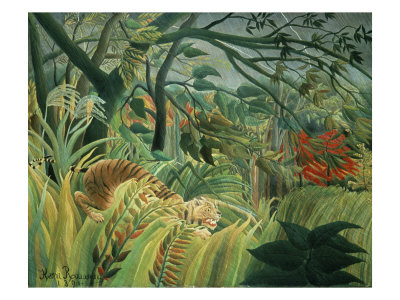
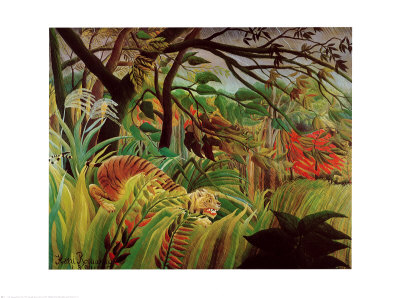
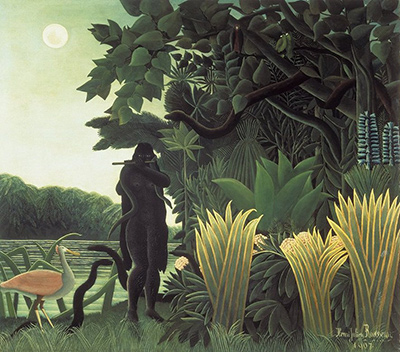
To paint raindrops that feel heavy and realistic yet retain the unique, dreamlike quality of naive art requires a specific approach that bridges the gap between observation and imagination. By abandoning strict realism for a more emotional interpretation, the artist can create water droplets that seem to press against the surface with tangible force while still appearing slightly suspended in a surreal world. This technique transforms simple precipitation into a central character of the composition, grounding the viewer in a moment of heavy, quiet atmosphere.
The Physics of Weight in a Dream State
The first step in achieving this effect is to reconsider how gravity functions in your mind's eye. In a naive style, rules of physics are often bent to serve the mood of the piece rather than strict accuracy. When painting a drop that should feel heavy, do not try to make it look like a perfect sphere floating in mid-air. Instead, focus on the tension between the drop's volume and the surface it rests upon. The drop should appear to be leaning heavily into the object, perhaps distorting the leaf or the window pane it touches. This distortion is key; it suggests mass and pressure, making the water feel like liquid stone rather than fluid vapor.
Understanding Surface Interaction
The relationship between the raindrop and the texture of the canvas or paper is crucial for conveying weight. If you are working on rough paper, the texture itself can help anchor the drop, but the brushwork must still suggest a physical presence. The edge of the drop where it meets the object should not be a sharp, clean line. Instead, use soft, blended strokes that merge the water with the surface, implying that the drop is merging with the world rather than just sitting on top. This blurring creates a sense of depth and immersion, making the viewer feel as though they are right there in the scene, sharing the weight of the falling water.
Mastering the Drop's Shape and Shadow
Once you have established the general interaction, you must refine the shape and the shadow to complete the illusion of heaviness. A naive raindrop is rarely a perfect circle; it often takes on an irregular form, elongated by gravity or flattened by the surface below. To enhance the feeling of weight, pay close attention to the shadow cast by the drop. In naive art, shadows do not always follow the laws of light and physics strictly. Instead, make the shadow deep, dark, and dense, extending slightly beyond what strict geometry would dictate. This exaggerated shadow grounds the drop in the composition, pulling it down and preventing it from feeling too light or airy. The contrast between the bright, shimmering highlight on top of the drop and the heavy, dark shadow at the bottom creates a three-dimensional effect that is both realistic and oddly dreamlike.
Tools and Techniques for Heavy Rain
Choosing the right tools can significantly influence the final texture and weight of your raindrops. While brushes are essential, the way you apply paint is just as important. Thick, opaque paints like heavy body acrylics or gouache can be used to create the solid, dense appearance of heavy rain. However, the technique of application matters more than the medium itself. Using a dry brush for the highlights and a wet brush for the shadows can create a dynamic range that mimics the varying density of water.
Here is a simple guide to applying these techniques effectively:
- Use a stiff, flat brush to lay down the dark shadows, ensuring the paint is thick enough to hold its shape without dripping.
- Apply quick, flicking strokes for the highlights to suggest the reflection of light, but keep them small to avoid making the drop look too delicate.
- Allow the paint to dry slightly between layers if you are building up the shadow, as this helps achieve a more solid, heavy texture.
- Blend the edges of the shadow gently into the background to create a sense of atmosphere and depth.
- Finally, add a small, sharp dot of white or light yellow at the very top of the drop to catch the light, emphasizing its roundness and weight.
By following these steps, you can create raindrops that seem to press down on the canvas with the force of a real storm, yet retain the innocent, imaginative spirit of naive art. The result is a painting that feels both grounded in reality and lifted out of it, capturing a unique moment of heavy, beautiful weather.