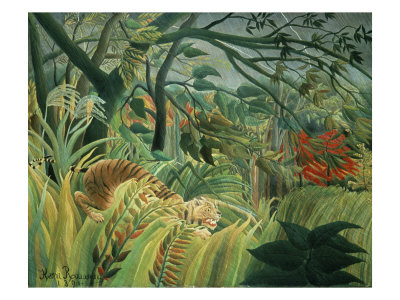
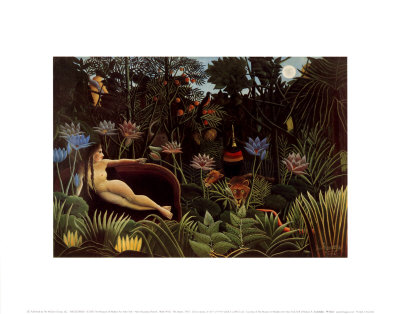
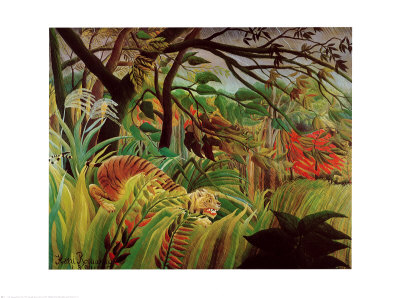
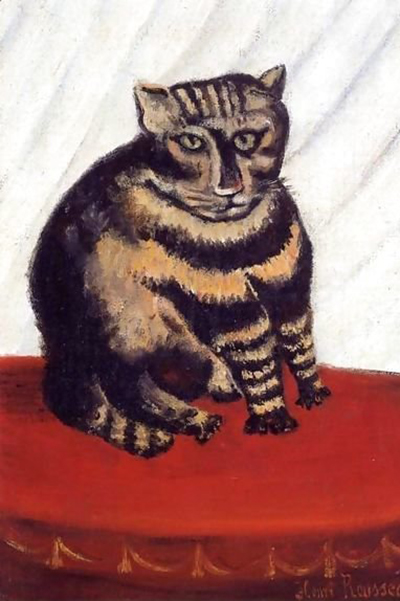
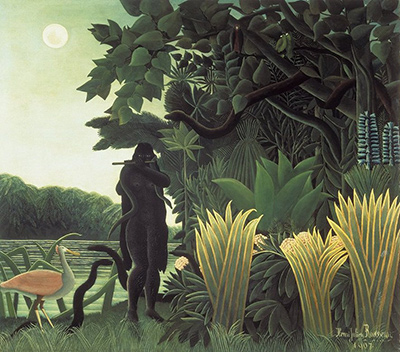
Painting a naive rainbow over a mundane cityscape is an exercise in transforming the ordinary into the extraordinary, a technique that honors the spirit of artists like Henri Rousseau who found magic in everyday reality. This approach requires less about photographic realism and more about the emotional resonance of light and color, inviting the viewer to see the hidden vibrancy in concrete and steel. By blending bold, unmixed hues with simplified forms, you can create a scene that feels both childlike and deeply atmospheric.
The Philosophy of Naive Color
To begin this journey, one must abandon the rigid rules of traditional color mixing that often dictate how rainbows should look in academic painting. In the naive style, a rainbow is not a spectral prism of precise physics but a manifestation of pure joy and wonder. The colors should be pure, flat, and intense, often placed side-by-side without the delicate gradients found in nature. Instead of blending red into orange into yellow, the painter might place a vivid, electric orange directly against a blazing magenta, creating a new, electric energy on the canvas. This "unmixed" quality is what gives the work its distinctive charm, allowing the colors to breathe and interact in a way that feels dreamlike rather than scientific. When painting a city skyline, imagine the rainbows hovering just above the rooftops, acting as a surreal canopy that transforms the gray atmosphere into a celebration of light.
Translating the City into Simple Shapes
The skyline itself must be treated with a simplified geometry that emphasizes the overall impression over specific architectural details. Do not attempt to render every window or brick; instead, use broad, flat shapes to suggest the buildings. Think of skyscrapers as tall, solid blocks of color or texture, perhaps using muted grays, soft blues, or warm ochres to represent the urban environment. These structures should serve as a stable foundation upon which the chaotic, beautiful rainbow is projected. The contrast between the rigid, geometric nature of the city and the fluid, curving lines of the rainbow creates a dynamic tension that is central to the naive aesthetic. The buildings do not need to look exactly like they do in reality; they need to feel substantial and solid enough to support the floating, airy quality of the sky above them.
Mastering the Arc of the Rainbow
The most critical aspect of this composition is the drawing of the rainbow itself. Unlike the smooth, layered arcs of a realistic depiction, a naive rainbow is often a single, thick band of color or a series of distinct, separated bands that may overlap or merge in surprising ways. The curve should be gentle and sweeping, often appearing to float effortlessly above the highest points of the buildings. It is important to remember that in this style, the rainbow does not necessarily follow the exact laws of refraction; it can appear thicker, brighter, or even have straight segments that bend at odd angles. Use thick brushstrokes to define the edges, ensuring that the colors remain distinct and vibrant. You might even consider adding a few stray raindrops or clouds that are painted with the same flat, naive technique, ensuring they do not break the illusion of the dream-like state. The rainbow should feel like an extension of the artist's own feeling of happiness or awe, rather than a natural phenomenon observed from a distance.
Layering Light and Atmosphere
Once the basic shapes and the rainbow are established, it is time to add the atmosphere that ties the scene together. In naive art, the background sky is rarely left blank or painted with subtle atmospheric perspective. Instead, it is often filled with a wash of color that complements the rainbow, perhaps a soft lavender, a pale yellow, or a deep indigo, depending on the time of day you wish to convey. This background color acts as a canvas that allows the rainbow to pop, making it the undeniable focal point of the painting. You can suggest the presence of a setting sun or a moon by adding a single, bright orb in the distance, leaving it as a simple white or yellow circle without detailed clouds. This simplicity keeps the focus on the relationship between the city and the sky. The goal is to create a sense of depth without using complex shading techniques; the depth comes from the juxtaposition of the dark, solid buildings below and the bright, floating colors above.
A Practical Checklist for Execution
To ensure your final piece captures the essence of a naive cityscape with a rainbow, consider following these practical steps during your painting process:
- Begin with a rough sketch of the skyline using light lines, keeping the buildings simple and blocky in form.
- Paint the background sky with a flat, solid color that sets the mood, avoiding any detailed cloud formations.
- Draw the rainbow as a thick, unblended arc using pure, vibrant colors, ensuring the edges remain sharp and distinct.
- Apply the building details with flat, textured brushstrokes, leaving no smooth gradients or realistic reflections.
- Step back frequently to check the balance of color and ensure the rainbow feels like it is glowing against the city backdrop.
By adhering to these principles, you create a painting that transcends the mundane. The result is a work that invites the viewer into a world where the city is not just a place to live, but a canvas for endless, colorful dreams. The naive style allows you to express a specific kind of joy and optimism that is difficult to achieve with realistic techniques, making the ordinary skyline a testament to the power of imagination and the enduring magic of light.