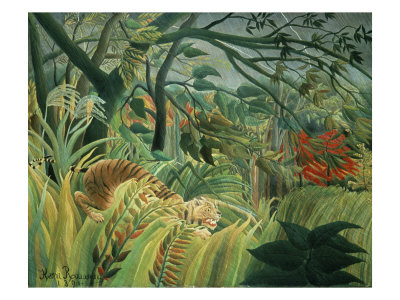
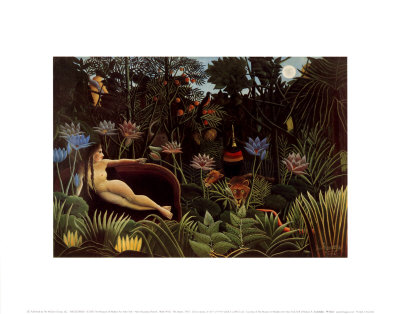
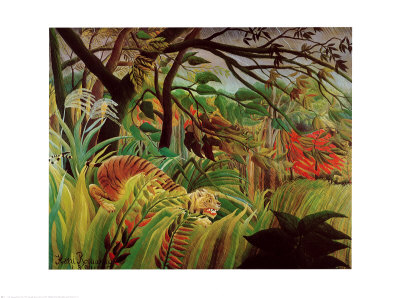
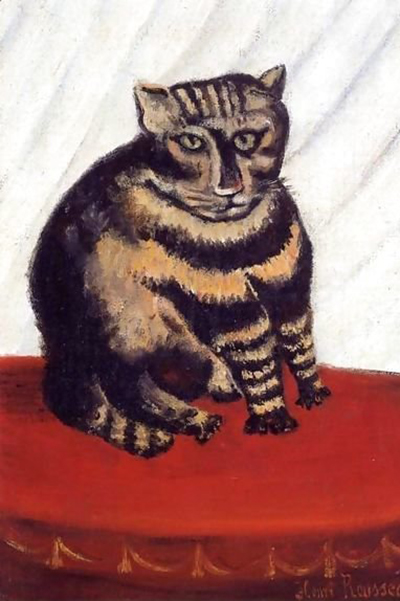
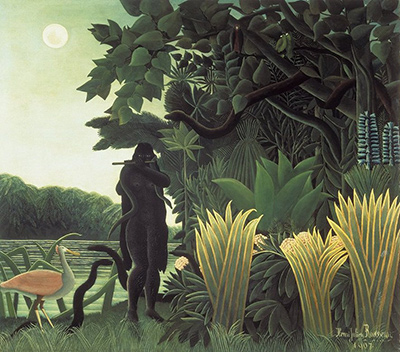
Immerse yourself in the vibrant, dreamlike world of Henri Rousseau, where the night forest comes alive with a surreal energy that defies reality. By learning to paint naive mushrooms that glow with an inner light against a deep, velvety darkness, you can capture the same whimsical magic that has captivated viewers for over a century. This guide will lead you through the techniques needed to transform ordinary night scenes into enchanting portals of color.
Mastering the Deep, Lush Background
The foundation of any magical night scene lies in how you establish the darkness without making it flat or lifeless. Instead of using pure black, which can feel harsh, aim for a deep, rich blue-black or a very dark indigo that suggests the weight of the night sky. Think of the canvas as a stage where the spotlight is yet to arrive. Layer your background with soft, blended strokes of midnight tones, leaving small patches of lighter shadows to imply the texture of dense undergrowth. This approach creates a sense of depth, making the viewer feel as though they are peering into a secret, quiet forest floor. The darkness should not swallow the image; rather, it should act as a curtain that frames the subjects waiting to be revealed.
The Secret of Inner Glow
Once your dark stage is set, the true magic happens when you introduce the mushrooms. The key to making them appear vibrant and magical in the dark is the technique of the "inner glow." This is not about adding a bright white light source from above, but rather suggesting that the mushrooms themselves are emitting their own ethereal radiance. Start by blocking in your mushroom shapes with semi-transparent layers of your chosen vibrant colors. As you work, remember that in naive art, the logic of light often bends to serve the emotion of the piece. Use a mixture of bright greens, electric blues, and luminous purples to fill the centers of the caps. Do not paint the highlights with pure white; instead, use a bright, slightly translucent wash of your background color or a bright yellow-green to create a halo effect around the edges of the caps. This separation between the dark background and the glowing form creates the illusion that the mushrooms are floating or breathing light into the void.
Selecting Your Vivid Palette
To achieve the striking contrast required for this style, you must choose colors with high saturation and intensity. Avoid muddy or dull tones that will blend into your dark background and lose their impact. Focus on "vibrant" hues that scream with energy: neon lime greens, fiery oranges, and deep, saturated magentas. These colors should feel electric, as if they are drawing power from the moon or the magic of the forest spirits. When mixing your paints, try to keep the pigments pure and avoid over-blending them with gray or brown until the very end, if at all. The goal is to make the colors pop against the darkness, creating a visual rhythm that guides the eye across the canvas.
Layering for Texture and Depth
Naive art thrives on texture, even in the most surreal compositions. To give your mushrooms a tangible, magical presence, you need to build them up in layers. Begin with a mid-tone layer to establish the shape, then gradually add more opaque, saturated layers to create volume. Pay attention to the shapes of the stems; in a naive style, they can be slightly irregular, organic, and almost cartoonish, which adds to the charm. Use a palette knife for some of the background areas to create a rough, impressionistic texture that contrasts beautifully with the smoother, glowing surfaces of the mushrooms. This textural contrast enhances the feeling of the forest floor being both wild and mysterious.
Tools for Ethereal Effects
Finally, your choice of tools will significantly influence the magical quality of your work. A soft, round brush is essential for blending the glowing centers of the mushrooms without creating harsh lines. For the stems and the darker undergrowth, a flatter brush or even a brush loaded with a mix of water and paint can create sweeping, gestural marks. Consider using a dry brush technique for the very deepest shadows in the background; by loading your brush with very little paint and dragging it lightly across the canvas, you can lift away some of the surface texture to create a sense of depth and airiness. This subtle manipulation of light and texture is what separates a simple painting from a truly enchanting, Rousseau-esque masterpiece.
Here is a checklist of essential steps to ensure your final composition feels complete and cohesive:
- Sketch your composition lightly before applying the first layer of dark wash.
- Mix your primary glowing colors on a separate palette plate to ensure freshness.
- Apply the "inner glow" using a damp brush to keep the pigment soft and blended.
- Allow each layer of saturation to dry completely before adding the next translucent wash.
- Review your piece from a distance to ensure the contrast between dark and light remains balanced.
- Use a fine liner pen only for tiny details, ensuring it does not overpower the soft brushwork.
- Step back frequently to judge the overall harmony of your magical forest scene.
By following these principles, you will be able to replicate the timeless allure of Rousseau's night paintings, creating your own unique version of the enchanted forest floor where mushrooms dance with life and light.