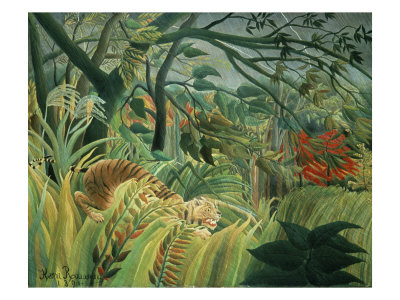
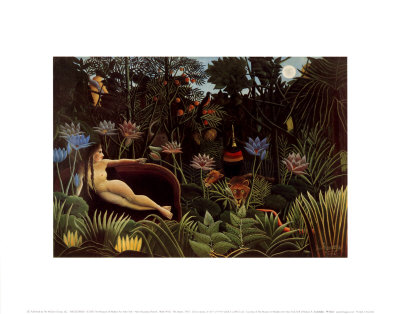
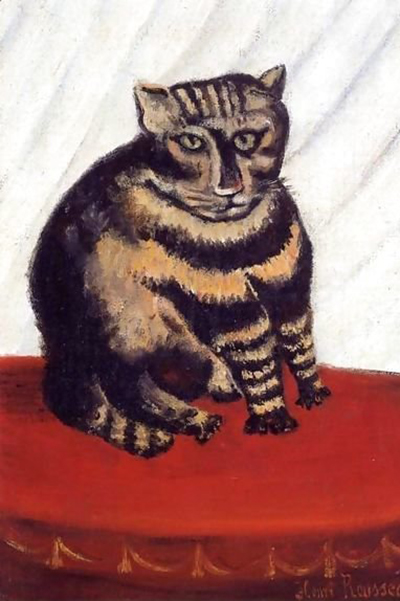
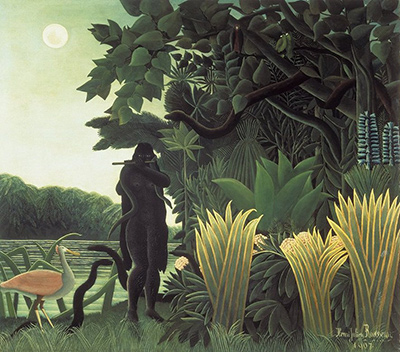
The dreamlike quality of Henri Rousseau's work invites us to explore the boundary between the visible world and the spirit realm. To paint a ghost that feels suspended just above the floor is to capture a specific tension between gravity and memory, requiring a delicate balance of light and form that defies strict realism. This technique allows the viewer to feel the cool air of the spectral presence hovering silently within the room.
Mastering the Illusion of Suspension
Creating the effect of a ghost hovering above the ground requires a fundamental shift in how we construct the floor and the figure itself. Instead of anchoring the feet directly onto the surface, we must introduce a layer of negative space that suggests the air the spirit is pushing against. This space acts as a visual buffer, preventing the figure from appearing to walk or stand firmly. The key lies in the transparency of the shadow; a solid black shadow would ground the figure too heavily, while a faint, translucent haze allows the bottom of the garment to seem to dissolve into the air.
Defining the Form Without Anchors
To achieve this floating appearance, one must avoid drawing the feet or legs with the same solidity as the rest of the body. The lower portion of the clothing, particularly the hem of the dress or the ends of the trousers, should be rendered with soft, blurred edges that merge into the floor plane. This technique mimics the way light refracts around a semi-transparent object or the way a spirit's form might shimmer in a draft. If using digital media, you might employ a layering strategy where the bottom layers are set to a low opacity, allowing the background to show through subtly at the feet.
The Power of Light and Atmosphere
Lighting plays a crucial role in convincing the eye that the ghost is not touching the floor. A strong, directional light source, such as a moonbeam or a window, can illuminate the underside of the floating figure, casting a delicate, upward-pointing glow rather than a downward shadow. This upward illumination suggests that the spirit is illuminated from within or by a force separate from the room's gravity. The surrounding air should also be depicted with a slight mist or dust motes dancing in the light, reinforcing the idea that the floor beneath is not quite reached, yet the presence is undeniable.
Composition and Negative Space
The arrangement of the composition must support the feeling of suspension. Placing the ghost figure slightly off-center, perhaps near a corner or draped over a piece of furniture, can enhance the sense of drifting. The negative space around the figure, particularly where the feet should be, becomes an active element of the painting, telling the story of what is missing. By ensuring the floor texture remains visible but undisturbed by the ghost's weight, the viewer's imagination fills in the gap, creating a psychological hook that keeps them engaged with the image.
Essential Techniques for Execution
To bring this vision to life on canvas or screen, consider incorporating these specific methods:
- Layering Opacity: Start with a dark value for the shadow, then gently lift the edges to create a gradient that fades into the floor, ensuring no hard line connects the foot to the ground.
- Air Brushing or Dry Brushing: Use a soft brush to apply the lower garment, allowing the bristles to catch only the high points of the fabric, leaving the base to dissolve.
- Atmospheric Perspective: Introduce a hazy quality to the area around the feet, blending the colors of the floor and the ghost slightly to create a sense of distance and etherealness.
- Silhouette Contrast: Ensure the main body of the ghost remains distinct while the lower extremities lose their definition, acting as a visual guide for the eye to travel upward.
By focusing on these elements, you can create a hauntingly beautiful image that captures the transient nature of a spirit, allowing the viewer to feel the quiet weightlessness of a ghost hovering just above the earth.