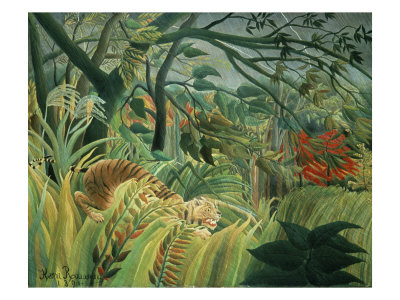
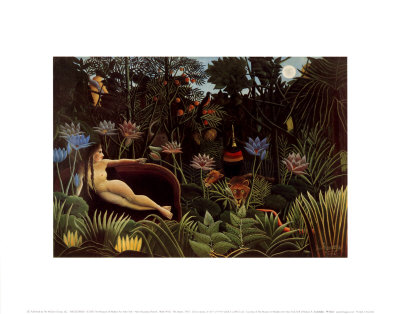
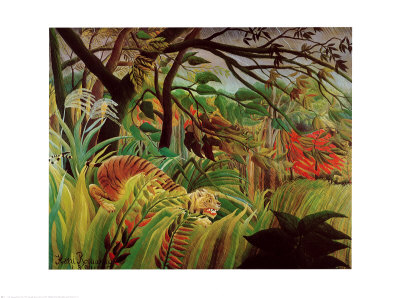
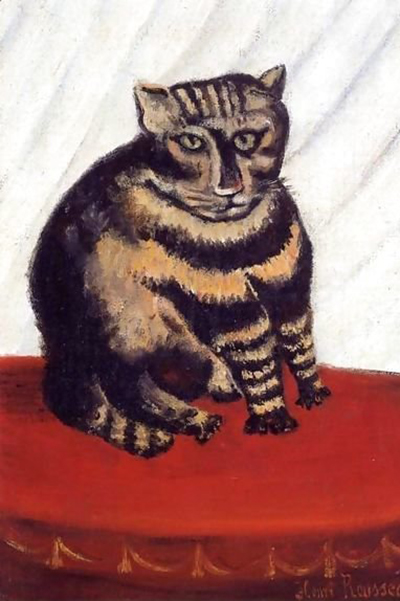
Capturing the ethereal quality of aquatic life in a way that feels less like a static image and more like a memory shared with the viewer is a profound artistic challenge. To achieve this illusion of swimming fish where the water itself seems to vanish, one must move beyond mere anatomical accuracy and embrace the spiritual logic of naive art. This approach invites the audience to complete the picture with their own imagination, creating a dynamic space where the boundary between the canvas and the mind dissolves.
Mastering the Fluid Line
The foundation of any convincing aquatic painting lies in the quality of the line used to define the subject. Unlike traditional realism, which often relies on strict perspective and hidden lines, naive art thrives on the visible and the expressive. When painting a fish that appears to be swimming in the viewer's mind, the outline must be confident yet undulating, suggesting motion rather than fixing the creature in a single moment of time. The artist should avoid rigid, geometric shapes and instead use wavy, organic strokes that mimic the texture of water or the sleekness of scales. This line work acts as a conduit for energy, pulling the eye across the canvas and implying a current that flows regardless of the physical space occupied by the paint.
The Magic of Negative Space
One of the most effective techniques for creating this mental space is the strategic use of negative space. In a naive composition, the background often plays a more active role than the background in a realist painting. Instead of rendering a detailed coral reef or a sea floor with geological precision, the artist should leave large areas of the canvas empty, utilizing a wash of color or a simple gradient to suggest the vastness of the deep blue. By placing the fish centrally or slightly off-center against this open void, the viewer's brain naturally fills in the missing water around them. The fish does not swim in the painting; it swims in the absence of it, creating a psychological gap that the mind rushes to bridge.
Guiding the Eye with Color Theory
Color is the final brushstroke that transforms a flat image into a living scene. To make the fish feel like it is swimming in the viewer's mind, the artist must utilize a palette that vibrates with an inner light. Naive painters often employ bold, pure colors that defy natural laws, using bright oranges against deep indigos or electric blues against stark whites. This luminosity suggests that the fish are not merely reflecting light from the sun, but are themselves glowing entities projected into the consciousness of the observer. The contrast between the vibrant subject and the muted or expansive background enhances this effect, ensuring that the fish remains the focal point while the surrounding space feels infinite.
Practical Steps for Execution
To translate these concepts into a finished piece, follow these practical steps during the painting process:
- Begin with a light underpainting to establish the general composition and the flow of the water, ensuring the lines are loose and suggestive.
- Apply the negative space by blocking out large areas of color or leaving the canvas bare, refusing to over-detail the environment.
- Define the fish with strong, continuous outlines that curve dynamically to imply forward motion and freedom.
- Layer the colors to create a sense of depth, using lighter, cooler tones for the edges of the fish to suggest they are fading into the viewer's perception.
- Step back frequently to assess the balance between the subject and the empty space, adjusting the vibrancy of the colors to ensure the image feels alive.
By adhering to these principles, the artist transcends the limitations of the physical medium, creating a work that breathes and moves within the spirit of the beholder.