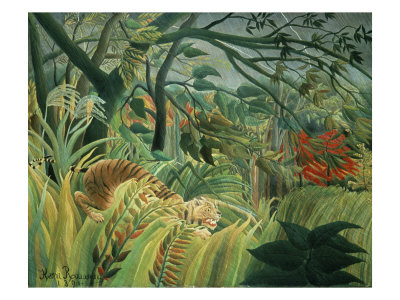
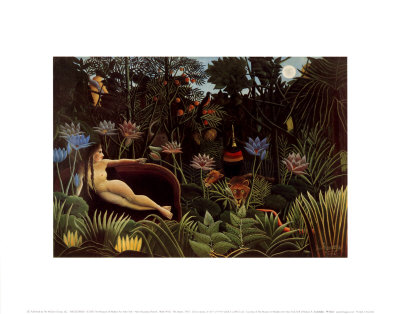
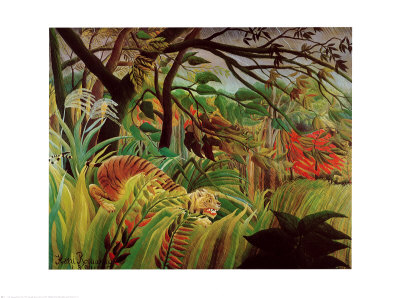
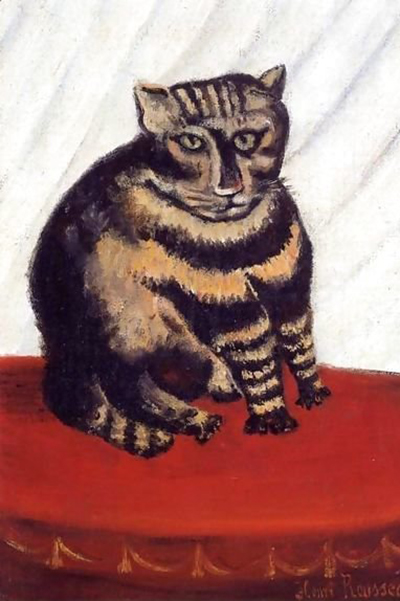
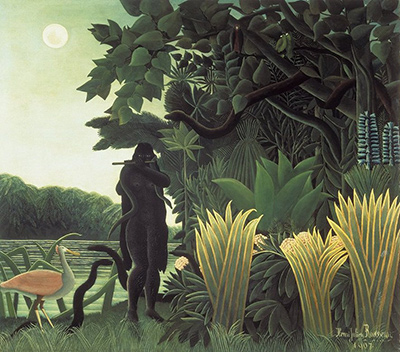
To capture the raw, unfiltered spirit of Henri Rousseau, one must move beyond mere imitation of his style and instead attempt to channel the same innocent, wide-eyed wonder that defined his work. Naive art often relies on a simplified visual language that feels immediate and unpretentious, but the eyes in these paintings are the windows to a soul that believes it can see the impossible world. They are not just anatomical features; they are active participants in the narrative, brimming with a curiosity that defies the logic of the observer. When painting these characters, the goal is to create eyes that seem to blink in slow motion, holding a question in their depths that the viewer has never asked before.
Understanding the Unfiltered View
The primary challenge in rendering naive eyes lies in avoiding the polished realism that typically renders them as lifeless glass marbles. In the world of the naive painter, the eye is not a precise optical instrument but a metaphor for total immersion. These eyes often appear larger than life, taking up a significant portion of the face to emphasize the character's emotional state. To achieve this, one must loosen the rigid constraints of perspective and anatomy. Instead of drawing the iris and pupil with strict geometric precision, focus on the feeling of the gaze. The pupil should often be a soft, dark center surrounded by a vibrant, sometimes oversaturated iris that seems to pulse with energy. The key is to suggest movement; the eyelids should not lie perfectly flat but should curve slightly, as if they are actively framing a view that extends beyond the canvas.
Capturing the Spark of Innocence
The lifeline of these characters is the spark within the eye. In many naive works, the eyes seem to hold a secret or a dream, a place where the ordinary rules of the universe dissolve. This is achieved by playing with highlights and shadows in a way that feels organic rather than calculated. A single, bright highlight can act as the focal point of the entire painting, drawing the viewer's attention immediately to the character's inner world. Furthermore, the whites of the eyes often lack the subtle blue-gray tint found in realistic portraiture; instead, they are often rendered in pure white or a pale, glowing yellow, suggesting an inner light that shines from within. This luminosity creates the impression that the character is not just looking at the viewer, but is being illuminated by a source of pure, untainted wonder.
Defying Anatomical Rules
To truly evoke the spirit of a Rousseau-like gaze, one must be willing to bend the rules of human anatomy. In these paintings, the eyes are often disproportionately large, almost occupying half of the head, which amplifies their expressive power. The spacing between the eyes may be narrower or wider than natural, depending on the emotion being conveyed. For instance, widely spaced eyes can suggest a sense of detachment from reality or a heightened sensitivity to the surroundings. The eyebrows above these eyes are equally important; they are often painted with thick, bold strokes that frame the eyes and add to the overall expression. By manipulating the size and placement of these features, the artist can guide the viewer's emotional response before the eye even sees the detailed iris. The structure becomes secondary to the expression.
Techniques for Vibrant Expression
Once the basic structure is established, the texture and color of the eyes become the vehicle for the character's personality. Naive painters often use thick impasto or visible brushstrokes to create a sense of tactile reality. The edges of the eye are rarely sharp; they are often soft and blended, as if the character is blurring the lines between the seen and the unseen. To create a lively, curious look, consider using contrasting colors for the iris. A deep green or bright blue can make the eye pop against the skin tones, while warm browns or oranges can convey friendliness and warmth. The sclera (the white part of the eye) should remain relatively smooth to contrast with the textured iris, creating a visual rhythm that keeps the eye moving across the face.
Here are a few practical steps to ensure your naive eyes feel alive and engaging:
- Avoid using perfect circles for the iris; instead, use organic, slightly irregular shapes that feel hand-painted and imperfect.
- Add a distinct, bright catchlight in the upper center of the pupil to simulate a light source coming from above, which gives the eye a glossy, wet appearance.
- Use a slightly darker shade for the upper eyelid shadow to create depth, but keep the overall tone light and airy to maintain the naive aesthetic.
- Experiment with placing the pupil off-center within the iris to suggest the character is actively tracking something in the distance.
- Ensure the reflection in the eye matches the surrounding environment in a simplified, stylized manner rather than a hyper-realistic one.
By focusing on the emotional resonance rather than anatomical accuracy, you can create eyes that possess the same haunting, joyful energy found in the masterpieces of the Naive School. These eyes become portals, inviting the viewer to step inside the unique, dreamlike universe of the painted character and share in their boundless curiosity.
Related reading
- The Digital Brush: Reimagining the Dream World of Rousseau
- The Child in the Jungle: Cultivating the Spirit of Naïve Art
- Finding Your Own Wild Garden: A Guide to Choosing Subjects in Naïve Art
- The Artist's Canvas: Unveiling the Essentials of Naïve Creation
- Unlocking the Surreal Garden: A Guide to Finding Historical Naïve Art for Inspiration