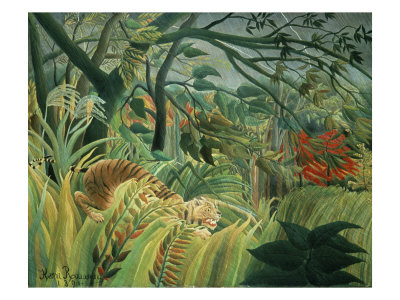
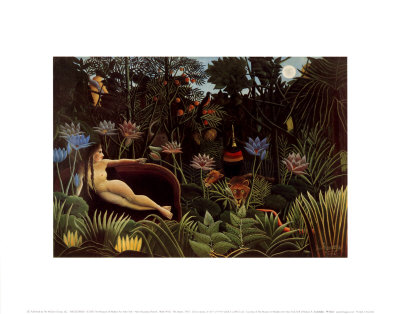
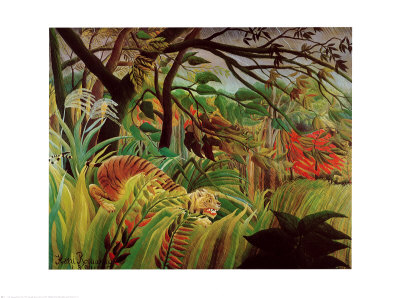
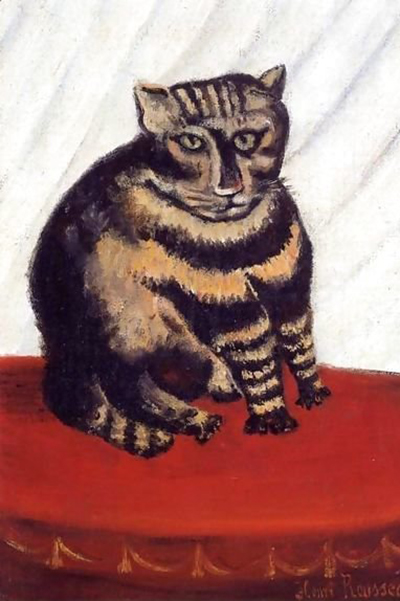
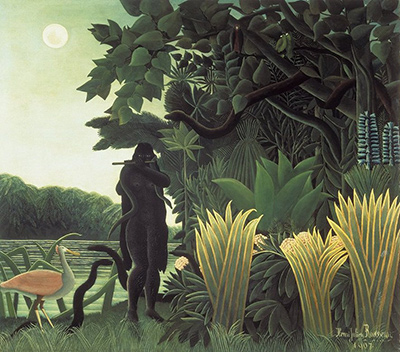
Mastering the art of rendering feline figures that appear to be slinking silently from the depths of darkness requires a unique blend of observation, confidence, and a willingness to embrace the uncanny. The goal is not merely to depict a cat, but to conjure an atmosphere where the animal exists in a liminal space between light and shadow, creating a sense of mystery that feels both familiar and strange. To achieve this, one must understand how naive artists manipulate perspective and light to suggest depth without relying on traditional realism, allowing the viewer's imagination to fill in the missing details of the creature's movement and intent.
The Psychology of the Unseen
Before laying down the first stroke of paint, one must cultivate a mindset that views the canvas as a portal rather than a mirror. In the world of naïve art, the boundary between the subject and the background is often intentionally blurred to enhance the surreal quality of the scene. When painting a cat that seems to be peeking out from shadows, the artist must decide which elements are visible and which are obscured, using the darkness itself as a character in the composition. The shadows should not be empty voids but rather textured masses of ink or muted color that possess weight and volume, pushing the cat forward into the viewer's space. This technique relies on the psychological effect of unknown; our brains are wired to notice movement and potential threats, so a cat emerging from the dark triggers an immediate, instinctual recognition that feels alive and spontaneous.
Mastering the Illusion of Depth
Creating the sense that the cat is emerging from the shadows involves a careful study of value contrast and atmospheric perspective. The background should recede into a darker, more uniform tone, perhaps using deep blues, charcoals, or blacks, while the cat itself retains highlights that catch the light. However, unlike academic realism, the transition between light and dark should be softer and more fluid, often lacking the sharp, geometric edges found in classical painting. The artist must paint the fur as if it is being illuminated from an unseen source behind the cat, casting a glow that defines the form without fully revealing the creature's full body. This selective visibility creates a feeling of immediacy, as if the cat has just stepped out from the corner of the room or a dense thicket.
Techniques for Suggesting Movement
To truly convey the action of a cat peeking out, the depiction of fur and form must suggest rapid, feline motion. Naïve artists often exaggerate the flow of hair to imply speed and grace. Instead of painting individual strands meticulously, one can use broad, sweeping strokes that blur together, mimicking the way fur moves when a cat is about to pounce or slip away. The eyes are crucial in this composition; they should be large, expressive, and slightly tilted, directed toward the viewer with an air of curiosity or caution. By focusing attention on these facial features while keeping the rest of the body partially hidden, the artist guides the eye to the most important part of the image, enhancing the narrative of discovery.
Breaking the Rules of Perspective
A hallmark of naïve style is the freedom to ignore conventional rules of linear perspective. When painting a cat in shadow, one might place the head of the animal much closer to the picture plane than its tail, even if the tail is technically further away in the scene. This disjunction creates a dreamlike quality where space does not function logically, which is essential for conveying the magical realism often found in such works. The shadows themselves can be painted as if they are solid objects, perhaps stretching unnaturally long or pooling on the floor like spilled ink. By treating the darkness as a tangible substance that the cat is navigating, the artist removes the barrier between the painted world and the viewer's reality, making the peeking cat feel like a real presence in the room.
A Guide to Essential Elements
To successfully execute this specific theme, consider incorporating the following visual elements into your practice:
- Use dark, saturated colors for the background to establish a strong contrast with the lighter tones of the cat's fur.
- Apply loose, impressionistic brushstrokes to the fur, avoiding rigid outlines that would make the cat look like a cartoon rather than a living creature.
- Focus the light source on the cat's face and paws, leaving the rest of the body and the surrounding environment in deep shadow.
- Introduce subtle hints of texture in the shadows, such as grass, wood grain, or fabric, to give the darkness a sense of place and materiality.
- Keep the composition simple, ensuring that the cat remains the sole focal point amidst the enveloping darkness.
By embracing these techniques, you can transform a simple depiction of a feline into a captivating study of light, shadow, and the mysterious nature of observation. The resulting painting will not just show a cat, but will invite the viewer to participate in the moment of discovery, feeling the tension and delight of something wonderful emerging from the dark.